How Does Immersive Software Enhance Physical Performance?
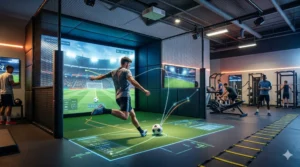
The software powering today’s fitness titles does more than just display graphics. It utilizes real-time data to adjust the difficulty of your workout. For instance, if the system detects your heart rate is below the target zone, the game might introduce more obstacles or faster-paced enemies to naturally increase your exertion.
Key Benefits of Immersive Integration:
- Reduced Perceived Exertion: Users often report feeling less tired because their focus is on the objective, not the muscle fatigue.
- Real-Time Feedback: Precision sensors act as a digital supplier of form correction, ensuring safety.
- Social Connectivity: Many platforms allow you to compete with friends globally, making the company of others a core motivator.
Why Do Traditional Workouts Feel Boring Compared to Interactive Game-Based Fitness?
Traditional workouts often lack stimulation and variety. Users repeat the same routines, which leads to decreased motivation over time. In contrast, immersive fitness systems introduce:
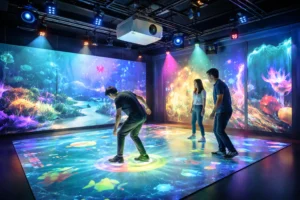
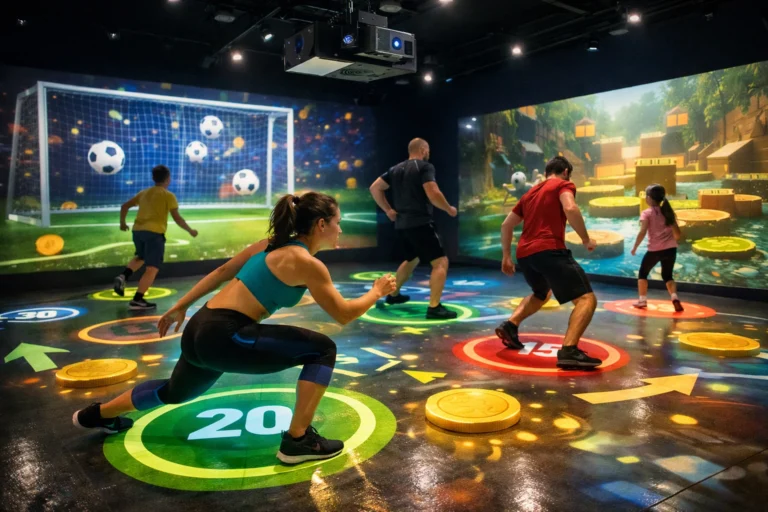
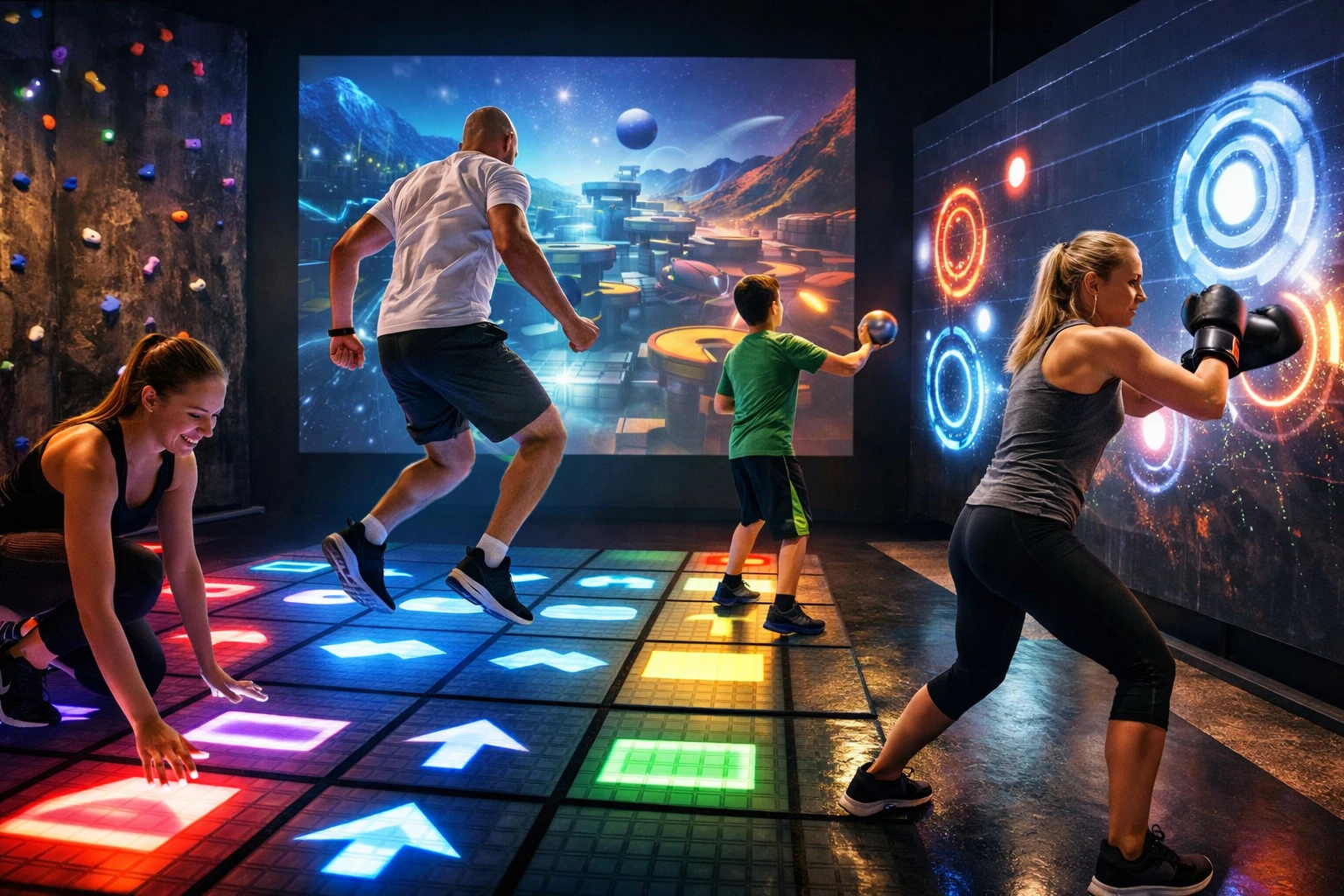
- Dynamic environments that change in real time
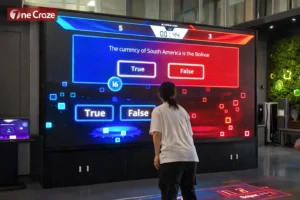
- Competitive gameplay that boosts engagement
- Reward systems that encourage consistency
Moreover, interactive fitness games use real-time feedback software to track performance, making each session measurable and rewarding. This approach transforms fitness into a fun, goal-driven experience.
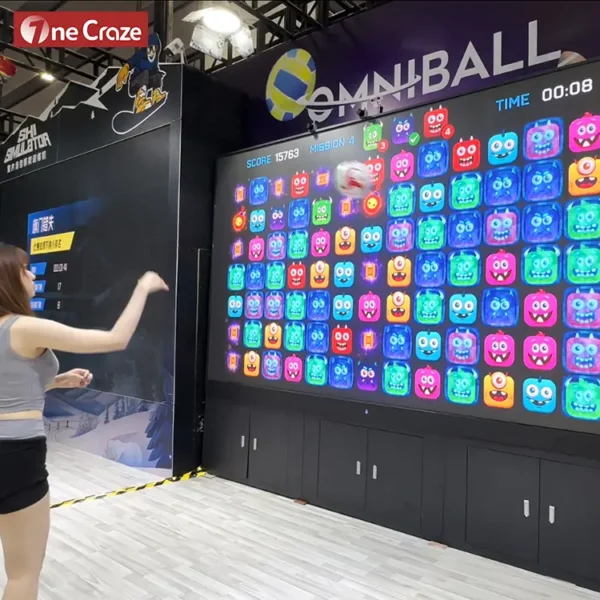
How Do Immersive Digital Physical Game Systems Actually Work?
Core Components of the System
- Motion sensors & cameras: Detect body movement
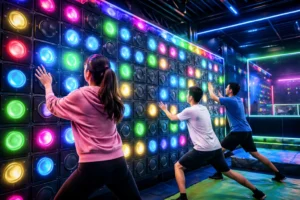
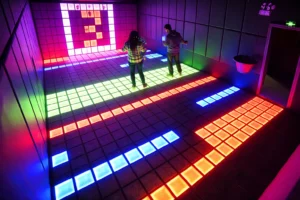
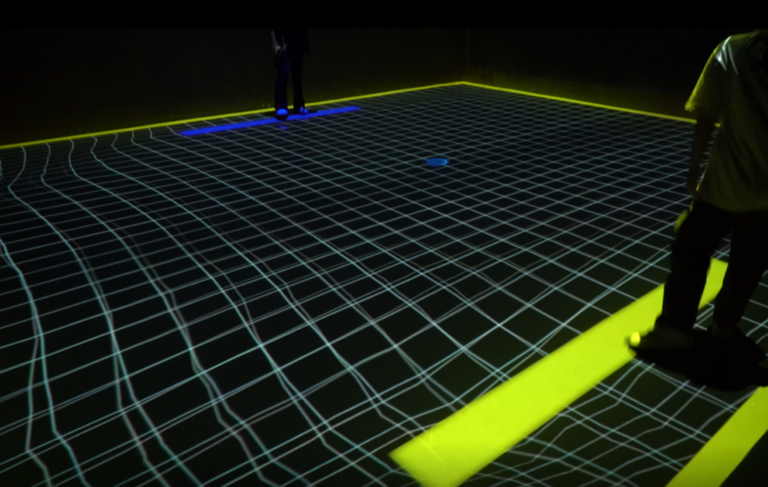
- LED floors or walls: Provide responsive visual feedback
- Game software engine: Controls gameplay logic
- Central control system: Manages multiple game modes
When users move, jump, or interact, the system instantly responds—turning physical activity into gameplay. This makes workouts feel immersive and exciting.
What Are the Key Benefits of Using Digital Physical Games in Fitness Spaces?
The benefits extend beyond fun. These systems deliver measurable improvements:
Key Advantages
- Increased user retention in fitness programs
- Enhanced cardio and coordination training
- Suitable for all age groups
- Higher ROI for fitness centers and stores
- Customizable game difficulty levels
Comparison Table: Traditional Fitness vs Immersive Fitness Systems
| Feature | Traditional Fitness | Immersive Digital Game Fitness |
|---|---|---|
| Engagement Level | Low to Medium | High |
| Motivation | Self-driven | Game-driven |
| Technology Use | Minimal | Advanced system + software |
| User Retention | Moderate | High |
| Investment Price | Lower upfront | Higher but better ROI |
| Experience | Repetitive | Interactive & dynamic |
How Can Businesses Profit from Immersive Fitness Game Solutions?
From a business perspective, immersive fitness is not just a trend—it’s a high-growth market opportunity.
Revenue Opportunities
- Membership upgrades
- Pay-per-play game sessions
- Event hosting and competitions
- Brand collaborations
Currently, rhythm-based combat games and “Exer-adventure” RPGs are the hottest sellers. These titles require full-body movement to progress through a narrative, making them the best choice for those who find traditional cardio boring.
Yes, many software developers design their games to be compatible with major headsets. However, ensure your system has sweat-proof padding and adequate ventilation before starting an intense session.
While some “room-scale” games require a clear area, many latest releases feature a “stationary mode.” Always check the manufacturer specifications before you order to ensure the game fits your living environment.