What Are the Core Requirements for an Immersive Projector Art Gallery System?
Detailed Specifications for Immersive Projector
To create a truly immersive environment, the projection system must meet specific technical standards. High-performance hardware ensures visual clarity, seamless interaction, and long-term reliability.
Key Technical Requirements
- High Lumens Output (10,000–30,000 lumens) for bright, vivid visuals
- 4K or higher resolution for sharp and detailed projection
- Short-throw or ultra-short-throw projectors to maximize space efficiency
- Edge blending & warping capabilities for seamless multi-projector setups
- Low latency processing for interactive game-like experiences
- Advanced projection mapping software integration
How Is an Immersive Art Experience Gallery Set Up?
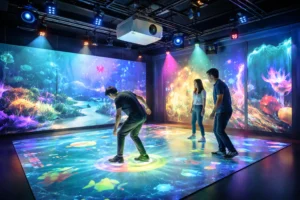
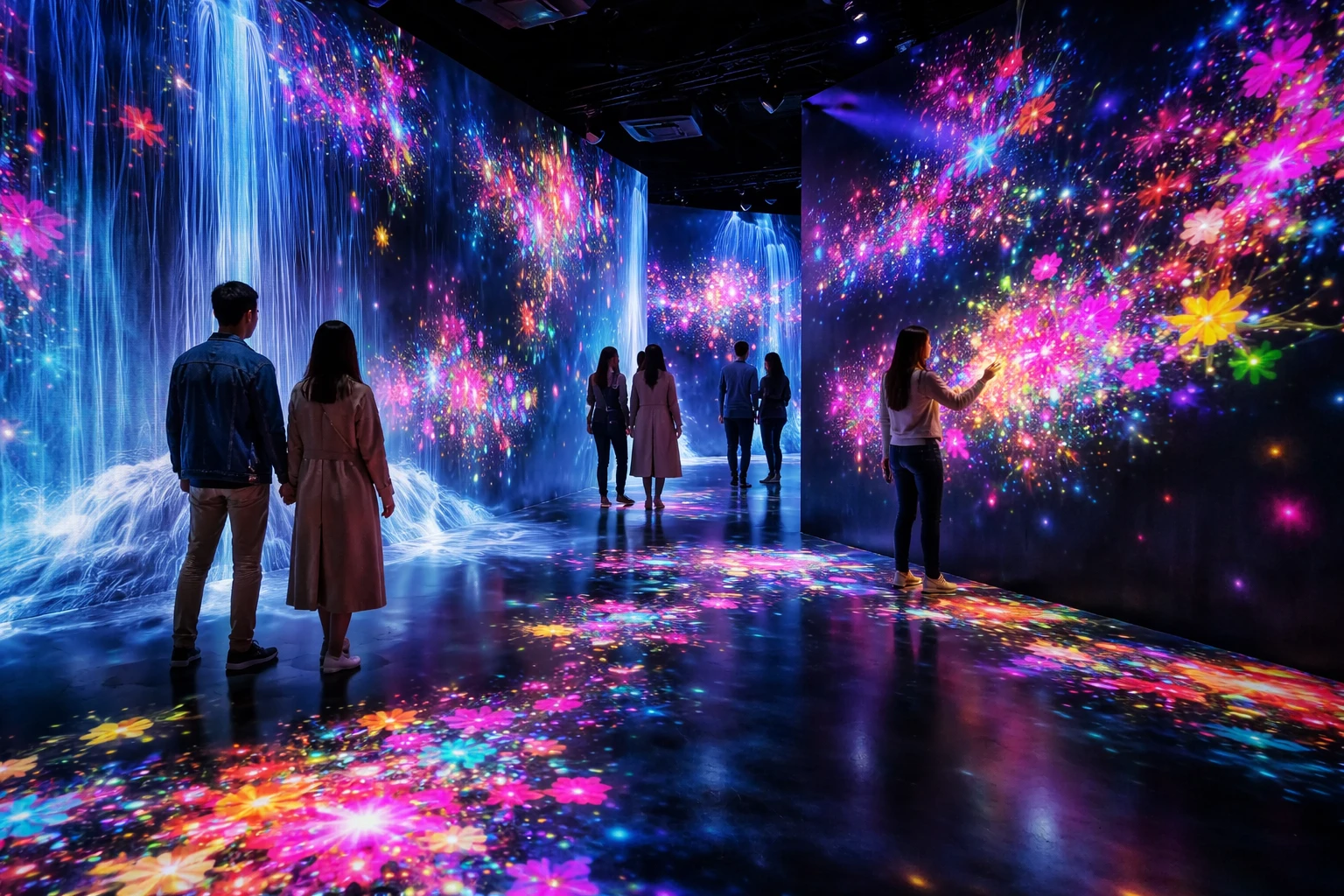
Setting up an immersive gallery involves more than just installing projectors. It requires a carefully planned ecosystem combining hardware, content, and spatial design.
Step-by-Step Setup Process
1. Space Planning & Layout Design
- Define projection surfaces (walls, floors, ceilings)
- Optimize visitor flow for engagement
- Consider room lighting and acoustics
2. Equipment Installation
- Mount projectors strategically
- Install motion sensors or interactive devices
- Configure servers and media playback systems
3. Software Configuration
- Use professional mapping software
- Integrate interactive game logic if needed
- Synchronize multi-channel content
4. Content Deployment
- Upload immersive visuals
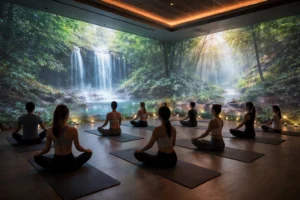
- Customize themes (nature, abstract art, digital storytelling)
5. Testing & Optimization
- Calibrate brightness and alignment
- Test real-time interaction performance
What Equipment and Software Are Needed for the Best Performance?
System Components Overview
| Component | Function | Recommendation | Price Range |
|---|---|---|---|
| Projector | Visual output | 4K laser projector | $$–$$$$ |
| Media Server | Content processing | High-performance GPU server | $$–$$$ |
| Sensors | Interaction tracking | Infrared / LiDAR sensors | $–$$ |
| Software | Mapping & control | Professional projection mapping software | $$ |
| Audio System | Immersive sound | Surround sound system | $$–$$$ |
Advantages vs Disadvantages Table
| Advantages | Disadvantages |
|---|---|
| Highly immersive experience | High initial investment price |
| Scalable system design | Requires technical expertise |
| Customizable content | Maintenance costs |
| Strong ROI for commercial spaces | Space requirements |

How Can Immersive Art Projector Visuals Be Customized?
Customization of Immersive Art Projector Visuals
Customization is what transforms a standard projection into a memorable experience. The software layer plays a critical role in enabling flexibility.
Customization Options Include:
- Theme-based content (nature, futuristic, cultural storytelling)
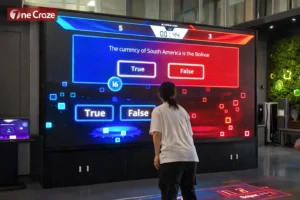
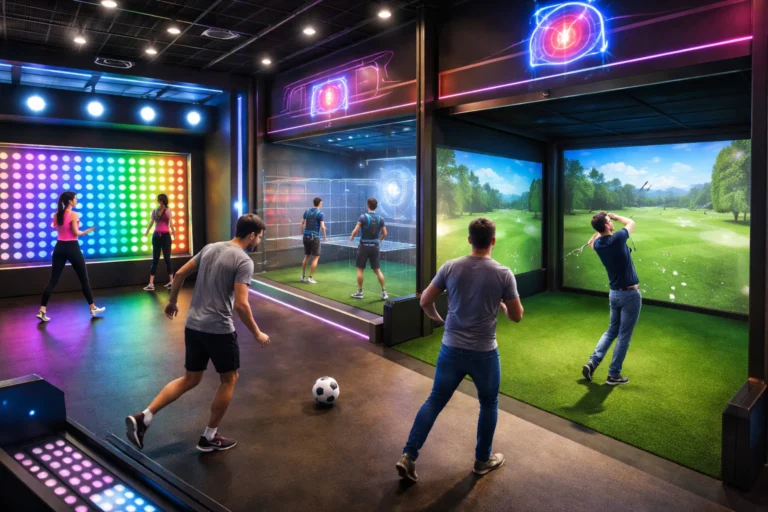
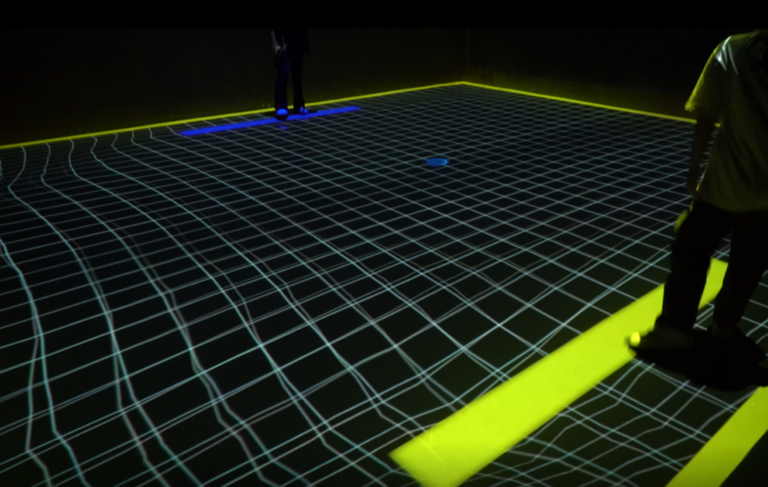
- Interactive game elements (touch walls, motion-triggered effects)
- Branding integration for commercial projects
- Dynamic content updates for seasonal campaigns
In Which Scenarios Can Immersive Projectors Be Used?
In Which Scenarios Can Immersive Projectors Be Used?
Immersive projector systems are highly versatile and can be deployed across multiple industries.
Popular Application Scenarios
- Museums & Art Galleries – Digital exhibitions and storytelling
- Shopping Malls – Interactive brand activations
- Theme Parks – Immersive rides and attractions
- Educational Centers – Interactive learning environments
- Event Spaces – Weddings, product launches, exhibitions
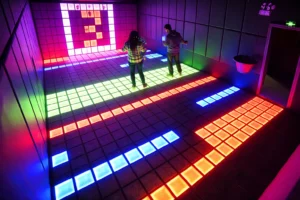
- Entertainment Venues – Game rooms and immersive theaters
The best projector is typically a 4K laser projector with high lumens (10,000+), ensuring bright and detailed visuals.
Yes, modern systems can integrate interactive game mechanics using motion sensors and real-time software.
Most projects take 2–6 weeks, depending on complexity and customization.
You can buy from professional suppliers like onecraze (onecrazemedia.com), offering full solutions from design to deployment.