🔍 What Is an Infrared Sensor System and How Does It Work?
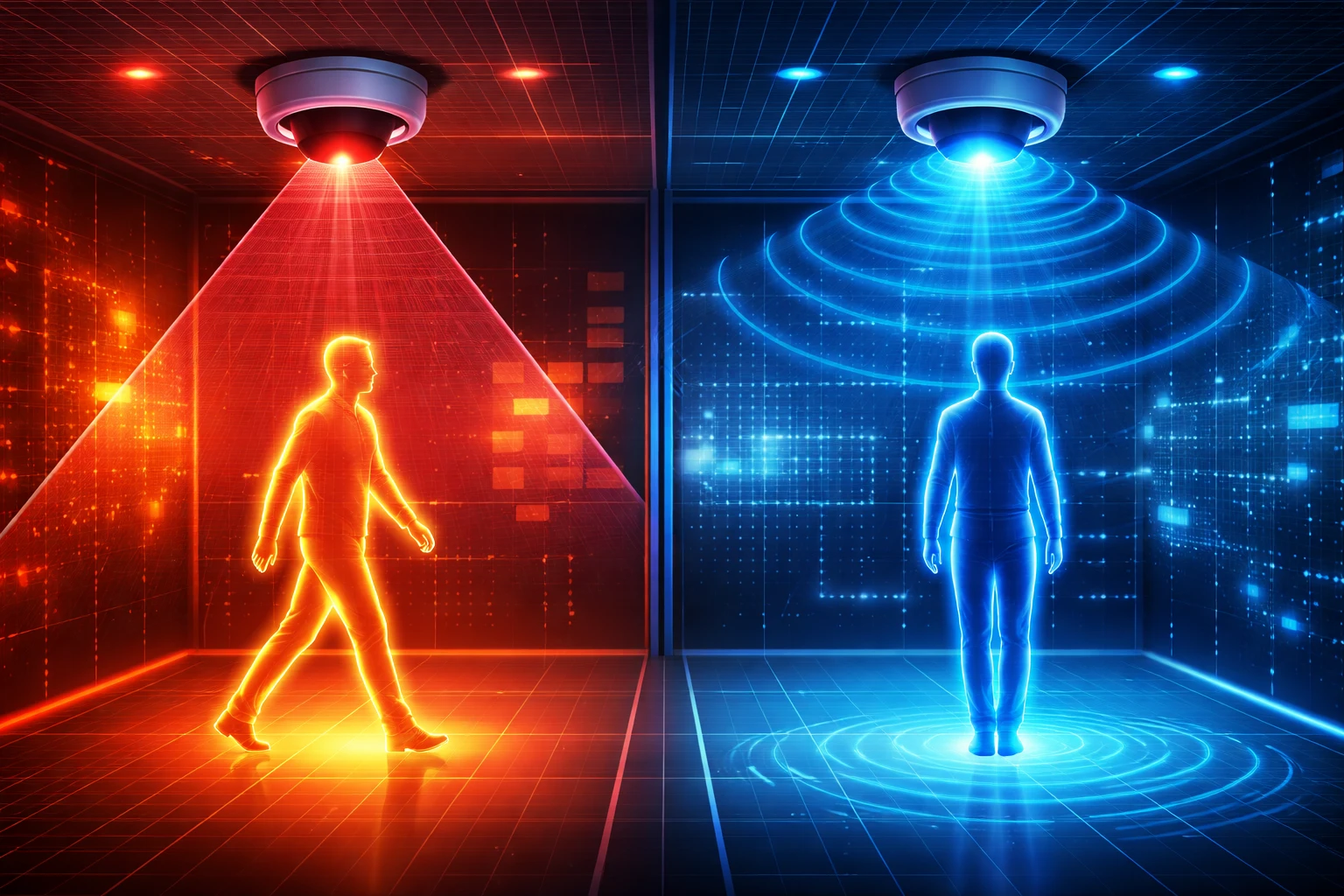
Infrared (IR) sensing works by detecting heat radiation or reflected infrared light emitted or bounced back from objects and people. Because the human body naturally emits infrared energy, IR sensors excel at motion detection and presence awareness.
⭐ Key characteristics of infrared systems:
- ✔ Passive or active sensing modes
- ✔ Line-of-sight detection
- ✔ Cost-effective hardware
- ✔ Simple software integration
➡ As a result, infrared sensors are widely used by interactive game manufacturers, digital art installations, and smart lighting companies.
📡 What Is Radar Interaction and Why Is It Considered Advanced?
- ✔ Works through smoke, fog, or obstacles
- ✔ Detects motion in complete darkness
- ✔ Offers depth, velocity, and trajectory data
- ✔ Highly stable in complex environments
Therefore, radar is increasingly adopted by latest smart buildings, industrial automation, and high-end interactive entertainment manufacturers.
⚖️ How Do Infrared Sensors and Radar Interaction Compare Directly?
To make things crystal clear ✅, here is a structured comparison table often used by system integrators, suppliers, and solution makers:
| 🔄 Comparison Factor | 🌡 Infrared Sensor | 📡 Radar Interaction |
|---|---|---|
| Detection Method | Heat / IR reflection | Radio wave reflection |
| Line of Sight Required? | Yes ❌ | No ✅ |
| Environmental Sensitivity | Affected by heat & light | Very low sensitivity |
| Detection Range | Short to medium | Medium to long |
| Motion Detail | Basic movement | High-precision motion |
| Typical System Price | 💲 Lower | 💲💲 Higher |
| Software Complexity | Simple | Advanced |
| Common Applications | Interactive games, lighting | Smart space, security |
| Popular Buyer Type | Small studios, store owners | Enterprise & R&D |
🎮 Which Technology Is Better for Interactive Game Systems?
🕹 Infrared in interactive games:
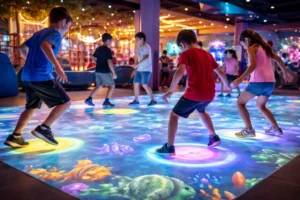
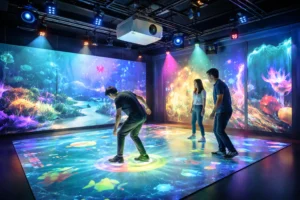
- ✔ Excellent for floor projection games
- ✔ Ideal for kids’ play zones
- ✔ Easy to maintain and buy
- ✔ Preferred by budget-focused stores
🎯 Radar in interactive games:
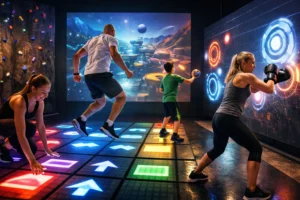
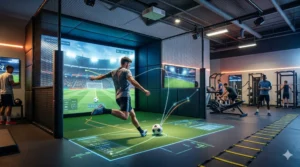
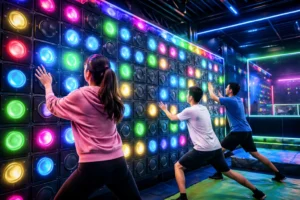
- ✔ Enables gesture-based interaction
- ✔ Supports multiplayer tracking
- ✔ Works in crowded or dark rooms
- ✔ Chosen by premium game system manufacturers
🏭 How Do Infrared and Radar Perform in Commercial & Industrial Applications?
In professional environments, stability and accuracy often outweigh price considerations.
🏢 Infrared commercial use cases:
- ✔ Smart lighting automation
- ✔ Visitor counting systems
- ✔ Museum interaction triggers
🏗 Radar industrial use cases:
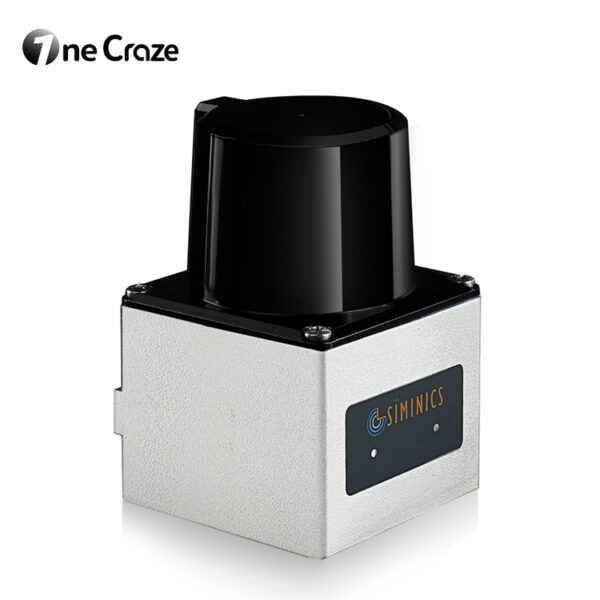
- ✔ Autonomous navigation
- ✔ Security monitoring
- ✔ Contactless control panels
- ✔ Smart factory automation
No. Radar offers higher precision, but infrared is often the best choice for simple, cost-effective interaction.
Yes ✅. Many manufacturers design modular systems that allow future upgrades.
Both are safe. Radar uses low-power radio waves, while infrared uses non-ionizing light.