What Components Make Up an Interactive Floor Projector System?
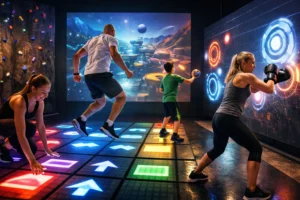
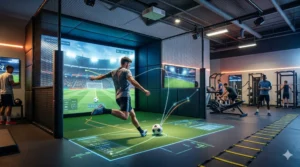
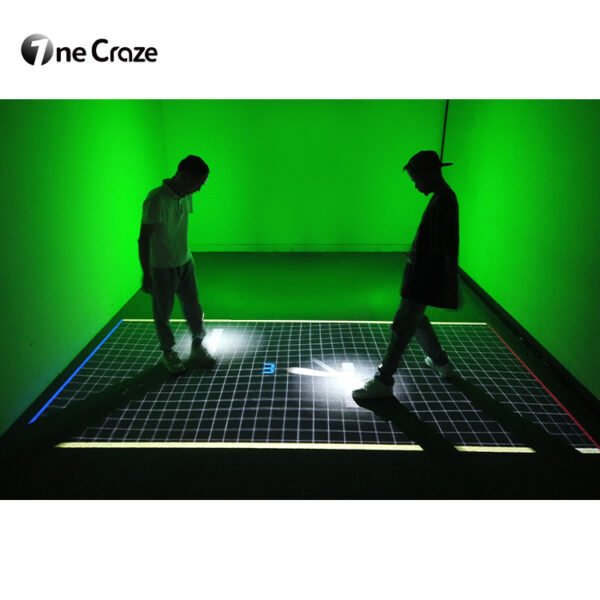
An advanced interactive floor projector system consists of several key components working together:
Core Components
- High-lumen projector – Projects vivid and dynamic game visuals onto the floor
- Motion sensors or depth cameras – Detect user movement in real time
- Control host (computer system) – Processes data and runs the game software
- Interactive floor projector game software – The brain behind gameplay logic
- Mounting structure & calibration tools – Ensure accurate projection alignment
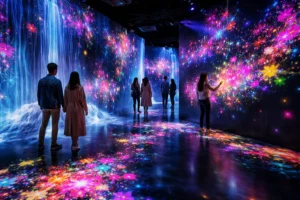
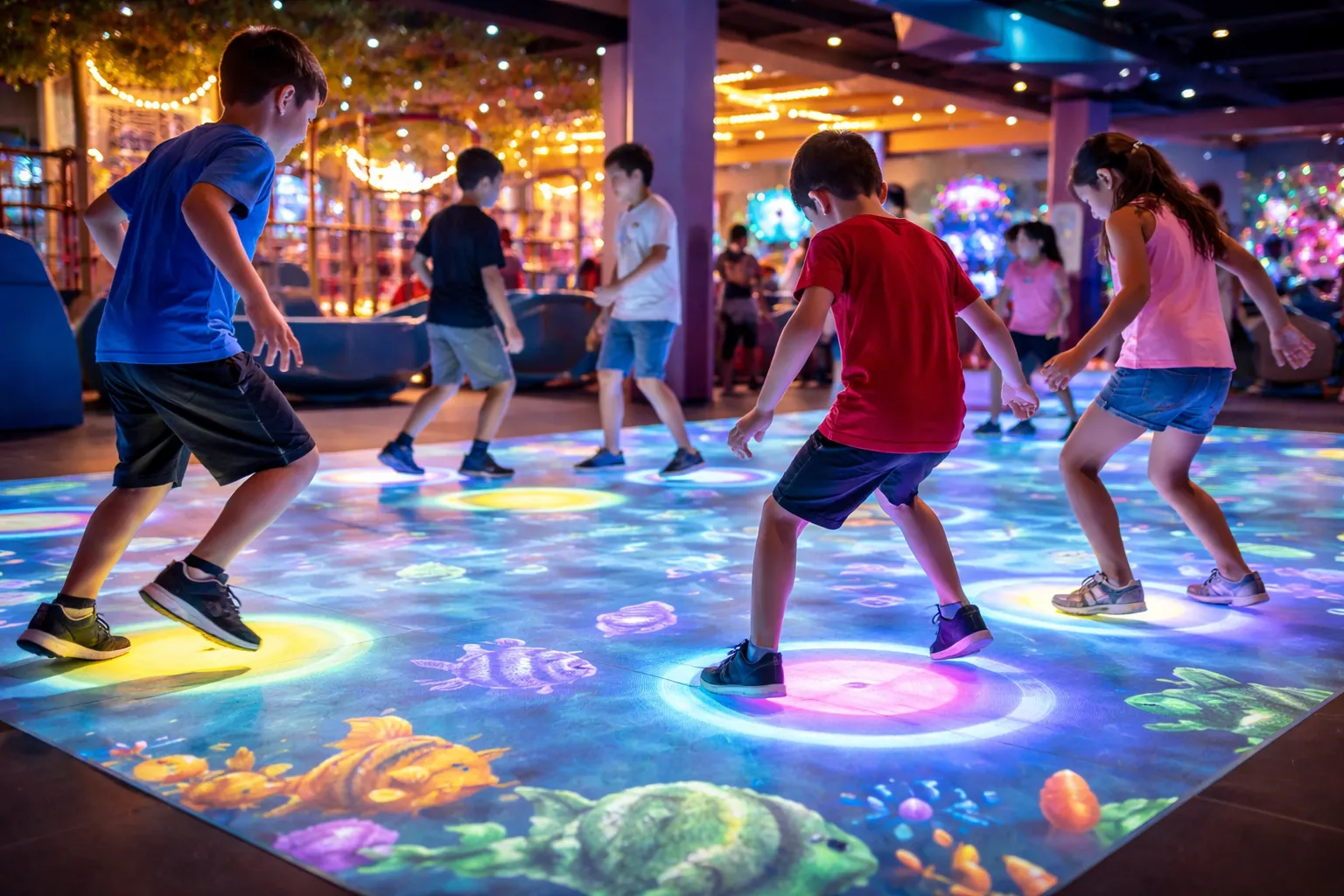
Because these components integrate seamlessly, users experience instant feedback. For example, stepping on a projected object may trigger lights, sounds, or scoring effects.
How Does the Customization Process for Interactive Floor Projector Game Software Work?
The customization process for interactive floor projector game software allows operators to tailor experiences based on audience, venue, and business goals.
Customization Steps
- Define target audience (kids, fitness users, families, or corporate events)
- Select game mechanics (running, jumping, reaction-based challenges)
- Adjust difficulty levels to suit different age groups
- Integrate branding elements for commercial promotion
- Optimize scoring and reward systems to increase repeat play
As a result, a well-customized system becomes more than just a game—it becomes a powerful business tool.

Can Interactive Floor Projection Games Truly Improve Physical Fitness?
Is playing games enough to replace traditional workouts?
Surprisingly, yes—when designed correctly.
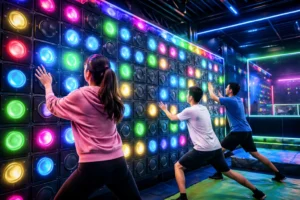
Interactive floor games encourage:
- Cardiovascular movement (running, jumping)
- Coordination and balance
- Reaction speed and agility
- Muscle engagement through repetitive motion
What Are the Venue Requirements for Interactive Floor Projector Installations?
What kind of space do you need to install an interactive floor system?
The venue requirements for interactive floor projector setups are flexible but must meet certain standards:
Key Requirements
- Ceiling height: Typically 2.5–4 meters for optimal projection
- Lighting control: Low ambient light improves visibility
- Floor surface: Flat, non-reflective, and durable
- Space size: Minimum 3×3 meters (expandable based on game type)
- Power and network: Stable electricity and optional internet connection
Because of this flexibility, installations can be deployed in:
- Shopping malls
- Gyms and fitness studios
- Schools and daycare centers
- Entertainment arcades
- Retail stores
What Are the Advantages and Disadvantages of Interactive Floor Projector Game Centers?
Is this technology worth the investment? Let’s compare.
| Aspect | Advantages | Disadvantages |
|---|---|---|
| Engagement | Highly immersive and fun | Requires regular content updates |
| Fitness Value | Encourages natural movement | Not a full replacement for strength training |
| Installation | Flexible and scalable | Initial setup cost (price) can be high |
| ROI Potential | Attracts customers and increases dwell time | Needs proper marketing strategy |
| Maintenance | Software updates are easy | Hardware requires periodic calibration |
Why Are Interactive Floor Games the Future of Fitness Entertainment?
Unlike traditional fitness equipment, interactive systems:
- Reduce boredom through gamification
- Appeal to all age groups
- Encourage group participation
- Combine technology with physical activity
As a result, they represent the best fusion of gaming and wellness available today.
Yes, they are highly adaptable. With customizable software, the system can cater to children, adults.
The price varies depending on configuration, software, and customization, but it typically ranges from mid to high investment levels for commercial setups.
Look for a company with proven experience, strong technical support, customizable solutions, and reliable after-sales service—such as onecraze.