What Is an LED Action Dance Floor System and How Does It Work?
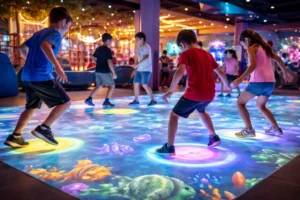
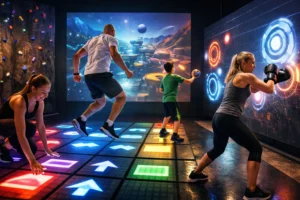
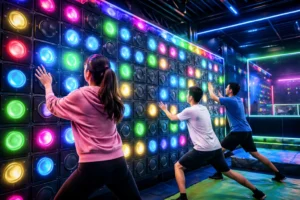
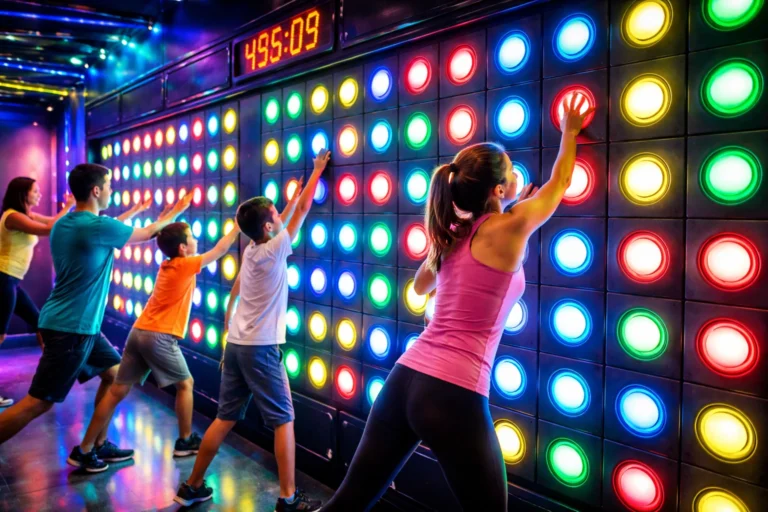
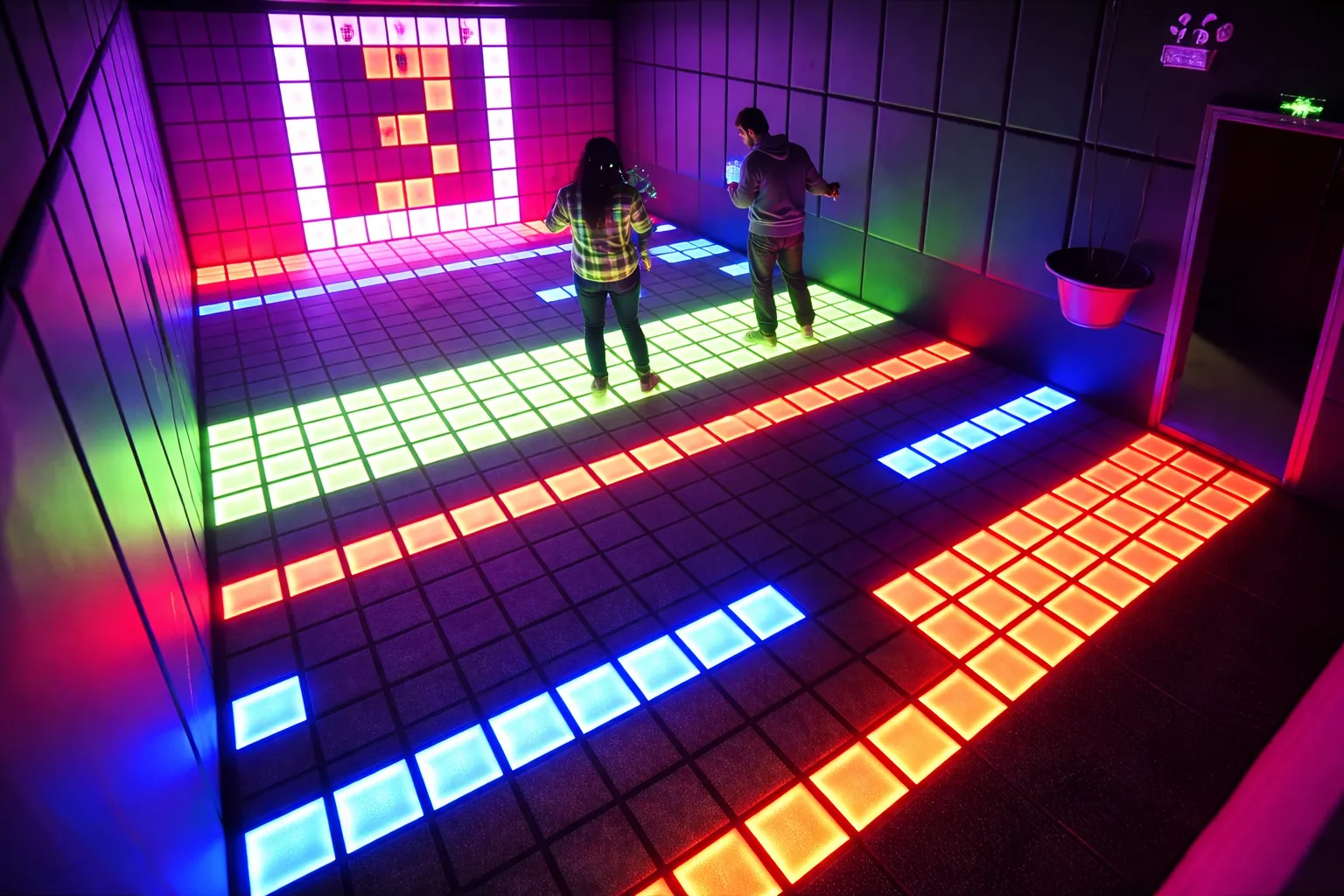
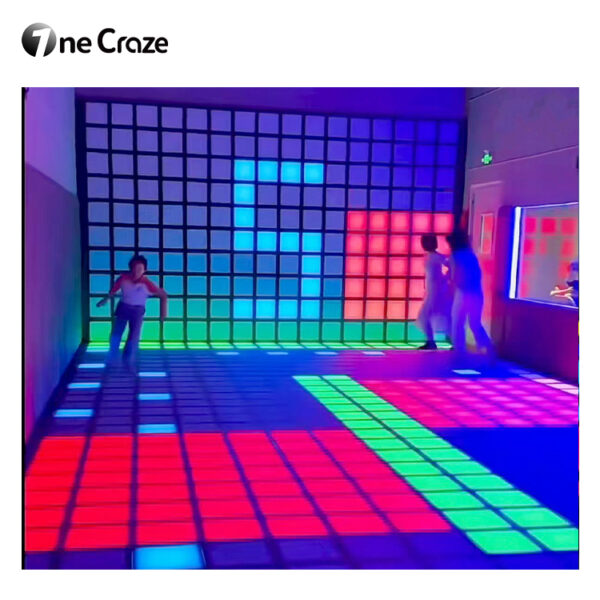
An LED action dance floor is a smart interactive game system composed of pressure-sensitive tiles embedded with LED lights and sensors. These tiles respond to user movement, turning physical activity into a reactive gaming experience.
Core Components of the System
- LED tile panels (modular design)
- Motion/pressure sensors
- Central control software
- Interactive game programs
- Cloud-based or local control interface
How It Works in Real-Time
When users step, jump, or run across the floor, sensors detect the movement and instantly trigger visual feedback. The software system then calculates performance metrics such as speed, accuracy, and coordination.
Why Is the LED Dance Floor 20×20 Setup Ideal for Physical Training?
One of the most popular configurations is the LED dance floor 20×20, offering a perfect balance between space efficiency and gameplay flexibility.
Key Benefits of a 20×20 Setup
- Covers enough area for group training sessions
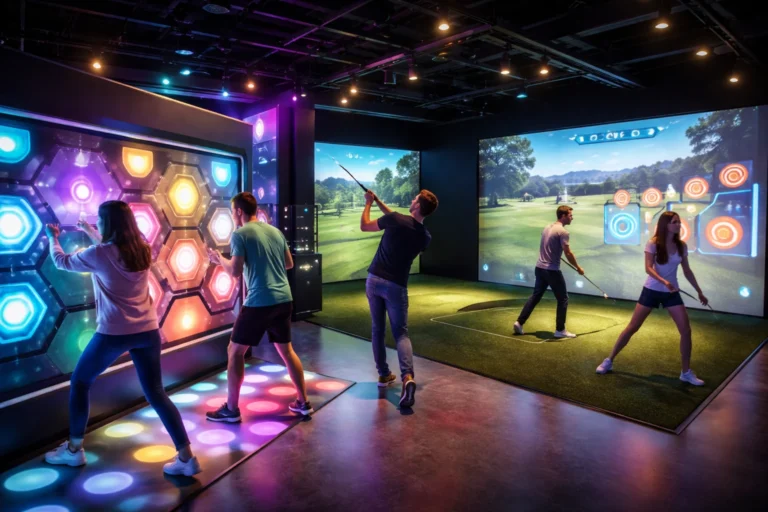
- Supports multi-player competitive games
- Enables complex movement patterns
- Ideal for commercial venues like arcades and fitness studios
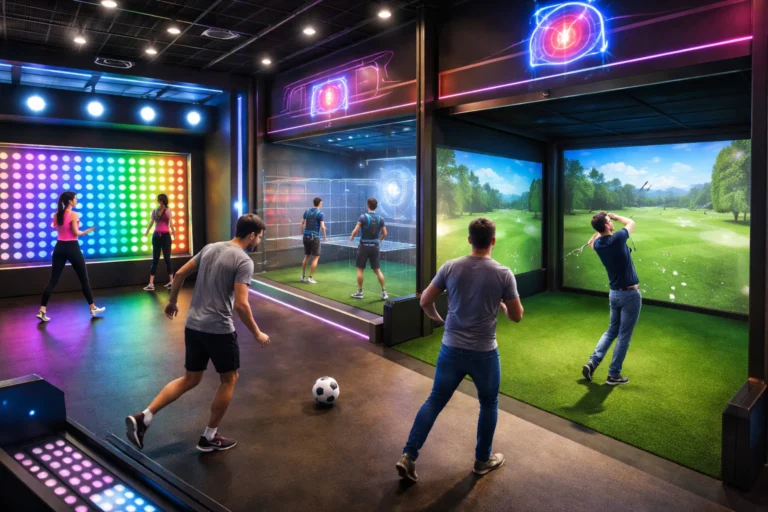
With a 20×20 modular system, operators can run multiple game modes simultaneously, increasing user retention and session turnover.
Moreover, this size allows the integration of advanced training programs such as:
- Reaction drills
- Speed endurance challenges
- Coordination-based obstacle games
How Does a Magnetic LED Dance Floor Improve Installation and Maintenance?
Have you ever wondered how to reduce installation time and maintenance costs in large-scale interactive systems?
The answer lies in the magnetic LED dance floor design.
Advantages of Magnetic Systems
- Quick plug-and-play installation
- Easy tile replacement
- Reduced wiring complexity
- Enhanced durability
Unlike traditional fixed flooring, magnetic tiles can be easily removed and replaced, making them ideal for high-traffic environments.
This innovation is particularly beneficial for operators who want to:
- Upgrade systems quickly
- Minimize downtime
- Reduce long-term maintenance costs
What Is the Top Dance LED Floor Price and What Factors Affect It?
Pricing is one of the most important considerations when planning your project. So, what determines the top dance LED floor price?
Key Pricing Factors
| Factor | Description | Impact on Price |
|---|---|---|
| Size (e.g., 20×20) | Larger floors require more tiles | High |
| Sensor Technology | Advanced motion tracking increases cost | Medium |
| Software Features | Custom games and analytics tools | High |
| Material Quality | Durability and waterproofing | Medium |
| Brand & Supplier | Manufacturer reputation and service | Medium |
What Are the Advantages and Disadvantages of Using LED Dance Floors for Training?
Advantages vs Disadvantages Table
| Advantages | Disadvantages |
|---|---|
| Highly engaging interactive gameplay | Higher initial investment |
| Improves physical fitness and coordination | Requires technical setup |
| Customizable game software | Maintenance needed for sensors |
| Scalable modular design | Learning curve for operators |
| Strong ROI for commercial venues | Space requirements |
How Can You Integrate LED Dance Floors into Adventure Game Training Programs?
Integration is where creativity meets technology. So, how can you effectively use LED floors in training?
Popular Use Cases
- Obstacle Training Games: Players navigate dynamic light paths
- Reaction Speed Drills: Lights trigger randomly for quick responses
- Team Competition Games: Multi-player coordination challenges
- Fitness Programs: Cardio and agility workouts
By combining physical activity with interactive game software, users stay motivated and engaged longer.
For example, a training session could include:
- Warm-up reaction game
- High-intensity speed challenge
- Team-based coordination activity
Yes. Many systems are designed with advanced tracking software, making them suitable for both entertainment and structured fitness programs.
High-quality tiles from professional manufacturers like OneCraze are designed to withstand heavy usage and are often waterproof and impact-resistant.
Most venues see ROI within 6–12 months due to increased customer engagement, repeat visits, and premium pricing for interactive experiences.