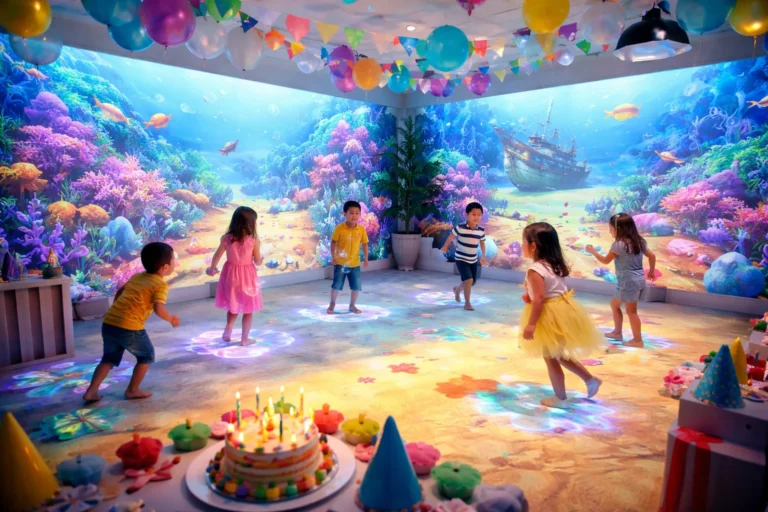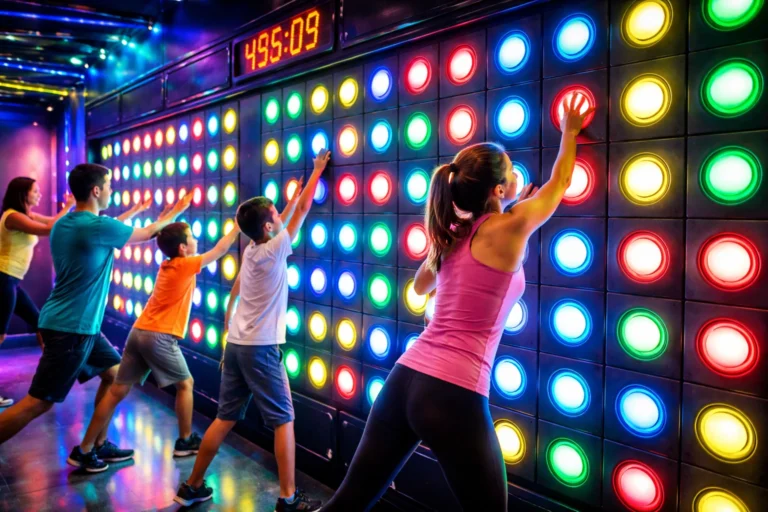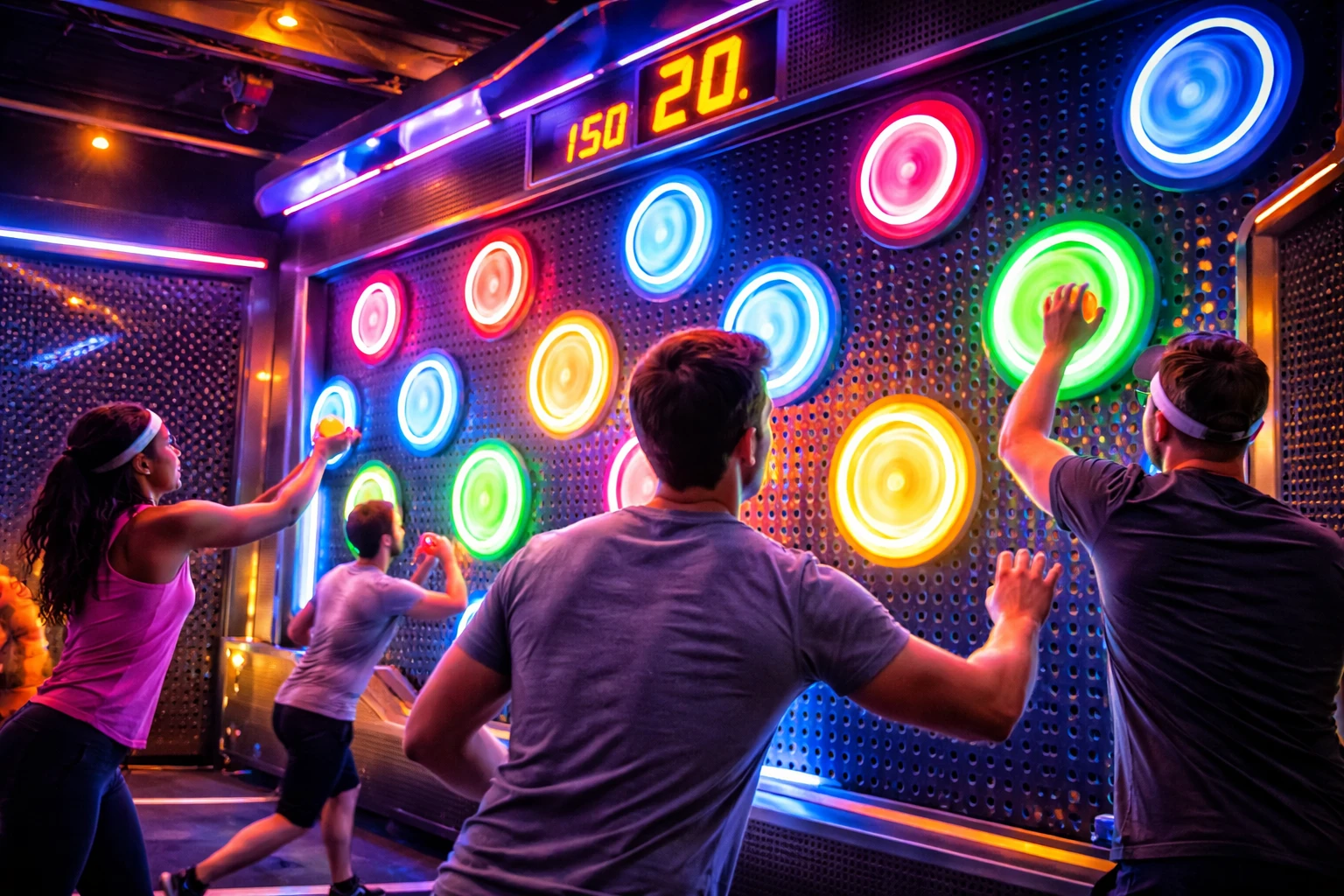
❓ Why Is the LED Light Activation Toss Game So Popular in Activation Arenas?
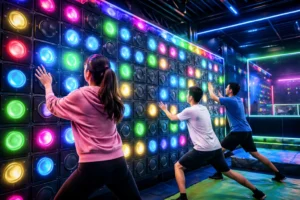
The LED Light Activation Toss Game transforms a simple throwing action into a high-energy competitive game system.
✨ Why it works so well:
- Players react to random LED targets
- Real-time feedback increases excitement
- Competitive scoring drives replay
- Suitable for all ages
Unlike traditional static throwing games, this smart activation system uses motion sensors + LED modules + intelligent software to deliver an immersive experience.
🎯 Key engagement factors
✔ Reaction speed
✔ Hand-eye coordination
✔ Competitive scoring
✔ Instant visual rewards
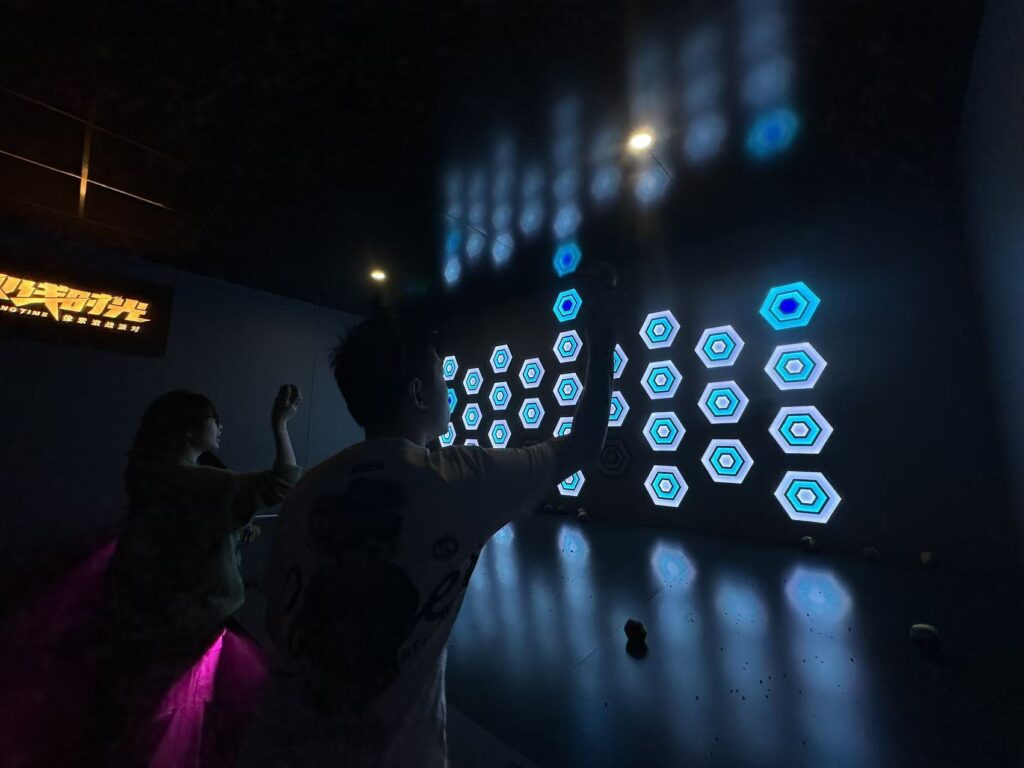
❓ What Components Make Up the LED Round Light Toss Game System?
A professional LED Round Light Toss Game Activation Arena System consists of multiple integrated modules working seamlessly together.
🔧 Core system components
- 🔵 LED round light targets (impact-resistant)
- 🧠 Central control software
- 📡 Wireless or wired sensor network
- 📊 Scoring & timing system
- 🖥 Management dashboard
- 🧱 Mounting frames or wall panels
❓ How Does the Installation Process Work Step-by-Step?
Installing an LED Light Activation Toss Game is simpler than many operators expect—especially with a professional supplier like OneCraze.
🛠 Installation Workflow
1️⃣ Site measurement & layout planning
2️⃣ Power & network preparation
3️⃣ LED target mounting
4️⃣ Sensor calibration
5️⃣ Software configuration
6️⃣ Game testing & optimization
⏱ Average installation time: 1–2 days
❓ What Are the Advantages and Disadvantages of This System?
Understanding both sides helps buyers make informed decisions. Below is a clear comparison table 👇
| Category | Advantages ✅ | Disadvantages ⚠️ |
|---|---|---|
| Engagement | High replay value | Requires proper calibration |
| Installation | Fast & modular | Wall space needed |
| Software | Upgradable & smart | Training needed initially |
| Maintenance | Low maintenance | Sensor cleaning required |
| ROI | Strong monetization | Initial price investment |
❓ How Does This Game Compare to Traditional Toss or Target Games?
Traditional toss games lack real-time intelligence. In contrast, the latest LED activation systems introduce data-driven gameplay.
🔍 Key Differences
- 🎮 Static game vs smart system
- 💡 Passive target vs reactive LED light
- 📊 No data vs full analytics
- 🔁 Limited replay vs dynamic modes
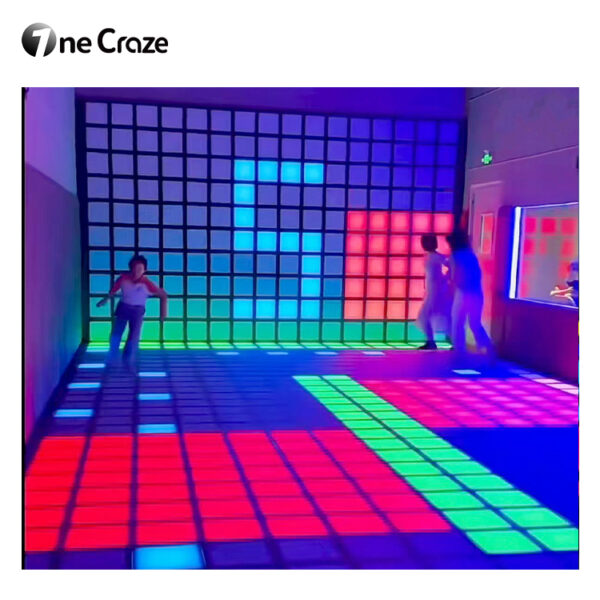
❓ Is This One of the Hottest Interactive Games on the Market?
Absolutely. 🔥
The LED Round Light Toss Game Activation Arena System is among the hottest interactive fitness-entertainment hybrids today.
It blends:
- Physical movement
- Competitive gaming
- Visual stimulation
- Smart technology
This combination ensures the system remains future-proof.
Yes. The system uses soft projectiles and impact-resistant LED targets designed for safe play.
Absolutely. The software allows full customization of timing, scoring, and difficulty.
Minimal maintenance is required—mainly routine sensor cleaning and software updates.
Yes. OneCraze supports long-term spare part availability.
Yes. Custom logos, colors, and branded game modes are available.
Yes, with appropriate enclosure and installation guidance.