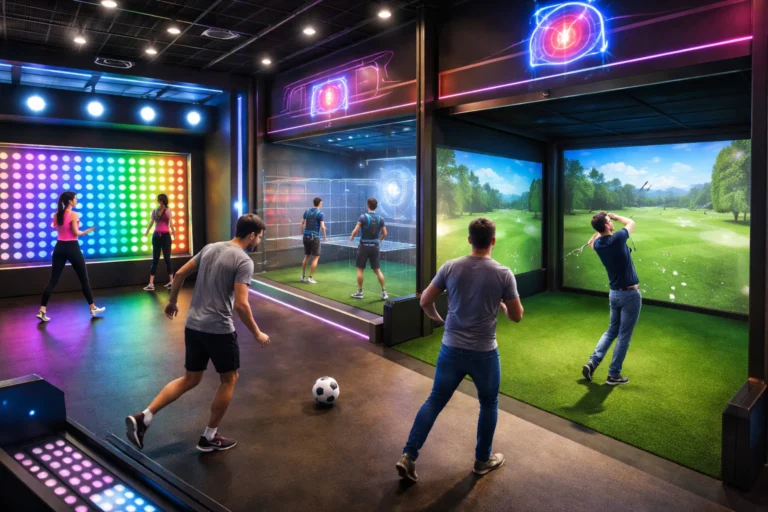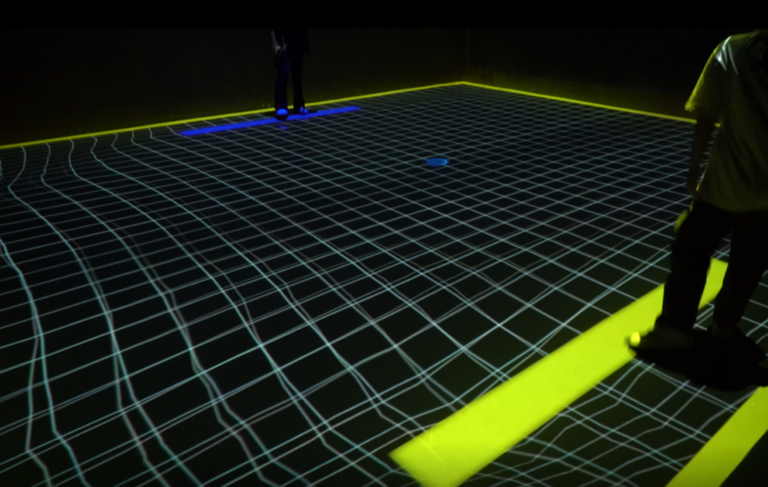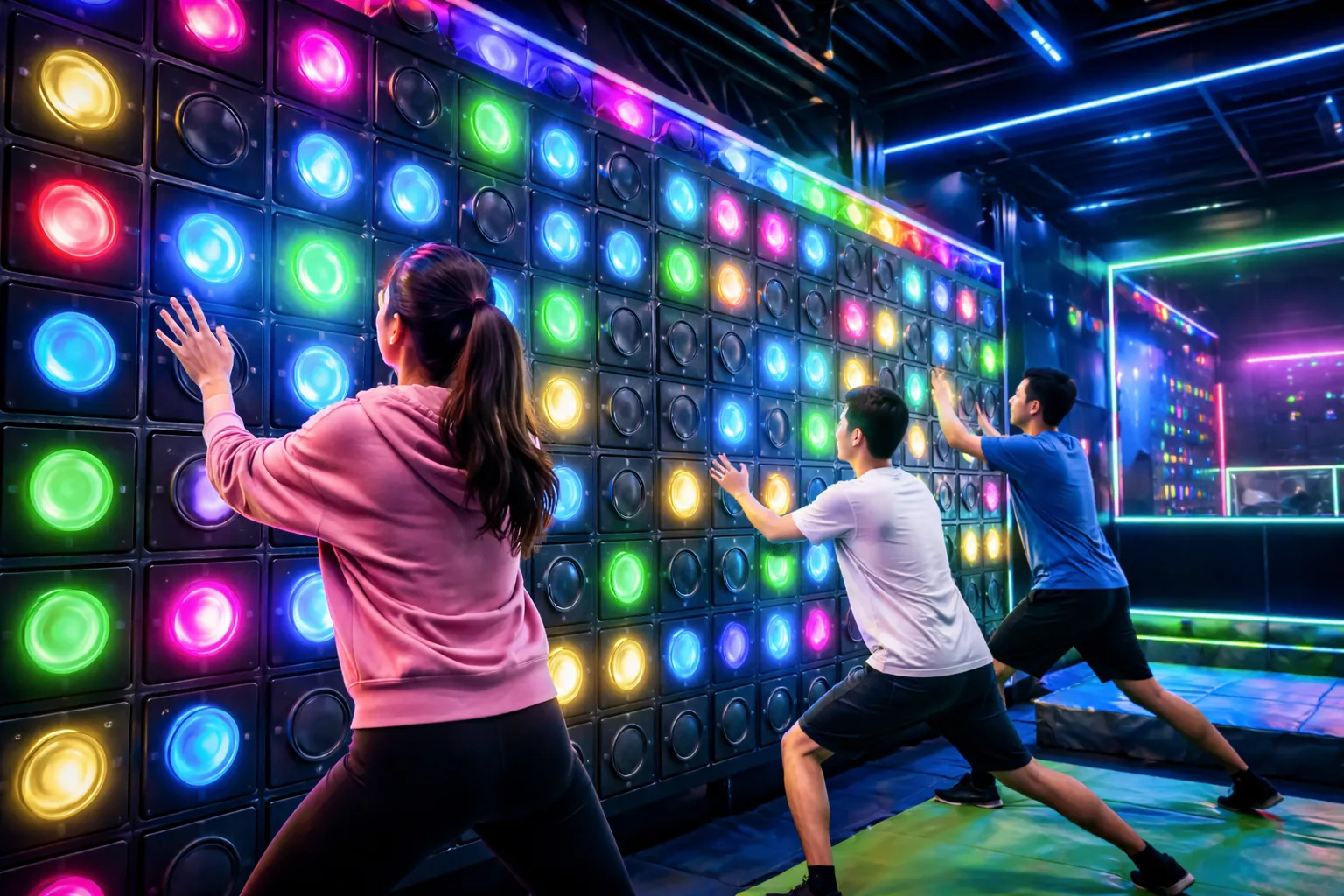
What Are the Core Requirements for Installing an Activate LED Arena Wall Game System?
Before installation begins, you must clearly define your system requirements. This ensures that your investment delivers the best performance and ROI.
Key Requirements Include:
- Space planning (minimum 30–80㎡ recommended)
- Power supply stability
- Network infrastructure for software control
- Safety compliance for commercial use
- Ventilation for hardware durability
LED Wall Arena Game Modes: What Game Experiences Can You Offer?
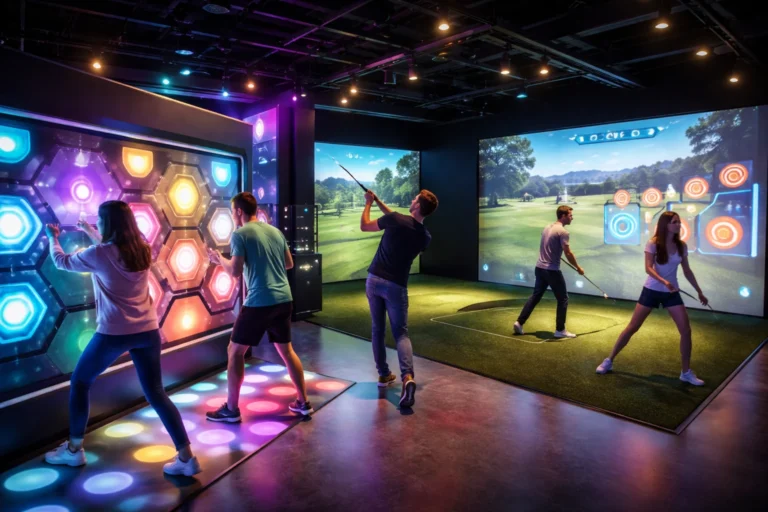
The success of your arena depends heavily on its game modes. So, what kinds of experiences can an LED wall clapping game deliver?
Popular LED Wall Arena Game Modes
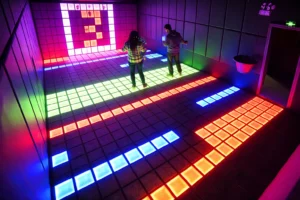
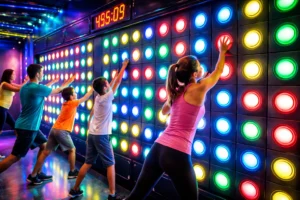
- Speed Reaction Mode – Players hit illuminated panels as fast as possible
- Memory Challenge Mode – Sequence-based light patterns test cognitive ability
- Team Battle Mode – Multiplayer competitive gameplay
- Endurance Mode – Long-duration physical challenge
- Score Attack Mode – Achieve the highest score within a time limit
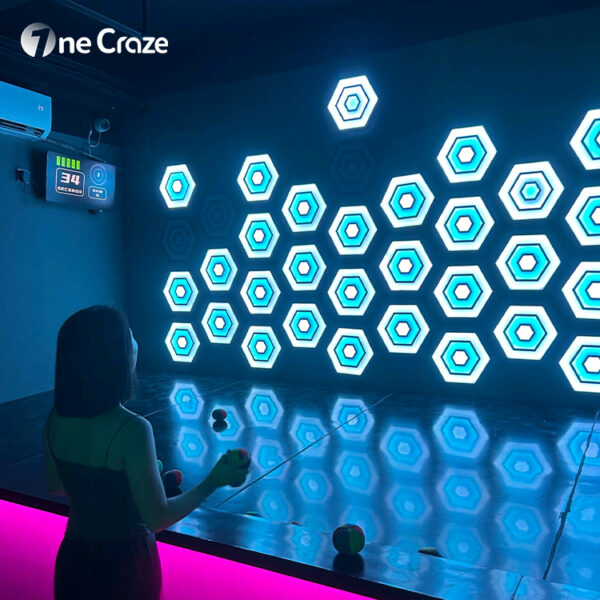
Hardware Solution for the Activate Arena Game: What Equipment Is Needed?
To build a reliable and scalable system, you need a complete hardware solution. So, what exactly does the setup include?
Core Hardware Components
- LED Interactive Wall Panels
- High brightness
- Durable anti-impact design
- Touch/Impact Sensors
- Detect clapping or hitting actions
- Control System (Main Server)
- Central processing unit for game logic
- Industrial PC
- Runs the game software
- Audio System
- Enhances immersion
- Network Router & Cabling
- Ensures stable communication
- Protective Frame Structure
- Guarantees safety and durability
How to Set Up the LED Wall Clapping Game Step by Step?
If you are planning to install or build your own arena, following a structured process is essential.
Step-by-Step Installation Plan
1. Site Preparation
- Measure space and mark installation zones
- Ensure electrical and network readiness
2. Frame Structure Installation
- Install metal frames securely
- Verify load-bearing capacity
3. LED Panel Mounting
- Fix panels onto the structure
- Align for seamless display
4. Sensor Integration
- Install motion or impact sensors
- Test responsiveness
5. System Wiring
- Connect power and data cables
- Organize wiring for safety
6. Software Installation
- Install and configure game software
- Set difficulty levels and game modes
7. Testing & Calibration
- Run system diagnostics
- Adjust sensitivity and lighting effects
8. Final Delivery
- Staff training
- Operational guidelines
It is an interactive game system where players hit or clap LED panels that respond with lights and scores, creating an immersive gaming experience.
Typically, installation takes 5–10 days, depending on the system size and complexity.
Yes, most professional suppliers offer customizable software with different game modes and difficulty levels.
Yes, smaller configurations are available, making it suitable for limited spaces.
Regular software updates, sensor calibration, and basic hardware checks are recommended.