🍽️ Why Are Multi-Sensory Events Transforming the Immersive Dining Scene?
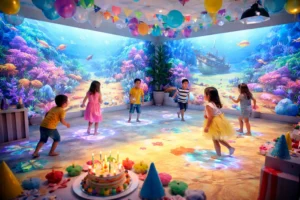
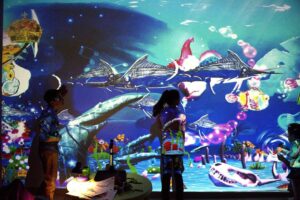
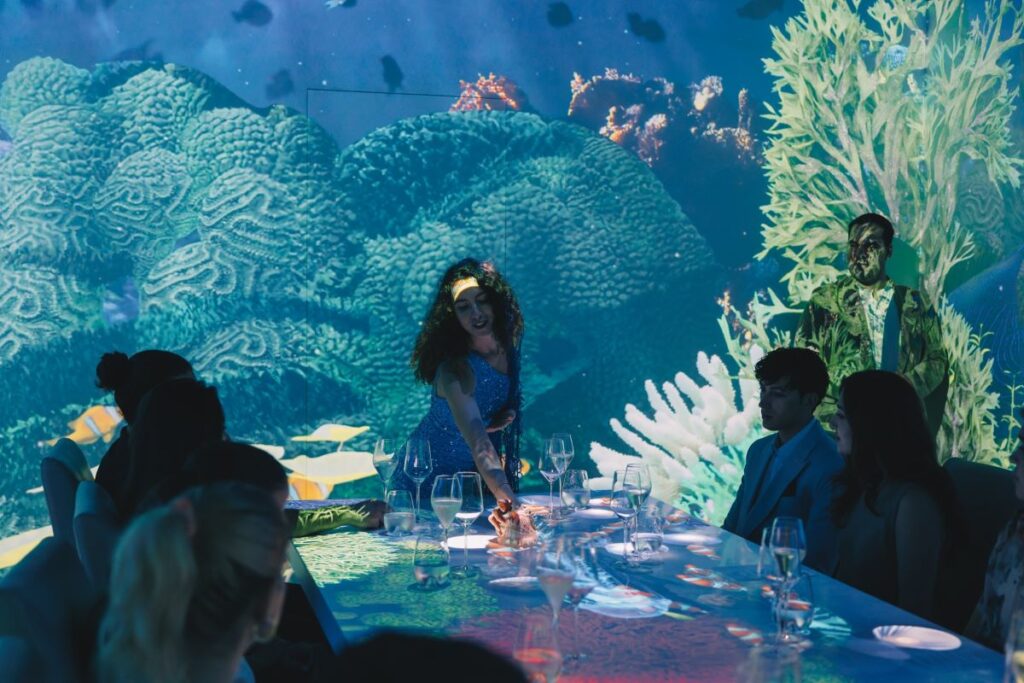
Traditional dining focuses mainly on taste and service. However, immersive dining scenes combine sight, sound, touch, smell, and interaction into a single cohesive experience.
✨ Key reasons for this transformation include:
- Customers want memorable, shareable experiences
- Social media rewards visual and interactive content
- Restaurants need differentiation beyond price and menu
By using immersive projection, interactive games, synchronized audio, and responsive software, dining becomes a story-driven event rather than a simple meal.
🎮 How Do the Best Multi-Sensory Dining Events Actually Work?
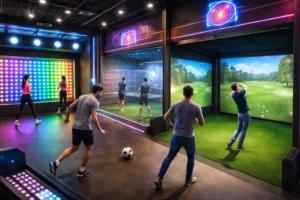
The best multi-sensory events in the immersive dining scene rely on integrated systems rather than isolated gadgets.
🔧 A typical immersive dining system includes:
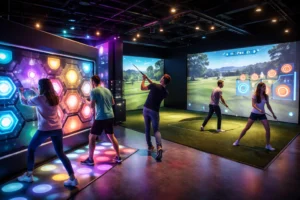
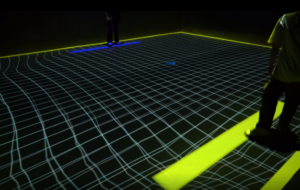
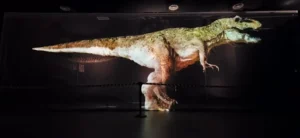
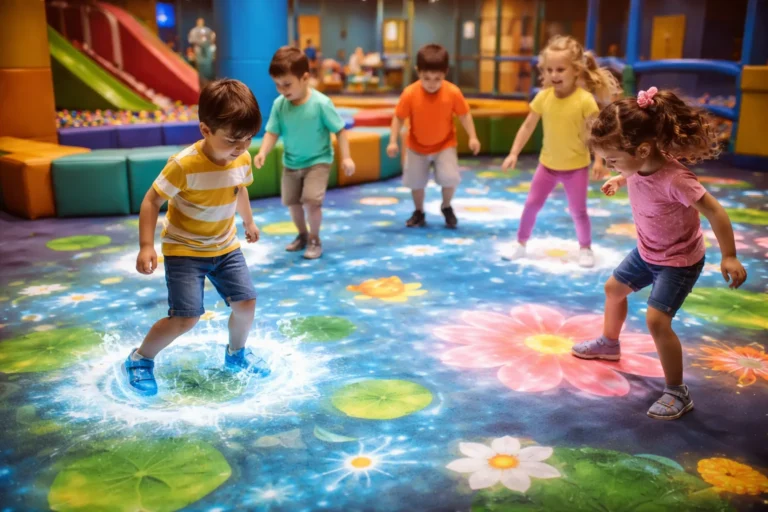

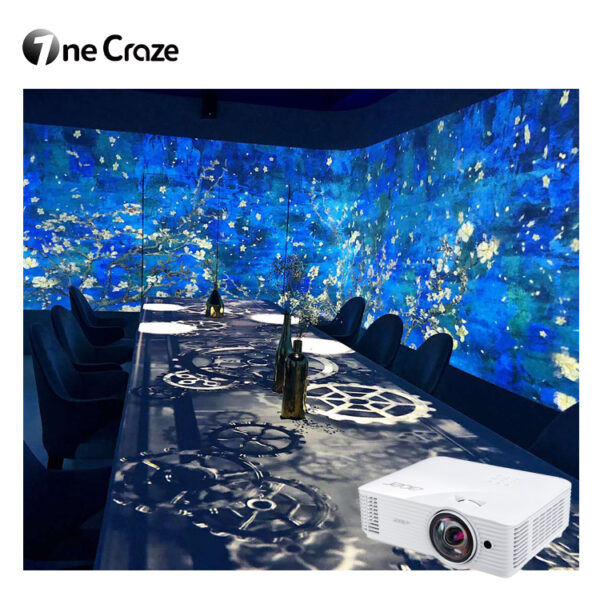
- Interactive projection mapping (table, wall, floor)
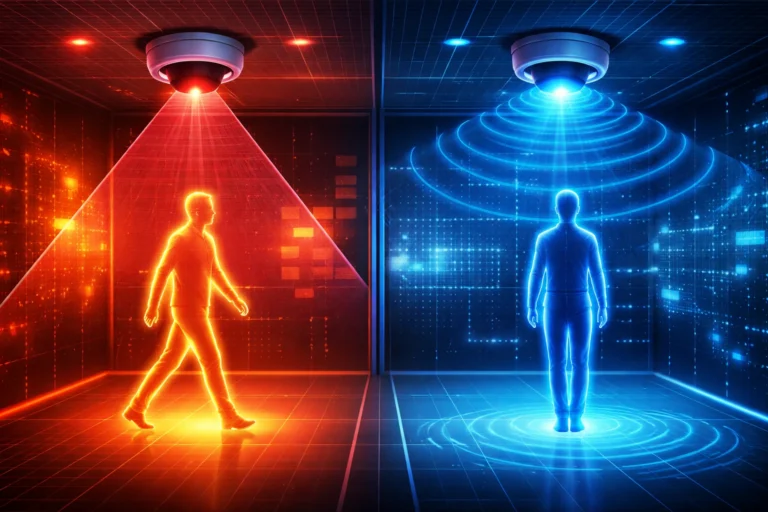
- Motion sensors and touch triggers
- Scent release and sound synchronization
- Real-time control software
- Game-based interaction logic
🧠 Why Is Gamification the Hottest Trend in Immersive Dining?
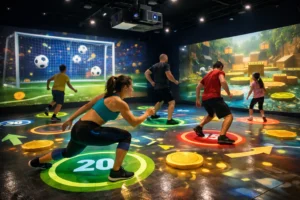
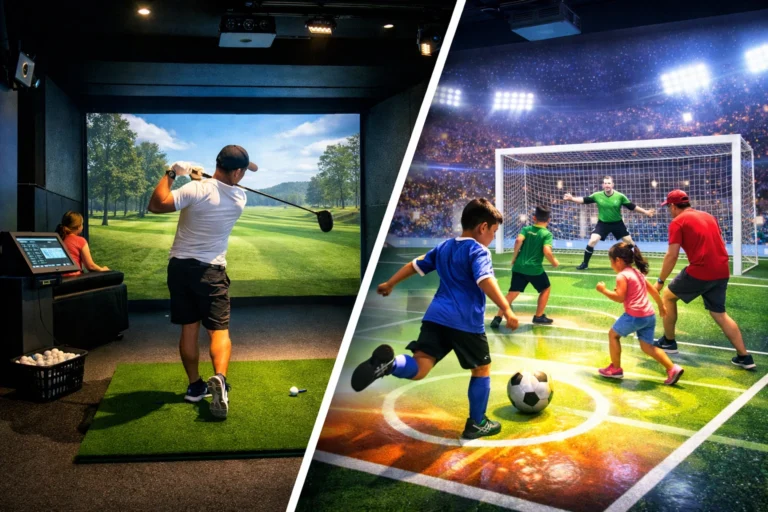
Gamification turns dining into an active experience.
🎯 Examples include:
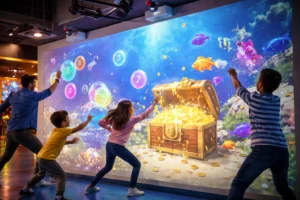
- Tapping tables to unlock animated dishes
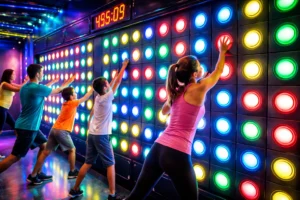
- Cooperative table games between guests
- Story missions synchronized with courses
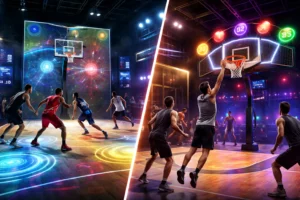
- Competitive scoreboards for group dining
This game logic increases:
✔ Guest engagement
✔ Average dining time
✔ Social sharing
✔ Return visits
As a result, gamified dining systems are now among the hottest immersive dining investments worldwide.
📊 What Are the Advantages and Disadvantages of Multi-Sensory Dining Systems?
Below is a clear comparison table to help restaurant owners and investors make informed decisions:
| Aspect | Advantages ✅ | Disadvantages ⚠️ |
|---|---|---|
| Guest Experience | Highly memorable & interactive | Requires user guidance |
| Branding | Strong differentiation | Needs consistent theme design |
| Revenue | Higher ticket price potential | Higher upfront system price |
| Technology | Scalable & upgradable software | Requires professional maintenance |
| Marketing | Viral social media appeal | Content updates required |
🏗️ Who Should Buy Multi-Sensory Immersive Dining Solutions?
The best multi-sensory events in the immersive dining scene are ideal for:
🏨 Themed restaurants
🎡 Entertainment dining venues
🏢 Corporate brand activations
🎉 Private event spaces
🧪 Concept dining labs
If your company wants to:
✔ Increase dwell time
✔ Justify premium pricing
✔ Build a strong brand story
🚀 What Does the Future Hold for Immersive Dining Experiences?
The latest trends show:
- AI-driven interactive storytelling
- Adaptive systems reacting to guest behavior
- Cross-venue synchronized dining events
- Multi-location branded immersive scenes
The immersive dining scene is evolving into a platform business, not just a restaurant feature.
A true multi-sensory event engages at least three senses beyond taste—visual, auditory, tactile, and sometimes scent—through integrated systems and software.
Not when sourced from a professional manufacturer. Modern systems use centralized software for easy updates and monitoring.
Yes. Modular systems allow restaurants to start with one zone and expand later, controlling price and risk.
No. Market data shows immersive experiences are becoming a long-term strategy for hospitality brands worldwide.
Absolutely. Interactive dining experiences significantly increase repeat visits and social media sharing.
Depending on complexity, installation can range from a few days to several weeks for large venues.