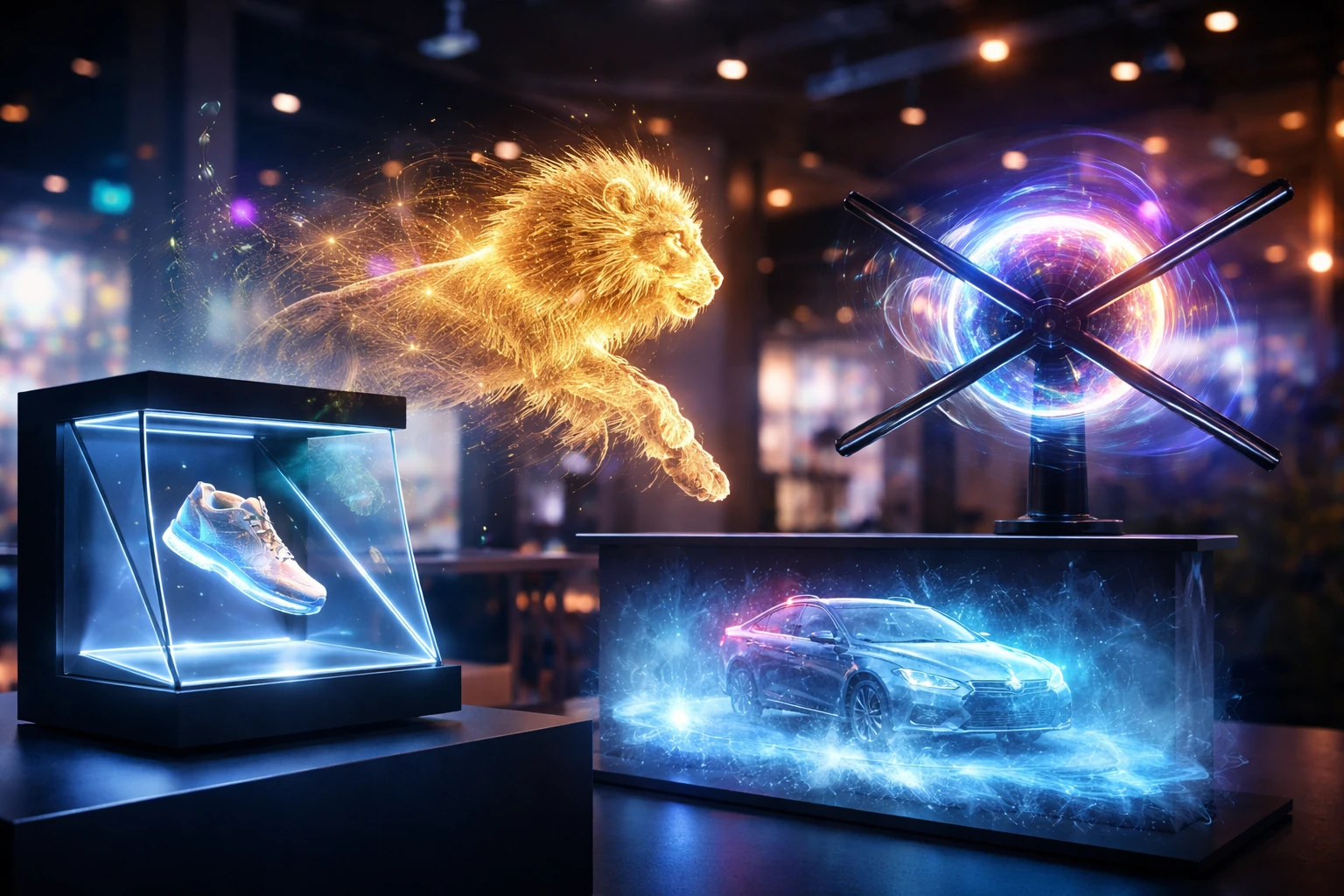
What Is a Hologram Projector?
A hologram projector is a display system designed to create a floating, three-dimensional, or illusion-based visual effect that appears more dynamic than a standard flat screen. In commercial usage, the term often refers to several technologies that create holographic-style visuals, including LED hologram fans, transparent holographic display boxes, fog screen projection, and immersive projection setups.
In other words, a holographic projector does not always mean a single device. Instead, it often describes a system that combines hardware, light, motion, display surfaces, and digital content to produce a hologram-like visual presentation.
This is why many businesses searching for a hologram projector are actually looking for a complete display solution rather than one basic machine. Depending on the venue and purpose, the right solution may be a compact advertising display, a large exhibition feature, or a customized immersive media installation.
Hologram Projector vs Traditional Projector: What’s the Difference?
A hologram projector system, by contrast, is designed to produce a more striking visual illusion. It may simulate depth, create floating imagery, or make digital content appear suspended in space. This stronger visual impact is the main reason why holographic projector systems are popular in retail marketing, event staging, museums, showrooms, and entertainment venues.
Here are the main differences:
Visual Effect
Traditional projectors create flat projected images. Hologram projector systems aim to create depth, floating visuals, transparency effects, or motion illusion.
Audience Attention
Traditional projection works well for presentations and standard content. Holographic display systems are better for attracting attention in high-traffic public spaces.
Installation Style
A normal projector typically needs a wall or screen. Holographic projector solutions may use fans, transparent display housings, fog screens, reflective layers, or customized staging structures.
Commercial Impact
Traditional projectors are practical. Hologram projector systems are designed to impress, engage, and enhance brand presentation.
Main Types of Hologram Projector Systems
Not all holographic displays work in the same way. That is why it is important to understand the major categories before choosing a system.
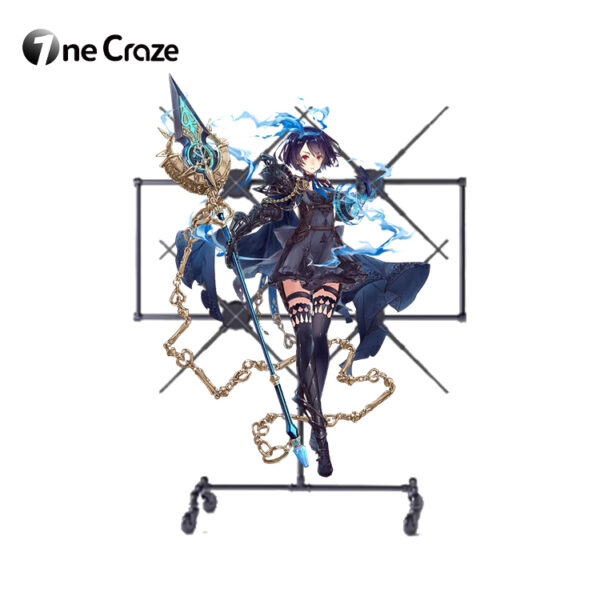
3D Hologram LED Fan
A 3D hologram LED fan uses rotating LED blades to create the illusion of floating 3D visuals in the air. These systems are widely used in retail windows, shopping malls, trade shows, and promotional counters because they are compact, visually striking, and suitable for product advertising.
They work especially well when you want:
- strong visual attention
- short looping 3D content
- a compact commercial display
- an installation that is easy to place in stores or booths
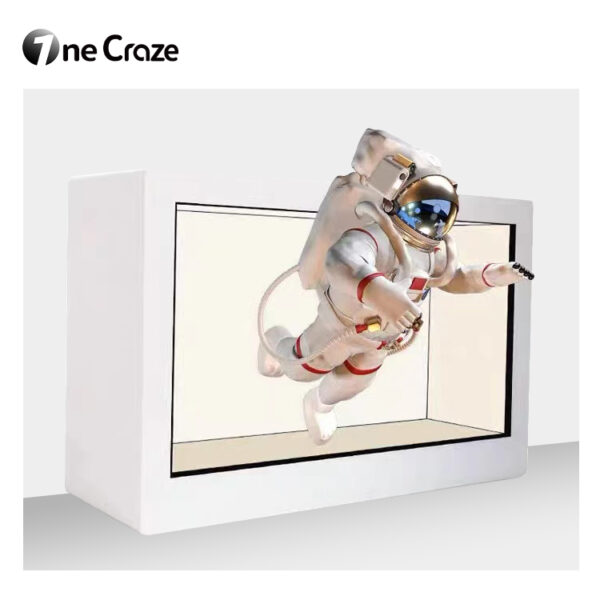
Holographic Display Box
A holographic display box is usually a transparent cabinet or enclosed display unit that presents products or 3D visuals with holographic effects. It is commonly used for luxury retail, product launches, museums, and technology showcases.
This option is ideal when you want to combine:
- physical product display
- digital animation
- controlled visual presentation
- premium brand appearance
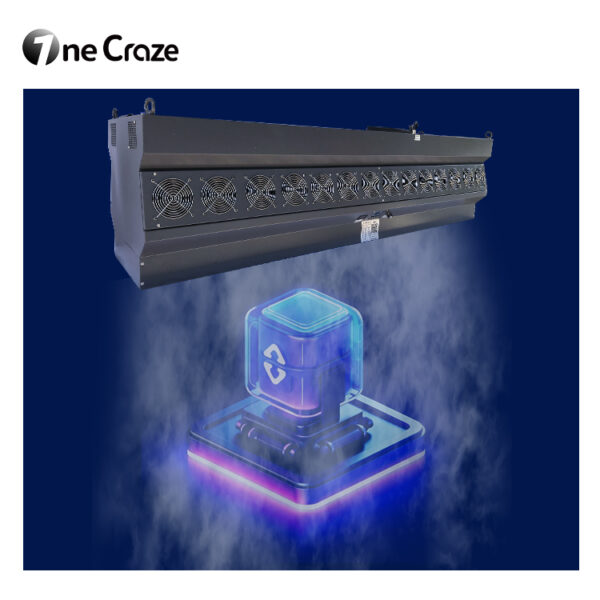
Fog Screen Hologram Display
Fog screen systems use a thin mist layer or special projection medium to create floating image effects. The result can look magical, immersive, and highly theatrical. This type is often used in events, themed attractions, museums, brand experiences, and entertainment spaces.
A fog screen hologram system is most effective when your goal is to create:
- dramatic entrance effects
- immersive storytelling
- floating brand visuals
- high-end experiential marketing scenes
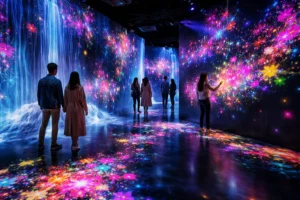
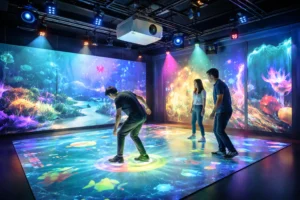
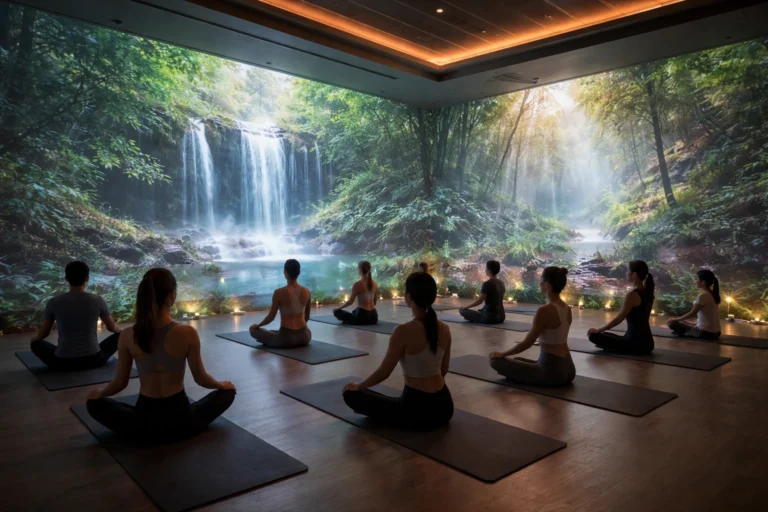
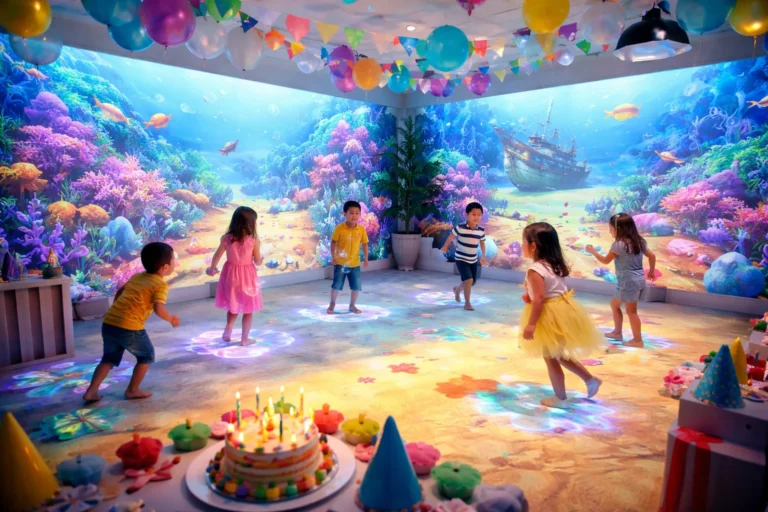
Customized Immersive Holographic Projection
Some projects require more than a single device. In that case, businesses may need a customized holographic projection solution that combines projection mapping, transparent surfaces, lighting, media content, and architectural design.
This type is suitable for:
- museums
- immersive restaurants
- showrooms
- themed exhibitions
- digital art installations
- branded event environments
Best Commercial Uses for Hologram Projectors
A hologram projector is most valuable when visual impact matters. While this technology can be used in many settings, some commercial scenarios benefit the most.
Retail Stores
Retailers use holographic projector systems to highlight products, attract window traffic, and create memorable visual branding. A hologram display can make a store look more innovative and premium.
Shopping Malls
In malls, holographic installations are used for promotional campaigns, brand activations, seasonal events, and digital advertising. They help attract shoppers in busy environments where standard displays often get ignored.
Exhibitions and Trade Shows
At exhibitions, businesses need to stand out quickly. A holographic projector can help present products, logos, or key messages in a more dynamic way than ordinary banners or flat screens.
Museums and Cultural Venues
Museums use holographic display systems to improve storytelling, visualize concepts, and create a stronger emotional response. This is especially effective when presenting history, science, or digital art.
Event Marketing
Brand launches, product reveals, and experiential events often use holographic visuals to create a wow factor. This makes the technology ideal for event marketing and audience engagement.
Restaurants and Showrooms
Some commercial venues use holographic systems to build atmosphere, support immersive decoration, or enhance premium presentation. In showrooms, holographic content can explain products in a more modern format.
In commercial use, these two terms are often used interchangeably. Both usually refer to display systems that create hologram-like or floating visual effects for advertising, events, exhibitions, or immersive spaces.
For most retail stores, a 3D hologram LED fan or a holographic display box is a strong choice because both options attract attention and work well for product-focused visual marketing.
Yes. Larger commercial spaces may use customized holographic projection solutions, fog screen systems, or immersive media setups depending on the project requirements and environment.