🌈 Why Are Interactive Beam Projector Games Essential in Kids’ Areas?
Parents today expect more than toys—they seek stimulating experiences that combine fun and early learning. Interactive beam projector games deliver precisely that.
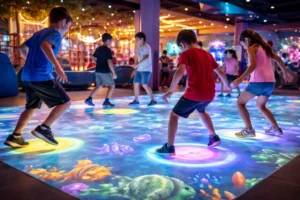
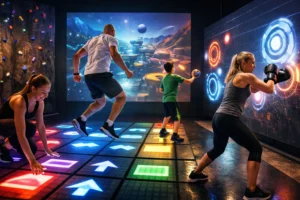
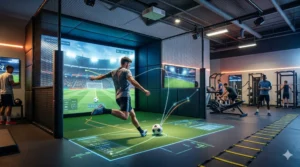
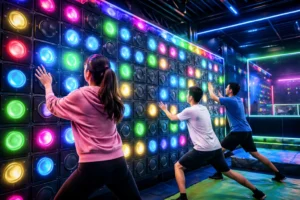
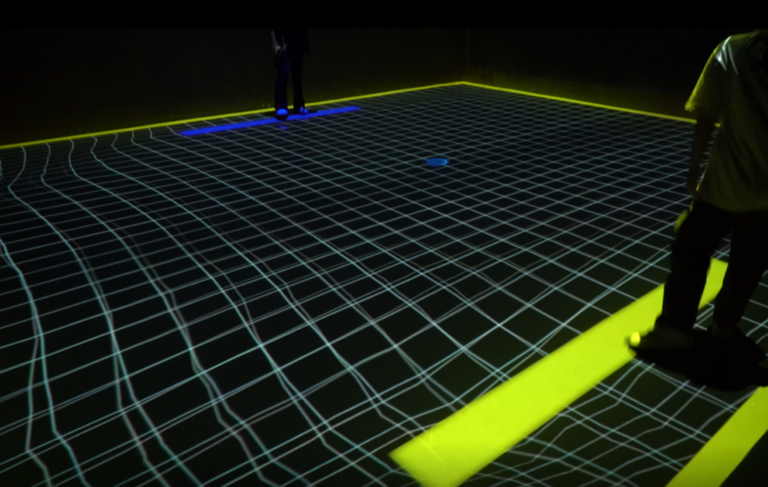
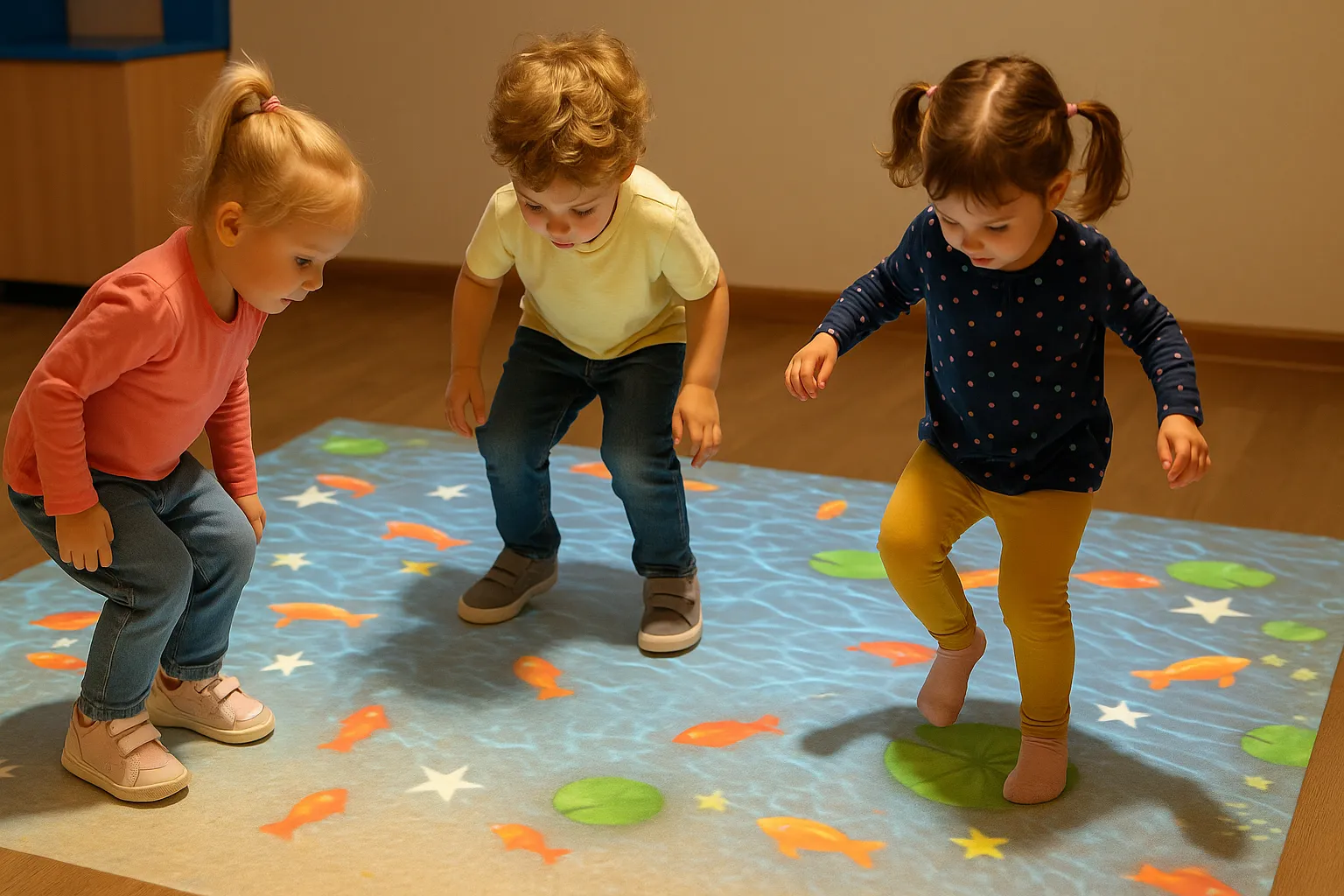
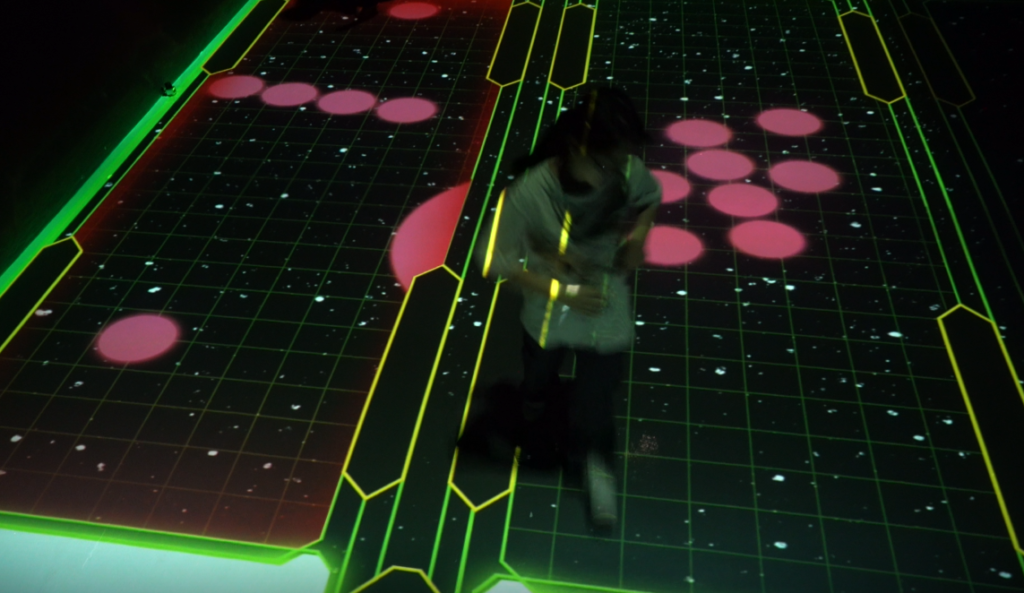
✨ These systems use sensors to detect motion and transform it into real-time gameplay, letting toddlers “splash,” “chase,” or “pop” digital objects projected onto safe surfaces.
Benefits include:
- 🧩 Improved coordination and balance
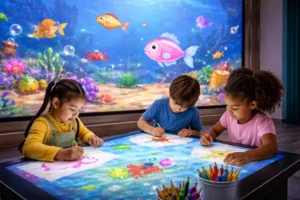
- 🎨 Enhanced creativity and color recognition
- 🗣️ Language and social interaction growth
- ⚡ Instant excitement without physical mess
👶 How Do Interactive Beam Projector Systems Work?
The magic lies in the integrated system combining:
- High-definition beam projector hardware
- Motion detection camera sensors
- Interactive game software suite
- Ceiling or wall mounting frames
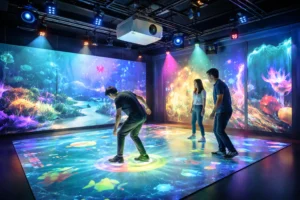
Once installed, the projector beams animated scenes—like fish swimming or bubbles floating—onto the floor. When toddlers move or step on them, sensors detect motion, and the software reacts instantly.

⚙️ What Are the Main Features of the Latest Systems?
The latest interactive beam projector games from OneCraze come with upgraded software and modular mounting kits. Here’s what sets them apart:
- 💡 Smart calibration: Auto-adjusts to ceiling height and ambient light.
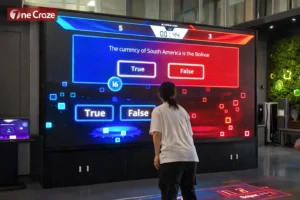
- 🎵 Multi-game software: Includes over 60+ interactive floor games and music-based puzzles.
- 🛡️ Child-safe operation: No exposed wires or moving parts.
- 🧠 AI-driven gameplay: Adjusts difficulty based on age or group activity.
- 🌐 Remote update system: Operators can update game packs or order new software themes directly from the supplier’s cloud server.
🧩 What Are the Advantages and Disadvantages Compared to Traditional Toys?
| 🎯 Comparison Factors | 🖼️ Interactive Beam Projector Games | 🧸 Traditional Toys & Playsets |
|---|---|---|
| 💡 Learning Engagement | Dynamic visuals and sensory stimulation | Limited sensory variation |
| 🧹 Cleanliness | No physical clutter or cleanup required | Needs constant sanitization |
| ⚙️ Maintenance | Software updates only | Parts wear out quickly |
| 👶 Safety | No small parts or choking hazards | Physical components may pose risks |
| 💰 Price Range | Medium to high initial setup | Low, but accumulates over time |
| 🌱 Sustainability | Digital system reduces waste | Repeated plastic toy purchases |
🏗️ How to Choose the Best Supplier or Manufacturer?
Choosing the right manufacturer or supplier ensures quality performance, long-term support, and game updates.
When buying or ordering, consider:
- 🏢 System Reliability: Check if the company provides warranty and technical support.
- 🧠 Software Quality: Ensure the game library includes educational content.
- ⚙️ Installation Services: The best suppliers include full setup guides or on-site installation.
- 💬 Customer Reviews: Look for verified feedback from schools or malls.
- 💰 Price vs. Value: Avoid the cheapest options—focus on durability, content richness, and after-sales service.
🎉 What Are the Hottest Interactive Games for Toddlers in 2025?
The 2025 lineup of hottest games features both educational and entertaining modes:
🌊 Magic Ocean Adventure – Toddlers step to make fish swim faster.
🍓 Fruit Catch Mania – Improves color and speed recognition.
🎈 Balloon Pop Party – Encourages coordination through movement.
🐾 Animal Chase Run – Teaches animal names and motion mimicry.
🌈 Rainbow Painter – Kids paint virtual rainbows by walking.
Prices vary depending on projector brightness, sensor quality, and game library size. On average, a professional setup ranges between $1,500–$3,800 per unit, including software licenses and mounting kits.
Yes! OneCraze’s system allows you to order additional game software or seasonal themes online via onecrazemedia.com, keeping your play area updated with the latest releases.
A flat floor area of at least 2.5×2.5 meters is ideal. The projector mounts to a ceiling height between 2.8–3.5 meters, adjustable depending on your layout.