🌍 What Is the Application Scope of Mobile Interactive Floor Display Machine?
📌 Application Scope of Mobile Interactive Floor Display Machine Explained
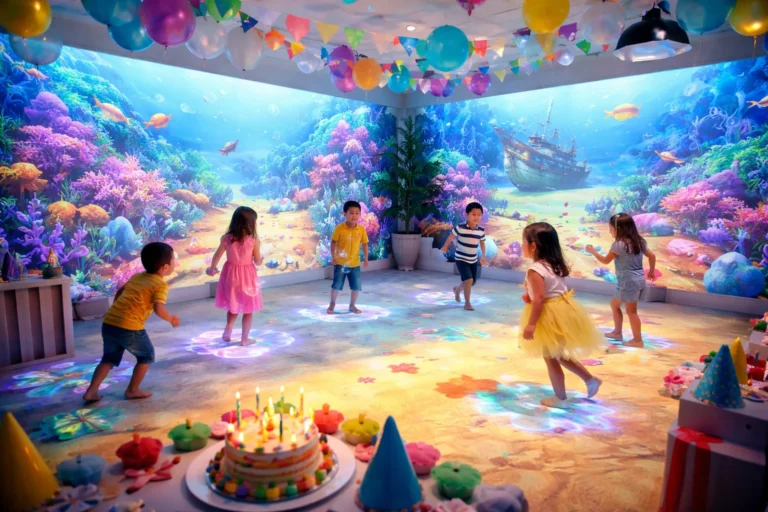
The application scope of a mobile interactive floor display machine is one of its strongest selling points. Thanks to its compact structure and wheeled or modular design, the system adapts to multiple environments without permanent installation.
Common application scenarios include:
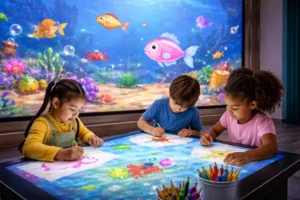
- 🏫 Schools & Kindergartens – Active learning through math, language, and coordination games
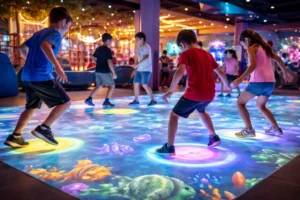
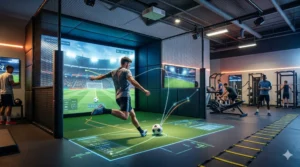
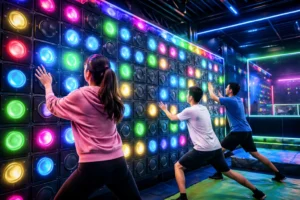
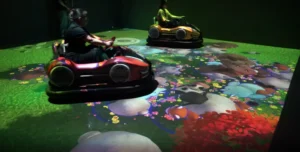
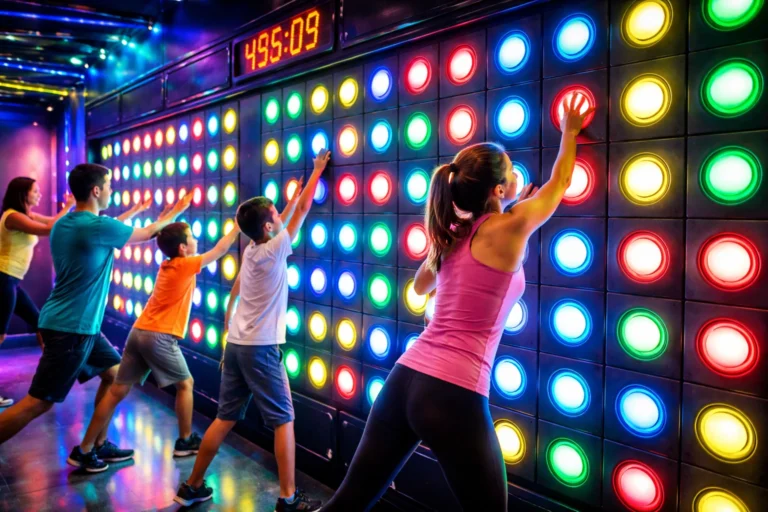
- 🎡 Indoor Playgrounds – Fast-paced multiplayer floor games that boost engagement
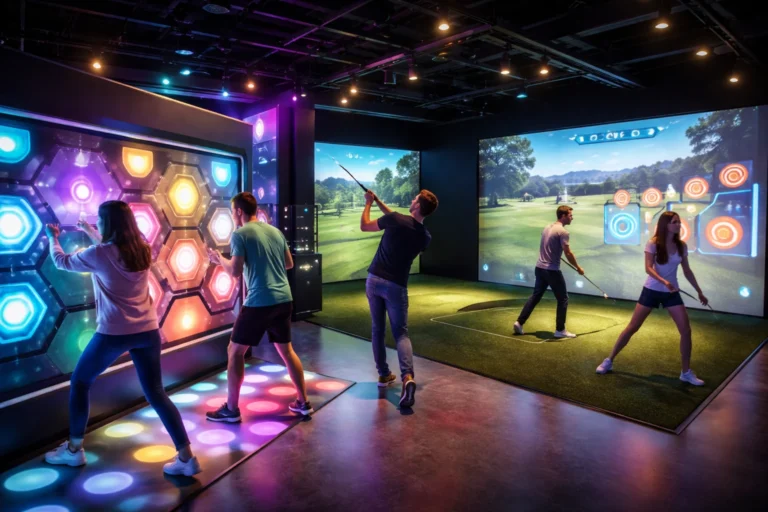
- 🏬 Shopping Malls & Pop-Up Events – Mobile attraction to increase foot traffic
- 🧠 Museums & Science Centers – Educational storytelling through motion-based interaction
- 🏥 Children’s Hospitals & Therapy Centers – Sensory play for rehabilitation and stress relief
🚀 What Are the Advantages of Mobile Interactive Floor Game Display Machine?
⭐ Advantages of Mobile Interactive Floor Game Display Machine You Should Know
Compared with fixed installations, mobile interactive floor systems offer a long list of competitive advantages that directly impact cost, operation, and user experience.
Key advantages include:
- ✅ Plug-and-Play Setup – No complex construction required
- 🔄 High Flexibility – Easy to relocate between rooms or venues
- 👦 Multi-Age Game Design – Suitable for toddlers, kids, and teens
- 🧠 Educational + Entertainment Value – Learn while playing
- 💰 Optimized Price-to-Performance Ratio – Lower investment, higher returns
📊 Advantages vs. Limitations Comparison Table
| Aspect | Mobile Interactive Floor Display Machine | Traditional Fixed Floor System |
|---|---|---|
| Installation | No construction, instant setup | Requires renovation |
| Mobility | ★★★★★ Fully mobile | ✖ Fixed |
| Game Updates | ✓ Software-based | Limited |
| Maintenance | Low | Medium to High |
| Initial Price | More affordable | Higher |
| Space Utilization | Flexible | Permanent |
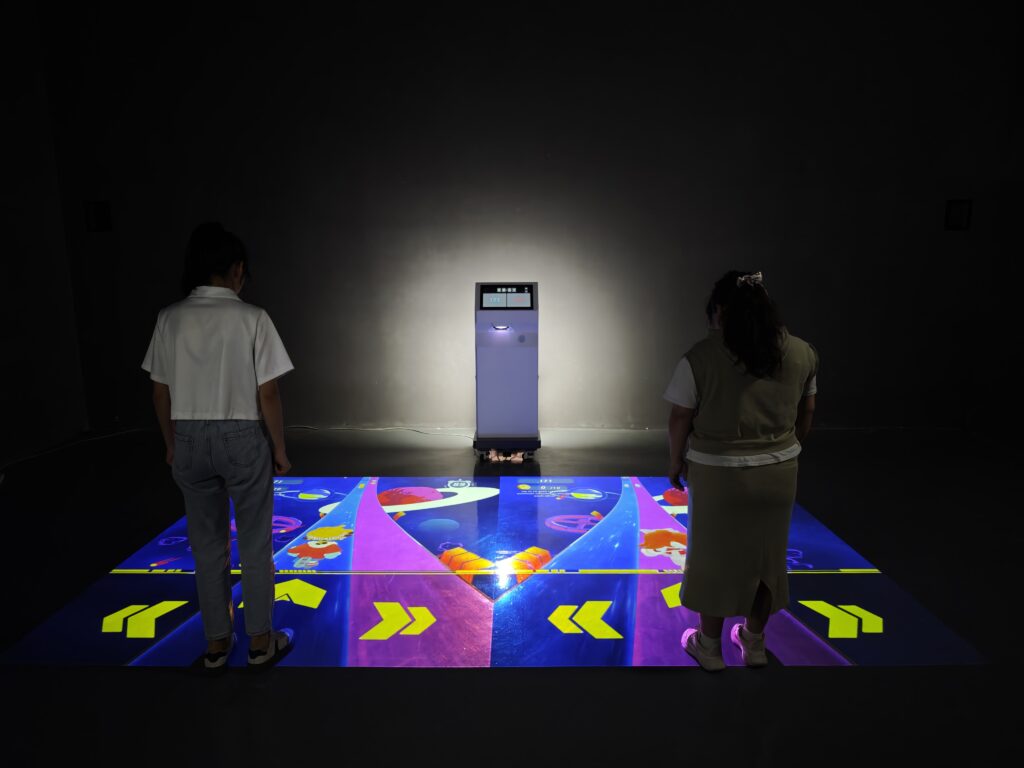
⚙️ How Do Operational and Sensory Principles of Interactive Floor Display Machine Work?
🧩 Operational and Sensory Principles of Interactive Floor Display Machine Demystified
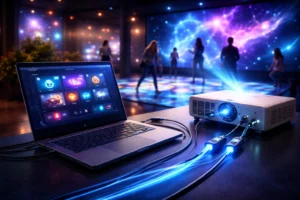
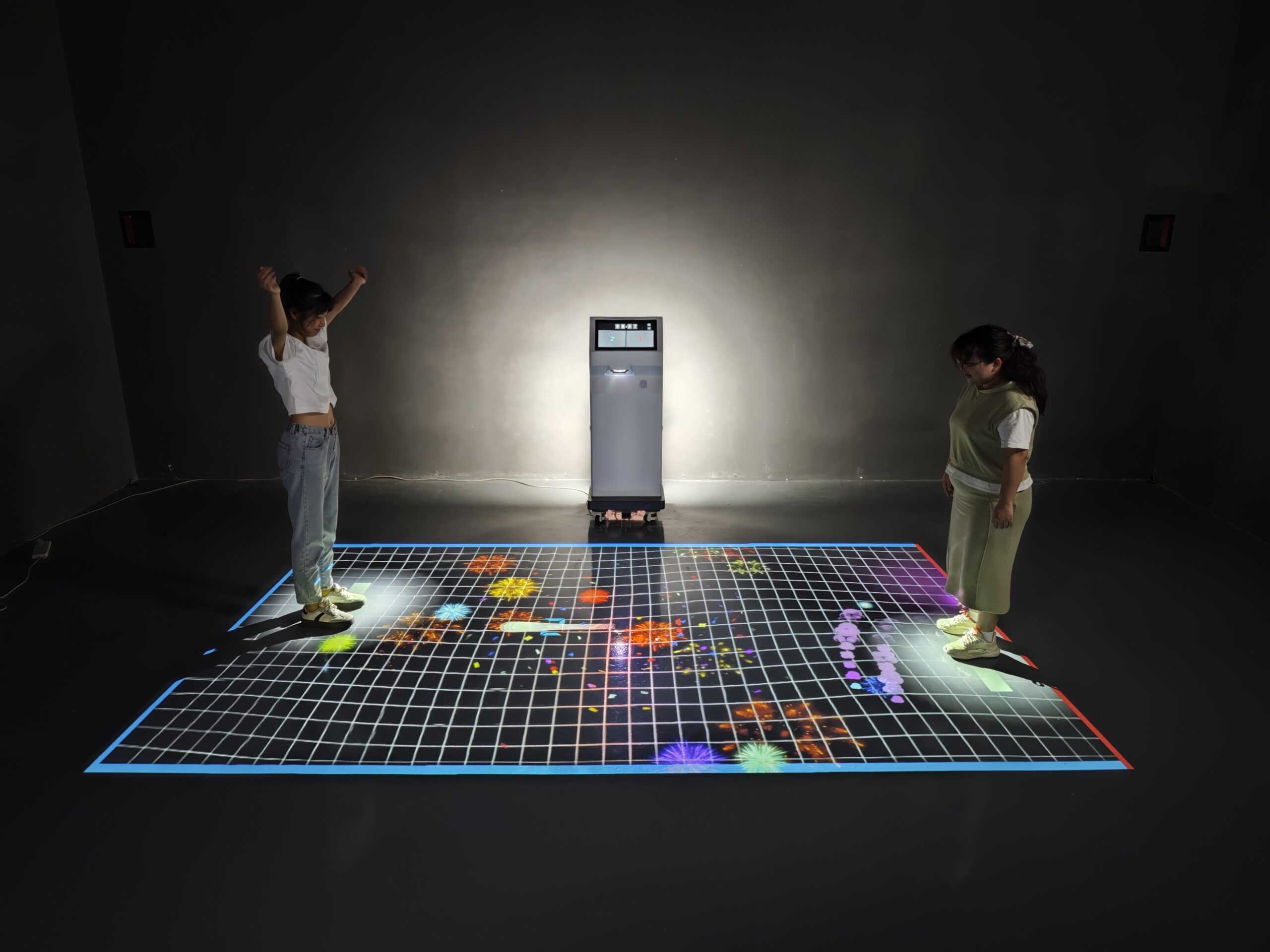
At the core of every interactive floor display machine is a smart interaction system combining hardware and software.
Main system components include:
- 🎥 High-Lumen Projector – Projects vivid visuals onto the floor
- 📡 Motion or Infrared Sensors – Detect movement, steps, and gestures
- 🖥 Industrial Control Unit – Runs the interactive software
- 🎮 Interactive Game Software – Controls logic, scoring, and effects
How interaction happens (step-by-step):
- 👣 A child steps onto the projected game area
- 📡 Sensors capture motion data in real time
- 🧠 The system processes movement instantly
- ✨ Visual and sound feedback responds on the floor
- 🎯 The game continues dynamically based on player actions

🎮 Why Is Interactive Floor Game Software Critical to User Experience?
💡 Why Software Defines the Quality of the Entire System?
While hardware matters, software is the soul of any interactive floor display machine.
High-quality interactive game software offers:
- 🔄 Regular Game Updates (seasonal & themed content)
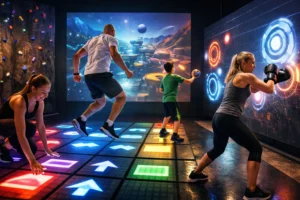
- 👨👩👧 Multiplayer Support (team or competitive modes)
- 🧩 Educational Modules (numbers, colors, reaction training)
- 🌈 Customizable Difficulty Levels
💼 How Can Operators Profit from Mobile Interactive Floor Display Systems?
📈 How Does This System Improve Revenue and Engagement?
From a business perspective, mobile interactive floor display machines are not just games—they are revenue engines.
Key commercial benefits include:
- 🏷 Attraction Differentiation – Stand out from competitors
- ⏱ High Replay Rate – Kids return for new games
- 🧾 Flexible Pricing Models – Per play, hourly, or bundled tickets
- 🛍 Easy Upselling – Combine with party packages or memberships
Because the system is mobile, operators can test different layouts, reposition hotspots, and continuously optimize engagement—something fixed systems cannot match.
Most systems support children aged 3–12, with adjustable difficulty for different developmental stages.
Typically 10–30 square meters, depending on projector throw ratio and game design.
Yes. Mobility is a core advantage—simply move and redeploy the system.
Absolutely. Non-slip projections and touch-free interaction reduce physical risk.
Most suppliers, including onecraze, provide regular software updates and new game content.