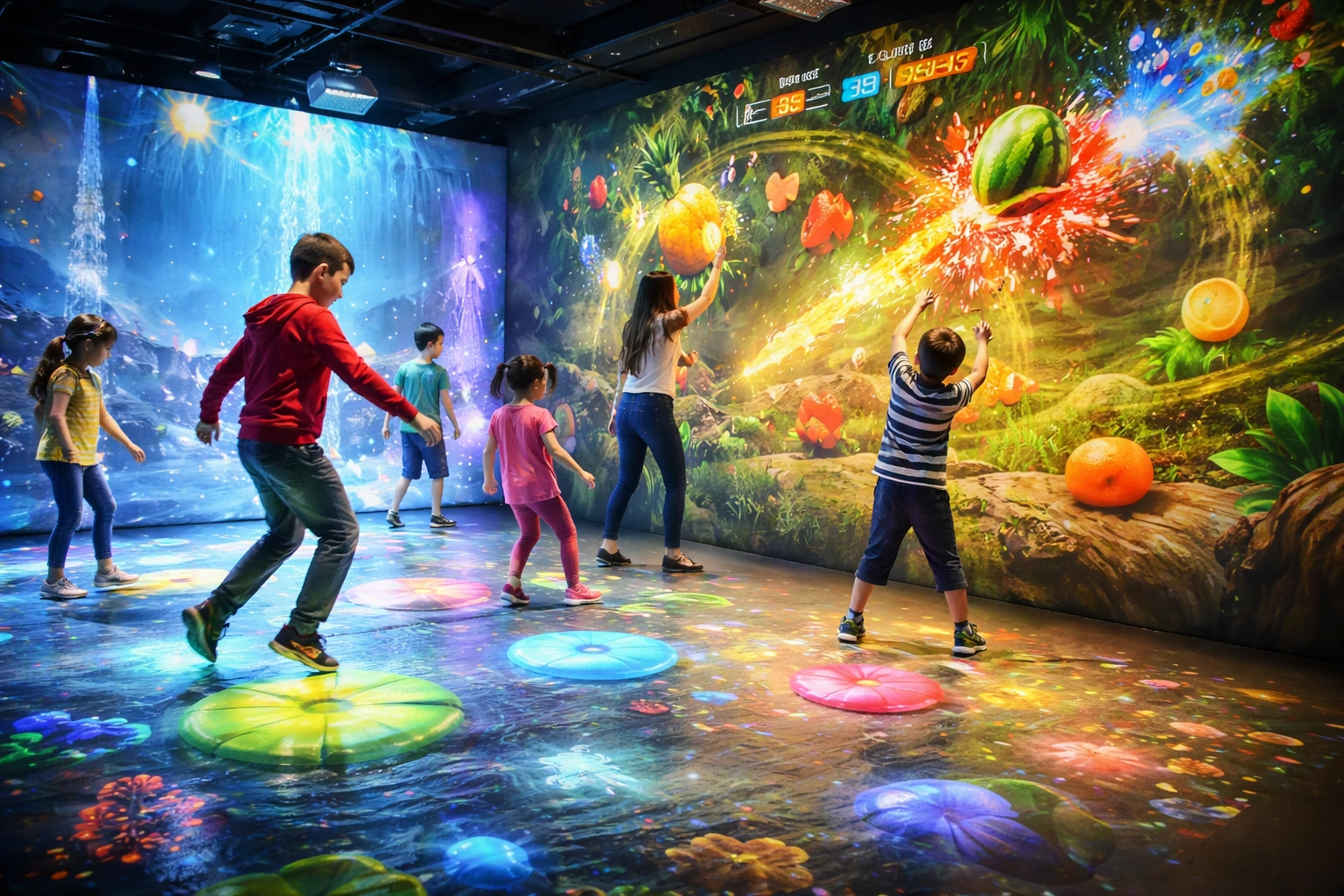
❓ What Is the Core Software System Behind Interactive Floor and Wall Projector Games?
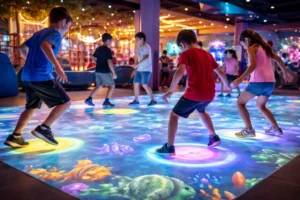
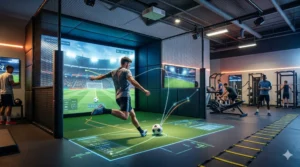
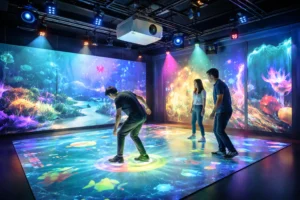
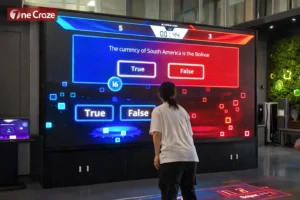
Interactive floor and wall projector games rely on a real-time software system that connects hardware inputs with dynamic visual outputs. Unlike traditional projection, these systems respond instantly to user movements.
🔧 Core Software Components Include:
- Motion detection algorithms
- Pressure-sensitive floor mapping
- Multi-player interaction logic
- Real-time rendering engine
- Content management dashboard
❓ How Do Interactive Floor Projector Game Machine Modes Enhance Player Engagement?
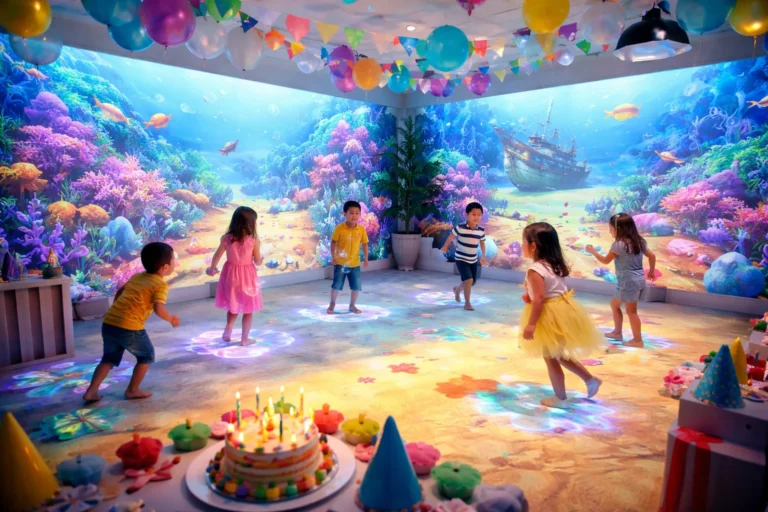
One of the biggest advantages of modern interactive systems is the variety of interactive floor projector game machine modes available.
🎯 Common Game Modes Supported by Software:
- Single-player reaction games
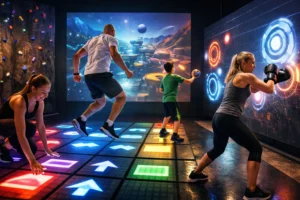
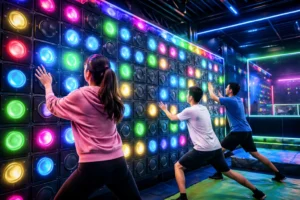
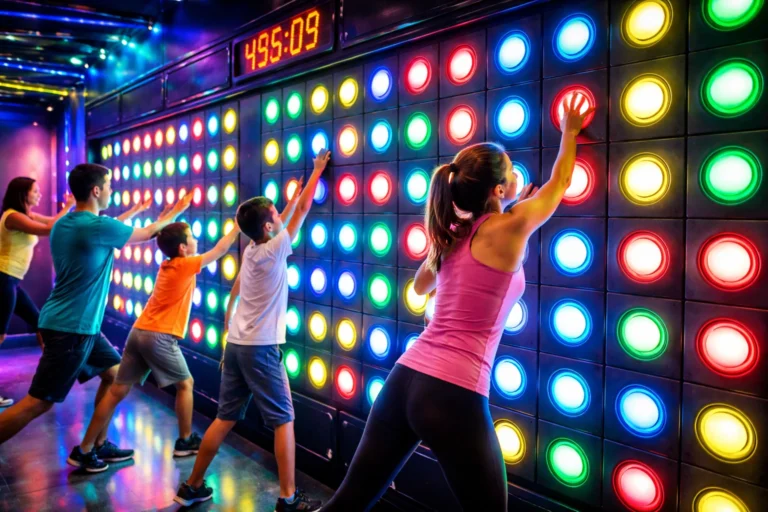
- Multi-player competitive challenges
- Team-based cooperative games
- Time-based scoring modes
- AI-adaptive difficulty modes
🧠 Advanced game software can dynamically adjust:
- Speed
- Sensitivity
- Difficulty
- Visual feedback

❓ Why Is Customized Interactive Pressure-Sensitive Floor Game Software So Important?
Not all venues are the same — and customized interactive pressure-sensitive floor game software ensures the system fits your space, audience, and business model.
🧩 Customization Capabilities Include:
- Floor size & shape mapping
- Sensitivity calibration
- Custom game rules
- Branding & UI themes
- Language localization
❓ What Are Immersive Wall Projector Installation Solutions from a Software Perspective?
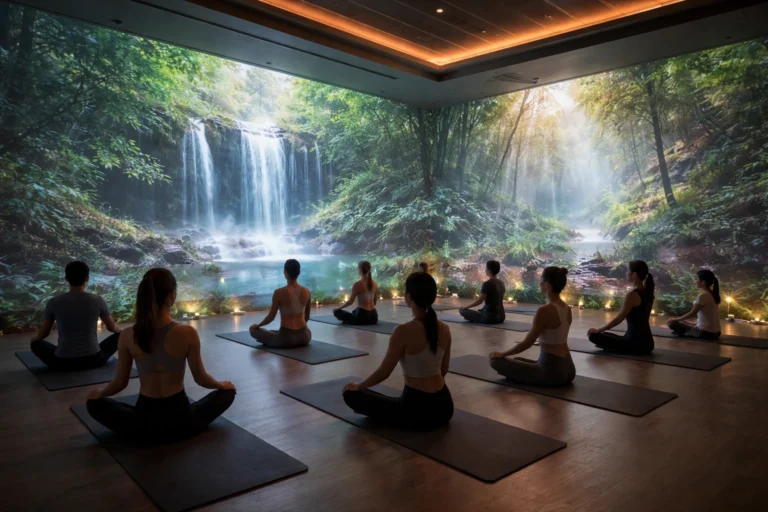
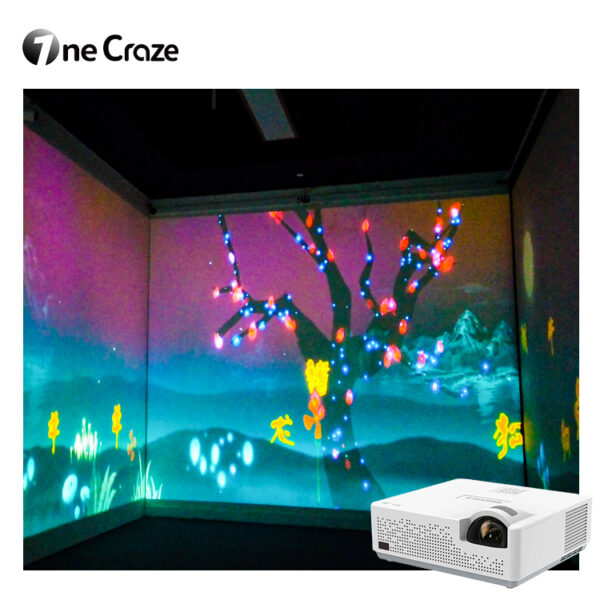
While hardware defines projection quality, immersive wall projector installation solutions depend heavily on software precision.
🖥️ Software Functions for Wall Projection:
- Multi-angle projection correction
- Edge blending & alignment
- Gesture recognition tracking
- Wall-to-floor interaction sync
- With the right software, wall games become:
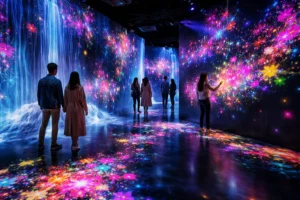
- Fully immersive
- Physically engaging
- Safe for all age groups
❓ How Does Interactive Projector Game Software Compare to Traditional Arcade Systems?
📊 Interactive Projector Software Comparison Table
| Feature | Interactive Projector Software | Traditional Arcade Games |
|---|---|---|
| Content Updates | ✅ Easy software updates | ❌ Fixed hardware |
| Customization | ⭐ High | ⚠️ Limited |
| Space Usage | ✔ Flexible floor/wall | ❌ Fixed cabinet |
| Multiplayer Support | ✅ Native | ⚠️ Optional |
| ROI Potential | 🔥 High | Medium |
| Maintenance Cost | 💰 Low | 💰💰 Higher |
❓ What Are the Latest Trends in Interactive Projector Game Software?
- 🔥 The latest trends shaping the market include:
- AI-driven adaptive gameplay
- Cross-platform content updates
- Data analytics dashboards
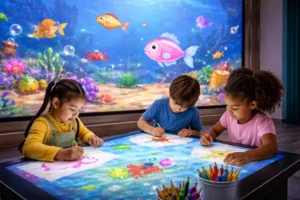
- Gamification for education & fitness
- Modular game libraries
Yes. The system supports adjustable difficulty, making it ideal for kids, teens, and adults in entertainment and educational settings.
Absolutely. Customized UI, branding, and exclusive game content are fully supported.
No. New games are added through software updates, saving time and cost.
Most immersive floor and wall projector installations take 1–3 days depending on space size.
Yes. Hybrid systems allow synchronized floor and wall gameplay via one software platform.
With regular updates, professional software systems can run efficiently for 5–8 years or more.