What Is a Book Projector and Why Is It Becoming More Popular?
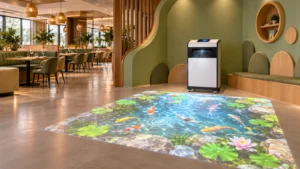
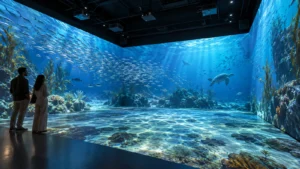
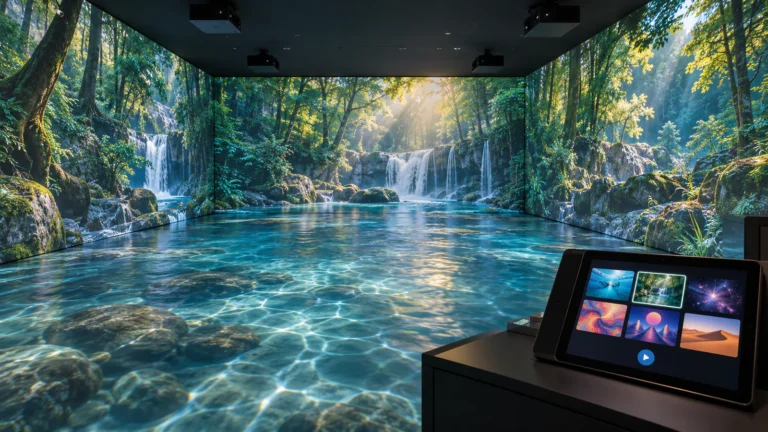
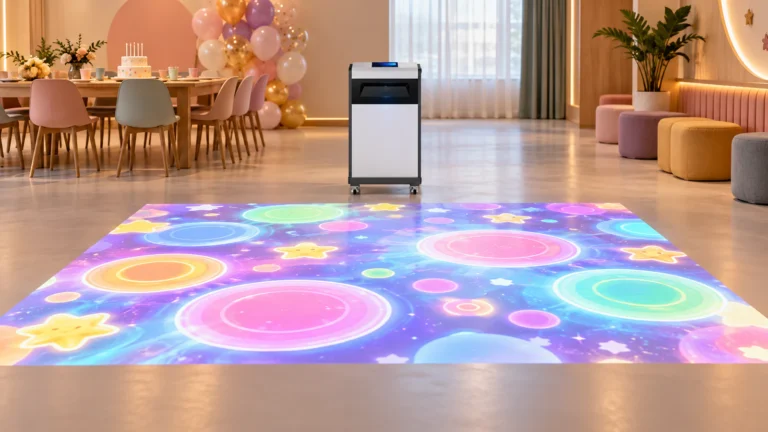
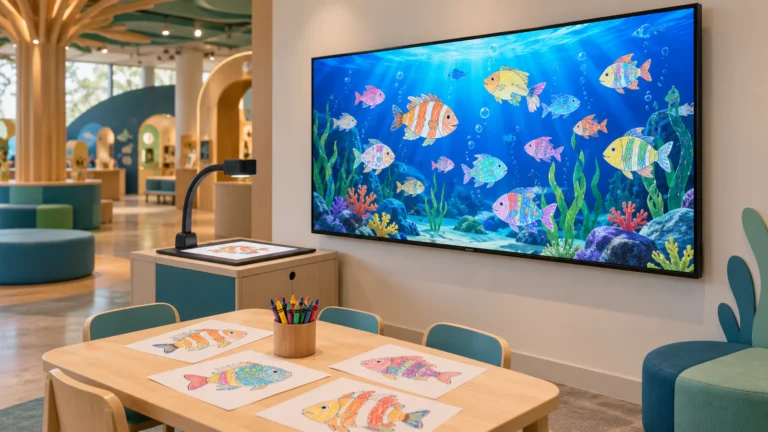
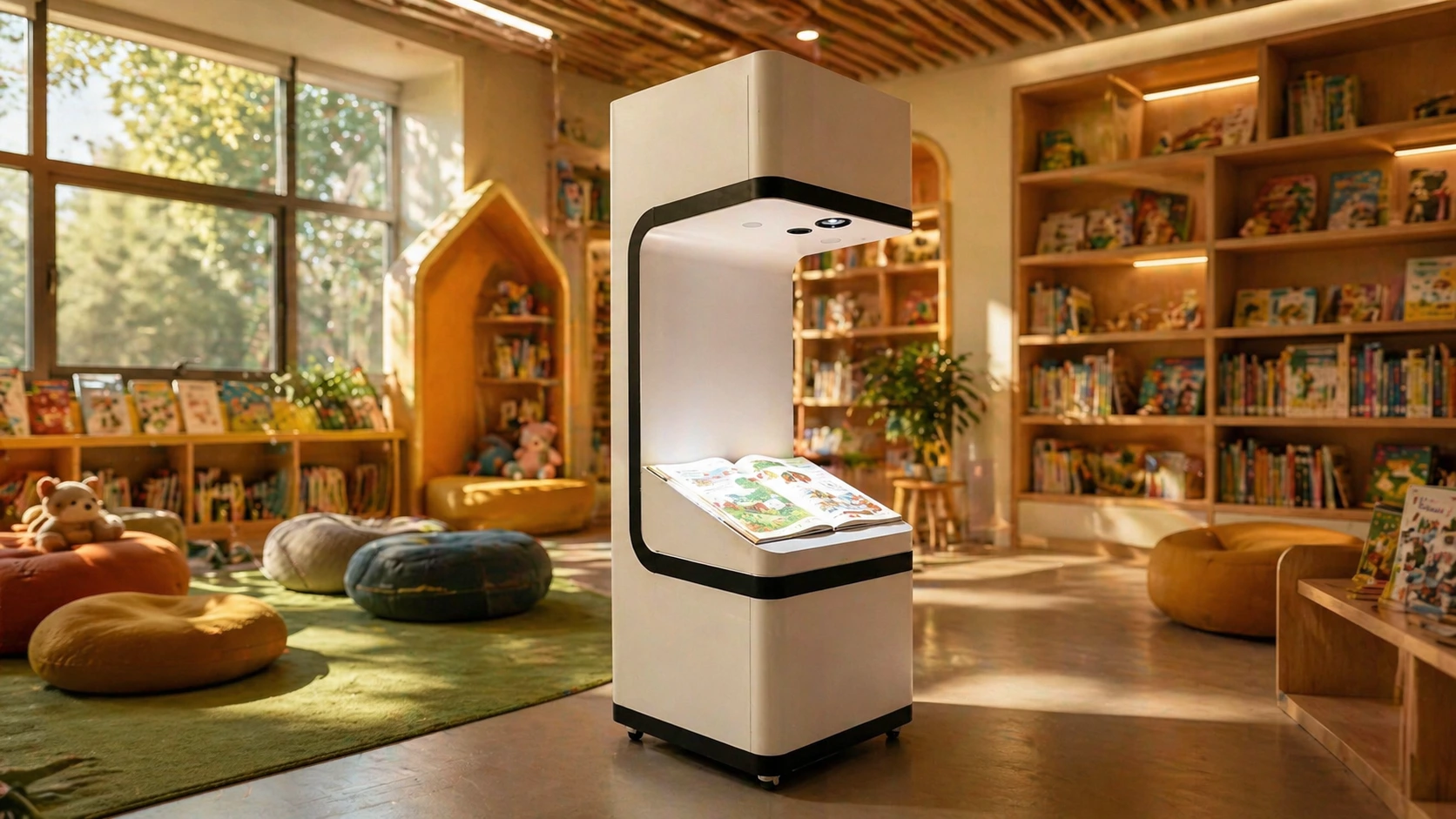
A book projector is a projection-based system designed to enhance books, stories, learning materials, and reading environments. In some settings, it projects animated visuals, text, or themed effects onto walls, tables, floors, or nearby surfaces to support reading and storytelling. In other settings, it works as part of an interactive educational system that makes books feel more alive and engaging.
Today, more schools, libraries, and cultural venues want to modernize their reading spaces. Therefore, they look for tools that can attract children, encourage participation, and support visual learning. A book projector meets these needs because it blends storytelling, education, and design. Furthermore, it gives institutions a practical way to upgrade traditional spaces without completely rebuilding them.
Why the book projector trend is growing
- It makes reading areas more immersive
- It supports interactive teaching and storytelling
- It helps libraries and schools modernize their spaces
- It improves engagement for children and group activities
- It adds visual value to museums, bookstores, and exhibitions
How Does a Book Projectors Work in Reading and Learning Spaces?
A book projectors works by projecting visual content that supports the reading experience. For example, it can display illustrations, moving backgrounds, letters, educational graphics, or themed story effects near a book presentation area. As a result, readers no longer interact with text alone. Instead, they experience a combination of words, light, motion, and atmosphere.
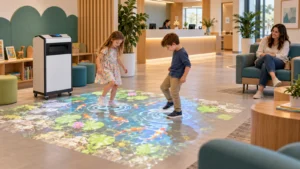
In educational settings, teachers often use projected visuals to explain stories, introduce vocabulary, or create a themed lesson environment. Similarly, libraries can use a book projector to build a storytelling corner where children sit inside a projected scene while listening to a story. In museums or cultural exhibitions, the same technology can turn historical texts or picture books into dynamic visual narratives. Consequently, the book projector becomes both a reading tool and a space design solution.
A book projector may support
- Story-based visual projection
- Interactive reading experiences
- Animated learning backgrounds
- Page-inspired wall or floor effects
- Group storytelling sessions
- Educational visual displays
Where Can a Book Projector Be Used?
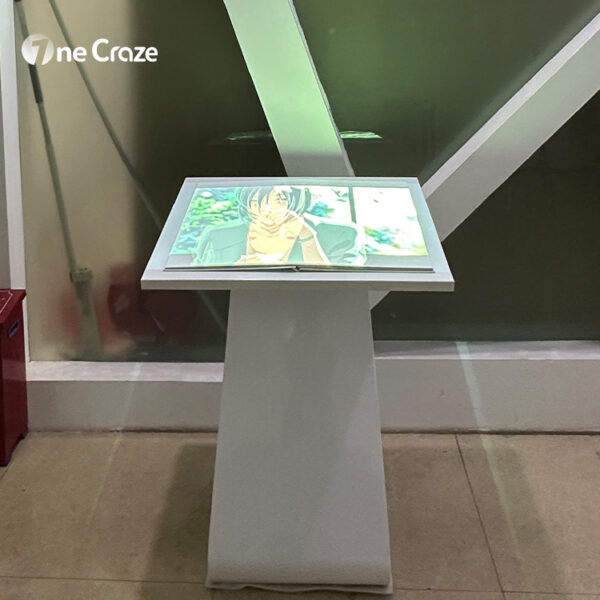
In schools, a book projector can improve reading engagement and classroom storytelling. In libraries, it can turn quiet reading corners into interactive zones for children’s programs. Meanwhile, museums and exhibitions can use projected storytelling to explain culture, history, or literature in a more visual way. Even bookstores can use a book projector for themed promotion, seasonal displays, and children’s reading events.
Common use cases for a book projector
- Schools – reading classes, language learning, group storytelling
- Libraries – digital story corners, children’s reading zones
- Museums – visual interpretation of books, documents, and culture
- Bookstores – immersive product displays and promotional storytelling
- Children’s centers – playful learning and sensory reading activities
- Homes – creative bedtime stories and parent-child learning time
Book Projector vs Traditional Reading Display Methods
Traditional reading displays still have value. Printed posters, shelves, book stands, and themed decorations all play an important role in libraries and classrooms. However, they usually remain static. They cannot easily change mood, movement, or interaction. As a result, they often struggle to hold attention for longer periods, especially in children’s environments.
A book projector offers a more dynamic solution. It can refresh content quickly, create atmosphere instantly, and support group engagement. Moreover, it gives educators and designers more flexibility. Instead of rebuilding a space physically every time they want a new theme, they can simply update the projected content. Therefore, a book projector often becomes a more scalable and creative display method.
Book Projector vs Traditional Reading Display
| Feature | Book Projector | Traditional Reading Display |
|---|---|---|
| Visual Attraction | High | Low to Medium |
| Interactive Potential | Strong | Very Limited |
| Storytelling Effect | Dynamic and immersive | Static |
| Flexibility of Content | Easy to update | Hard to change |
| Group Learning Support | Strong | Moderate |
| Space Transformation | Fast and creative | Limited |
| Suitability for modern libraries | Very suitable | Basic |
How Can a Book Projector Improve Engagement and Learning?
Engagement matters because attention drives learning. If children lose focus, the reading session becomes passive. However, when a book projector adds movement, color, and environmental storytelling, the reading moment becomes more active. Students look, listen, respond, and imagine more deeply. Consequently, the space itself starts supporting learning.
Benefits of using a book projector
- Encourages active participation
- Makes reading more visual and memorable
- Supports group storytelling and classroom learning
- Enhances library and classroom design
- Helps children connect emotionally with stories
- Transforms static book displays into immersive experiences
A book projector enhances reading and storytelling spaces by adding projected visuals, atmosphere, and sometimes interactive content to support books and educational activities.
Yes. Schools and libraries often use book projectors to improve engagement, support storytelling, and create more immersive reading environments.
Yes. Bookstores and museums can use a book projector for themed displays, visual storytelling, and interactive visitor experiences.