What Is an Interactive Floor Projection System?
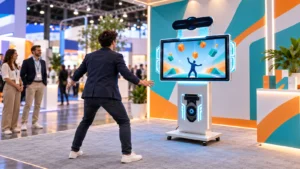
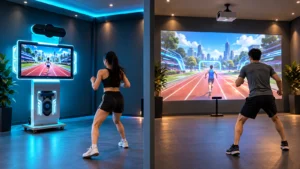
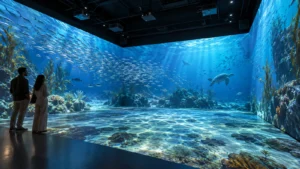
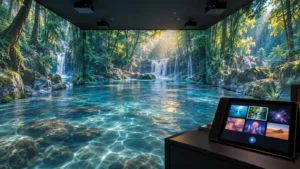
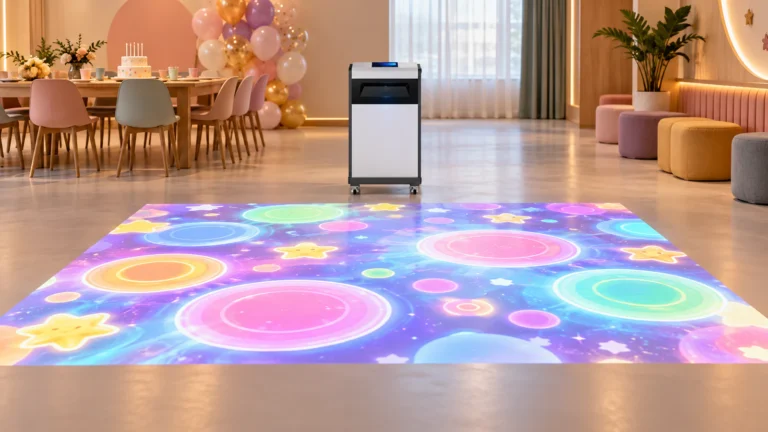
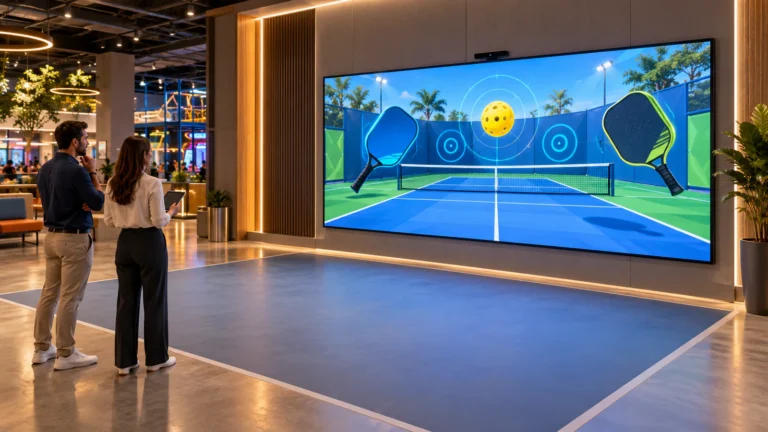
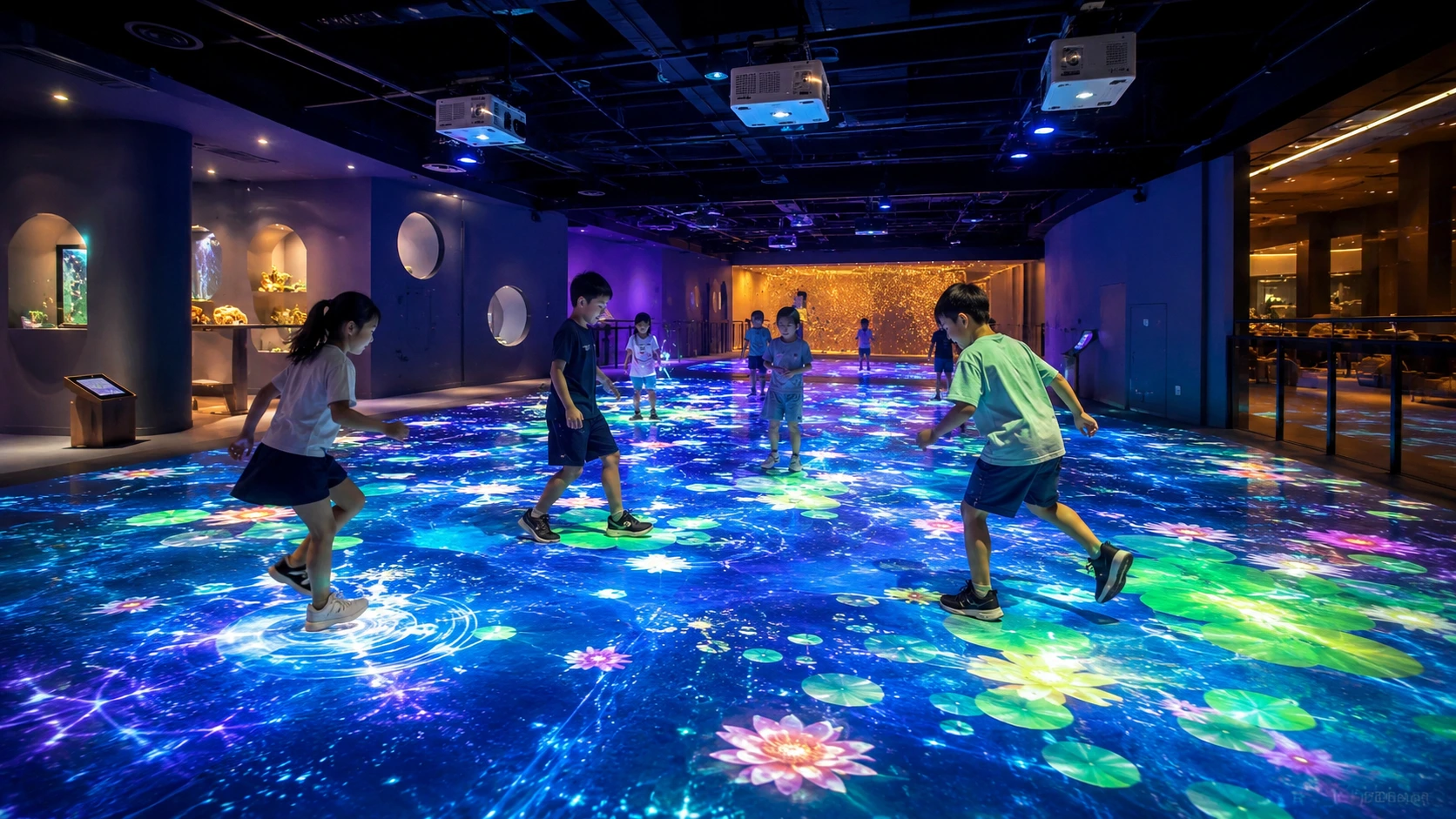
An interactive floor projection system is a combination of projector hardware, motion-sensing technology, and interactive software that projects responsive visual content onto the floor. When people walk, jump, run, or step on the projected area, the system detects movement and triggers animations, effects, or games in real time. Because of this, the floor becomes a playful and immersive digital surface.
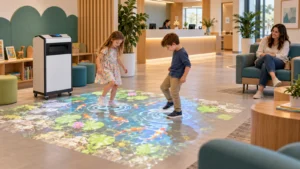
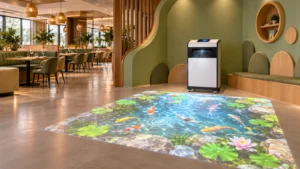
Unlike a standard projector, this type of system does much more than display content. It creates interaction. For example, children can chase fish, kick virtual balls, splash digital water, or trigger colorful visual effects simply by moving across the floor. In commercial spaces, brands can also use the same system for themed promotions, event activations, and customer engagement. Therefore, the keyword interactive floor projection system is closely connected not only to technology, but also to revenue-generating venue design.
How Does an Interactive Floor Projection Systems Work?
The working principle is relatively simple, although the final effect feels highly advanced. First, a projector displays digital content onto the floor area. Next, a sensor or camera tracks movement inside the projection zone. Then, the software processes that movement and instantly changes the visuals. As a result, the projected content reacts naturally to people’s actions.
This real-time interaction is what makes the system attractive. For example, if a child steps on projected leaves, the leaves may scatter. If someone runs through projected water, ripples may spread across the floor. Moreover, operators can switch between different games, educational themes, sports challenges, and branded effects depending on the purpose of the venue. Because of this flexibility, an interactive floor projection systems works well in both entertainment and educational environments.
Main components of the system
- Projector unit
- Motion sensor or tracking camera
- Interactive floor software
- Content library or game package
- Mounting or portable installation structure
- Control system for switching programs
Why Is an Interactive Floor Projection Systems Better Than a Traditional Floor Attraction?
Traditional attractions often require fixed construction, large equipment, or high maintenance. In contrast, an interactive floor projection systems can create a fresh digital attraction without permanently changing the venue structure. Therefore, it gives operators more flexibility and lower upgrade barriers.
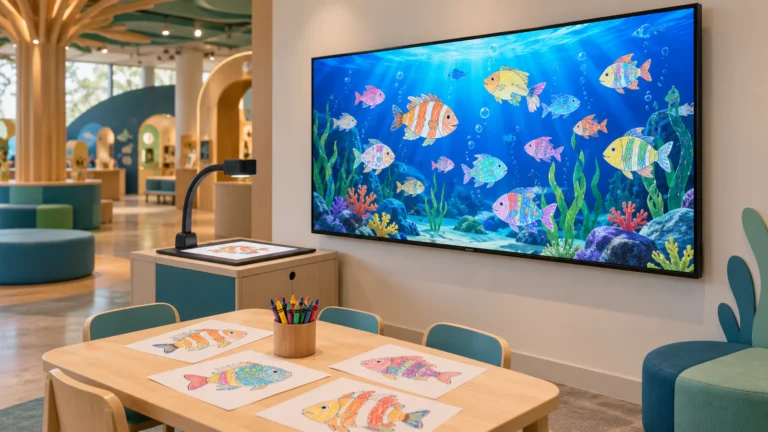
In addition, this type of solution supports content updates. Instead of replacing a physical attraction, you can simply change the software theme or game design. For example, a shopping mall can use one visual theme for summer campaigns, another for holiday events, and another for brand promotions. Similarly, a school can switch from fun games to learning activities. As a result, the same system can support many business goals over time.
Key advantages
- Creates immersive visual interaction
- Increases dwell time and visitor participation
- Supports multiple games and content themes
- Suitable for children and adults
- Easy to refresh with new software content
- Can fit many different venue types

Where Can an Interactive Floor Projection System Be Used?
One of the biggest strengths of this product is its wide range of applications. Because it combines digital visuals with physical movement, it fits many industries that want engagement, entertainment, or educational value. Therefore, it is not limited to one market.
Popular application scenarios
- Indoor playgrounds
- Family entertainment centers
- Shopping malls
- Schools and kindergartens
- Museums and exhibitions
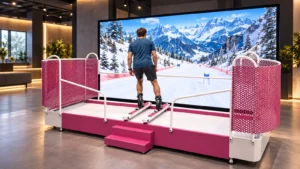
- Interactive sports and game rooms
- Children’s hospitals or therapy spaces
- Event and brand activation areas
Interactive Floor Projection System vs Traditional LED or Static Play Areas
LED floors can look impressive, but they usually require a larger hardware budget and more structural planning. Static play areas may attract users initially, but they lack changeable content and digital freshness. By contrast, an interactive floor projection system allows operators to refresh the experience with new games and themes while keeping installation relatively adaptable.
| Feature | Interactive Floor Projection System | Static Play Area | LED Floor |
|---|---|---|---|
| Visual Interaction | High | Low | High |
| Content Flexibility | High | Very Low | Medium |
| Software Updates | Yes | No | Limited |
| Installation Complexity | Medium | Low | High |
| Game Variety | High | Low | Medium |
| Suitable for Promotions | Yes | Limited | Yes |
| Cost Flexibility | Good | Good | Lower flexibility |
It is used to create interactive floor games, immersive visual effects, educational activities, and branded engagement experiences in venues such as schools, malls, museums, and indoor playgrounds.
Yes. It is highly suitable for commercial venues because it increases visitor interaction, supports themed promotions, and creates memorable experiences.
Yes. Many suppliers provide a complete solution that includes hardware, motion sensing, software, and customizable content packages.