Why Are Interactive Wall Projectors Becoming Popular in Sport Teaching Programs? 🤔
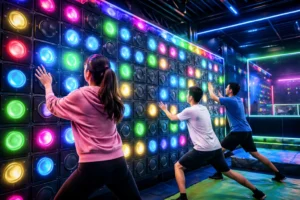
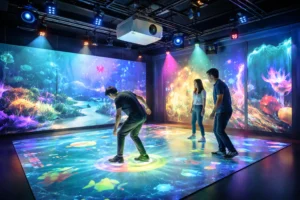
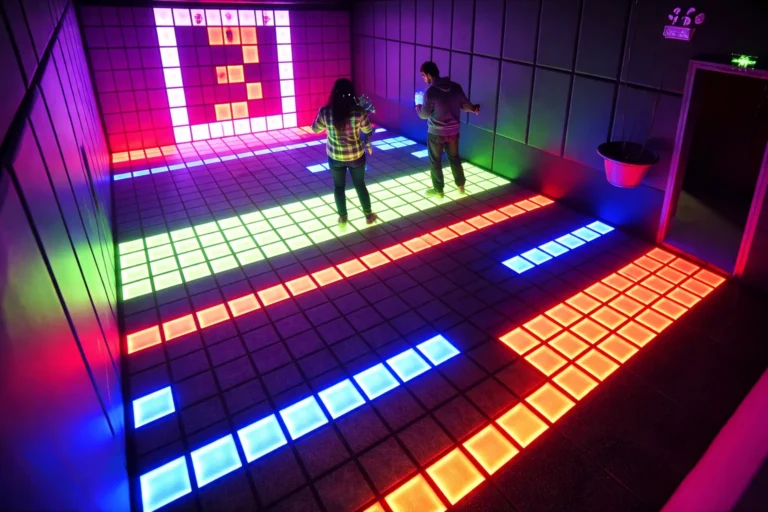
Traditional sport instruction often relies on repetitive drills, verbal explanation, and limited visual feedback. However, interactive projector on wall systems change this approach entirely.
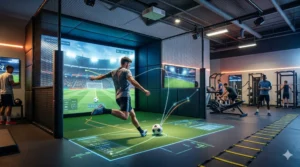
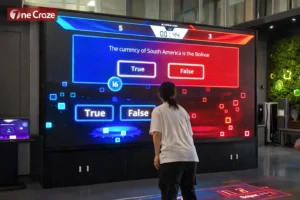
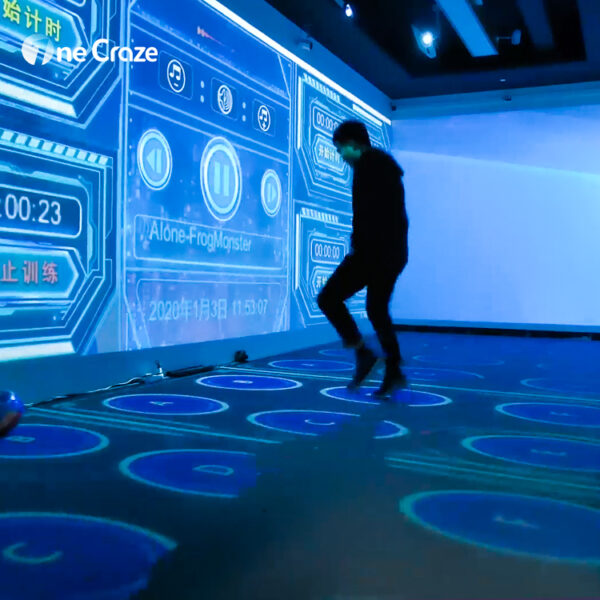
First, they transform a plain wall into a dynamic sport training interface. Second, they use motion tracking and software-driven game logic to guide students in real time. As a result, students engage more actively, learn faster, and remain motivated longer.
Moreover, schools and training centers can now buy one system that supports multiple sports, difficulty levels, and age groups—making it a cost-effective long-term investment despite the initial price.
✨ Key reasons for popularity:
- Gamified learning improves focus
- Real-time feedback enhances skills
- Digital content updates keep programs fresh
- One system supports multiple sport games
What Configuration Options for Interactive Projector on Wall Are Available? ⚙️
When planning an installation, understanding Configuration Options for Interactive Projector on Wall is essential. A flexible configuration allows the system to adapt to different spaces and teaching goals.
🔧 Common Configuration Elements
- Short-throw or ultra-short-throw projector
- Motion sensor or AI camera
- Interactive wall software
- Dedicated control PC or media box
- Audio system for feedback & scoring
What Projector System Is Required for Interactive Sport Instruction Program? 📽️
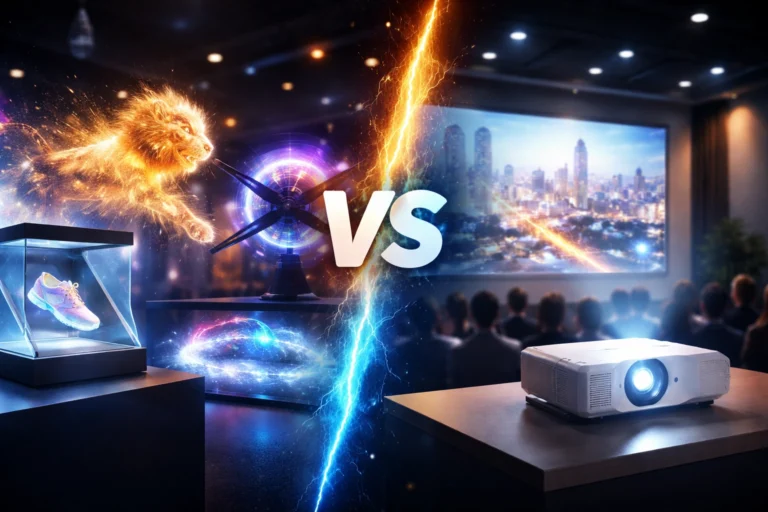
Choosing the right Projector System Required for Interactive Sport Instruction Program directly affects image clarity, responsiveness, and user experience.
📌 Recommended Specifications
- Brightness: 4000–6000 ANSI lumens
- Resolution: Full HD or higher
- Projection ratio: Short-throw preferred
- Low latency for fast motion tracking
How Does Game Program for Interactive Teaching and Training Projector on Wall Work? 🎮
A strong Game Program for Interactive Teaching and Training Projector on Wall is what transforms hardware into a powerful teaching tool.
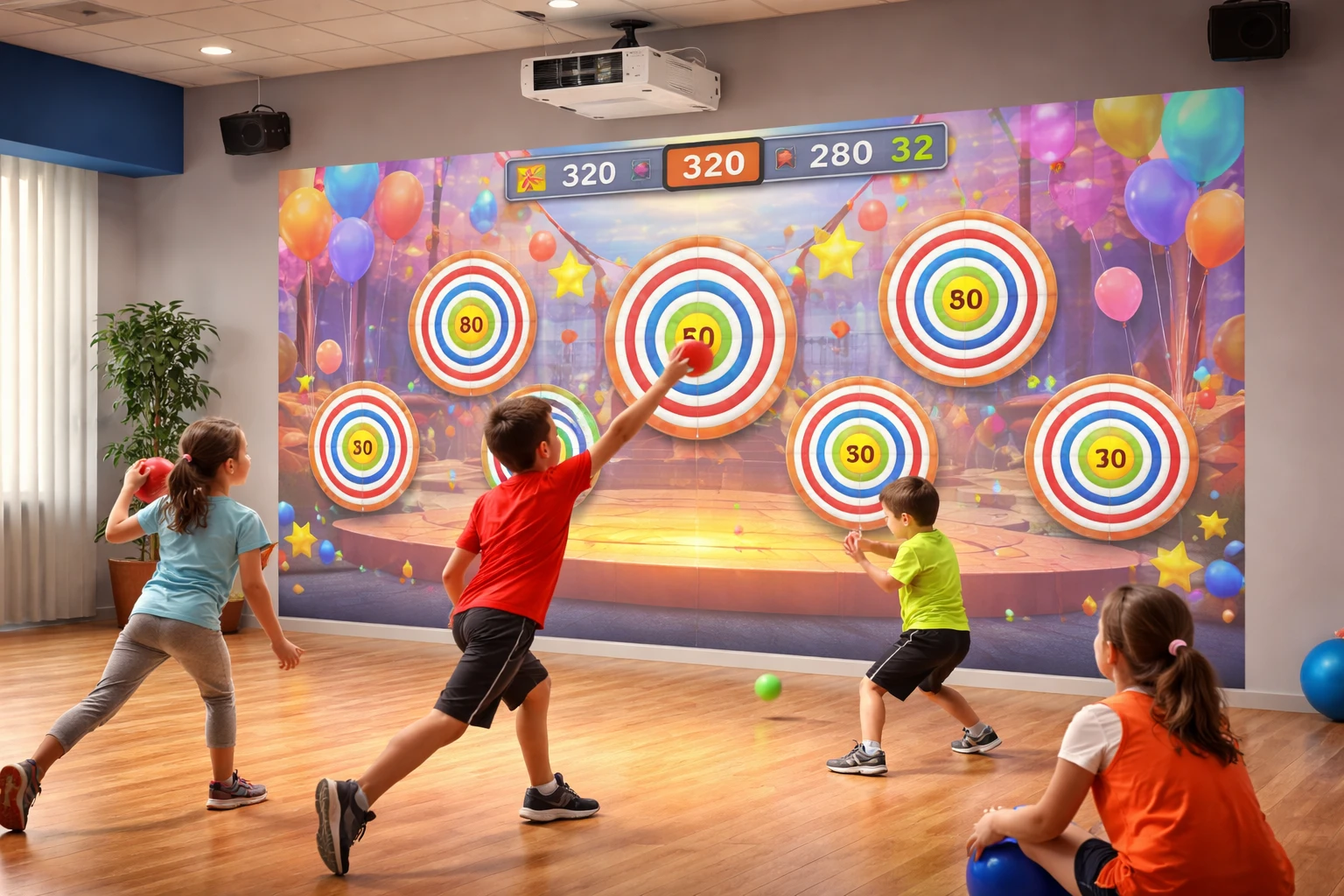
Instead of static drills, students participate in goal-oriented sport games such as:
- Reaction speed challenges
- Target-based throwing games
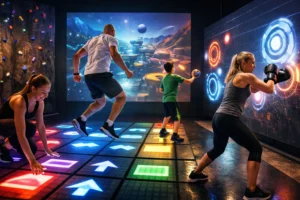
- Agility and footwork drills
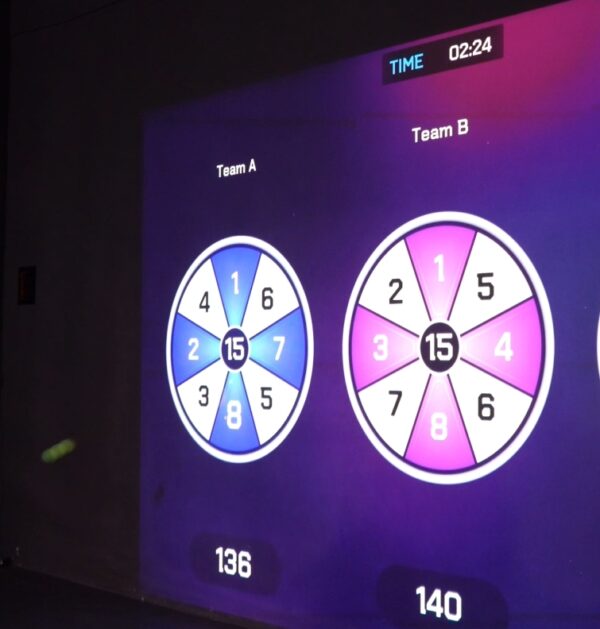
- Team competition modes
Each game adjusts difficulty automatically, ensuring inclusivity for beginners and challenges for advanced students.
🔥 Why game programs matter:
- Increase participation rates
- Encourage teamwork
- Track performance data
- Support structured lesson plans
How Does an Interactive Wall Sport System Compare to Traditional Teaching? 📊
To better understand the value, consider the comparison below:
| Aspect | Traditional Sport Teaching | Interactive Wall Sport System |
|---|---|---|
| Engagement | Moderate | ⭐⭐⭐⭐⭐ High |
| Feedback Speed | Manual | Real-time digital |
| Teaching Variety | Limited drills | Multi-game programs |
| Data Tracking | None | Automatic reports |
| Update Capability | Fixed | Software updates |
| Long-term Value | Medium | High ROI |
What Real-World Applications Are Best for Interactive Wall Sport Systems? 🏫
These systems are widely used in:
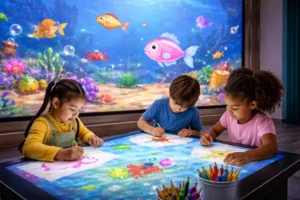
- Primary and secondary schools
- Sports training centers
- Rehabilitation facilities
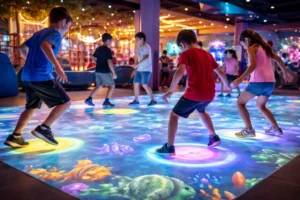
- Indoor playgrounds
- Community sport hubs
Yes. A single system can include multiple sport game modules through software upgrades.
Absolutely. Professional systems use non-contact motion sensing and child-safe brightness levels.
Most suppliers provide regular updates to keep content fresh and aligned with the latest teaching methods.
No. High-brightness projectors work well in standard indoor lighting.
Yes. Many manufacturers offer custom software development options.
Not at all. Most systems are designed for plug-and-play operation with remote support.