🌋 What Makes a Dinos Alive Immersive Museum Experience So Powerful?
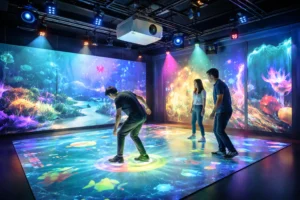
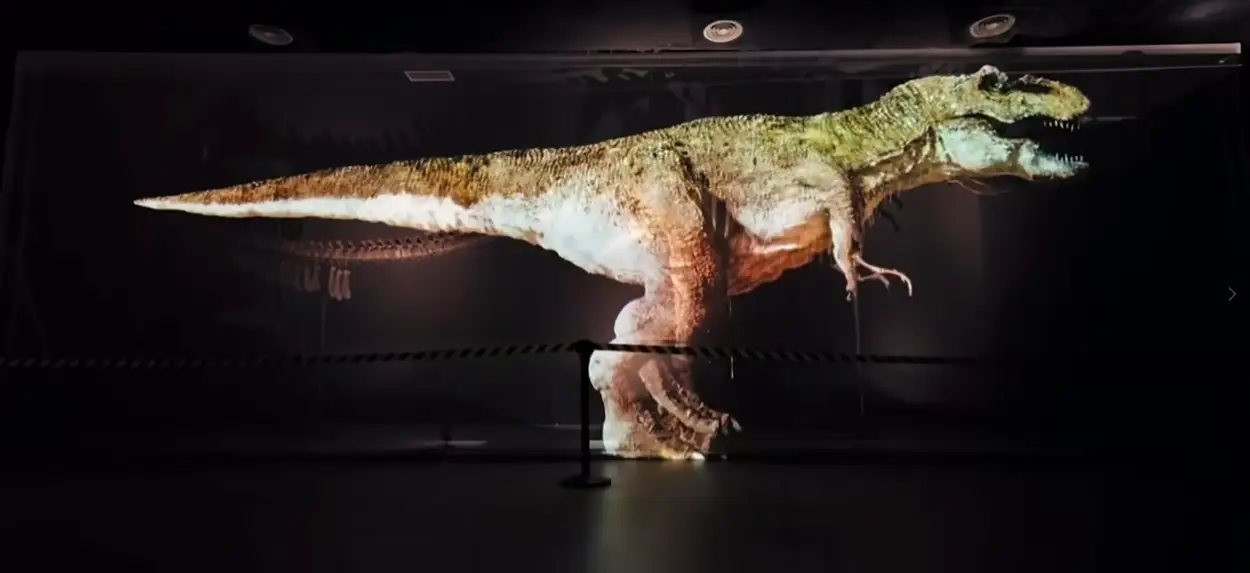
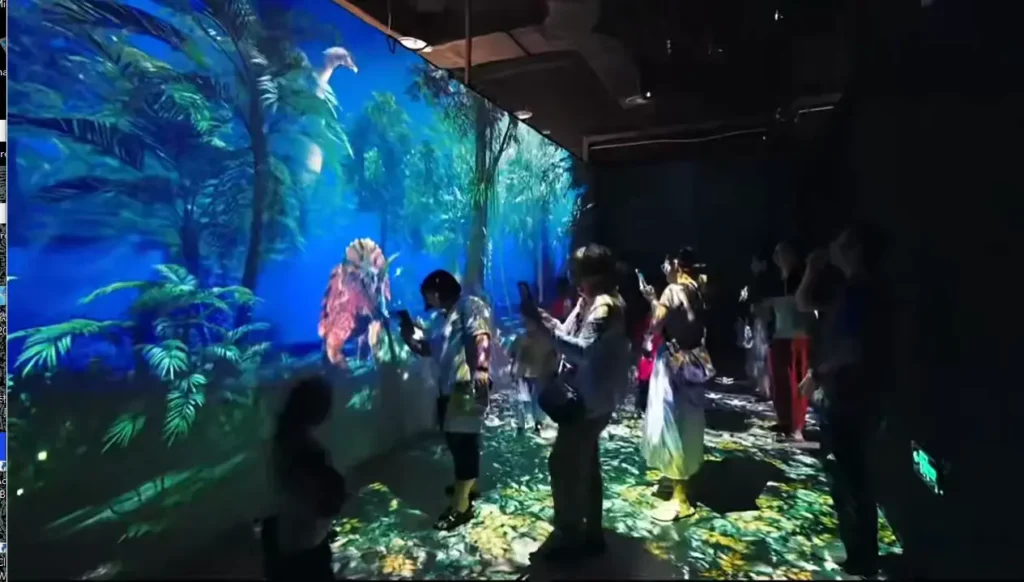
An immersive dinosaur experience is more than animatronic figures. It is a synchronized projection system that transforms walls, floors, domes, and ceilings into prehistoric worlds.
Using high-lumen projectors, motion tracking sensors, and real-time rendering software, museums can create:
- 🌋 Volcanic eruptions
- 🌧️ Dynamic weather changes
- 🦕 Roaming dinosaurs reacting to visitors
- 🐾 Interactive fossil discovery game zones
- 🌌 360° surround projection mapping
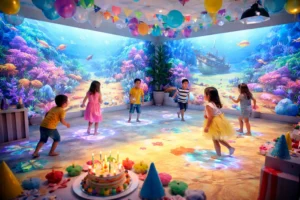
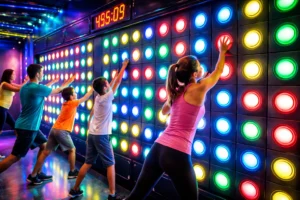
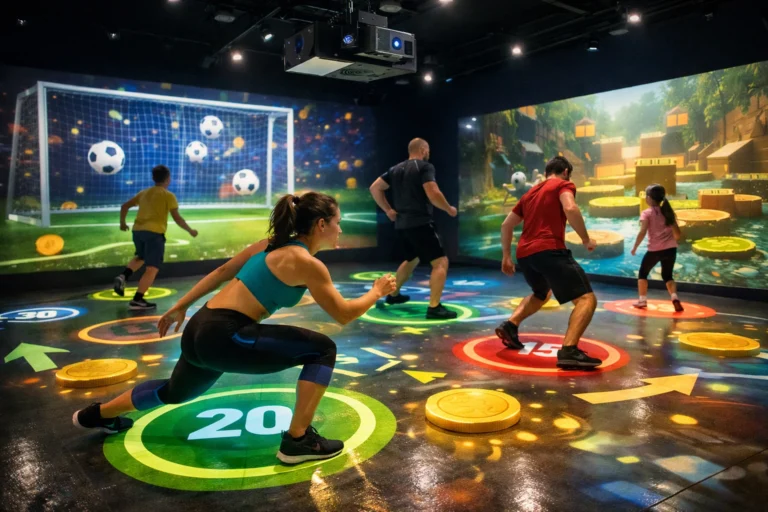
Instead of passive observation, visitors actively participate. For example, children can stomp on projected dinosaur eggs to trigger animations. Families can explore an AR-based excavation game. These experiences increase dwell time and repeat visits.
🎯 How Does the Projector System Work in an Immersive Dinos Alive Interactive Effects Setup?
An immersive mapping installation typically includes:
- High-brightness laser projectors (7,000–20,000 lumens)
- Media servers for synchronized playback
- Motion detection sensors
- Edge-blending technology
- Interactive software engine
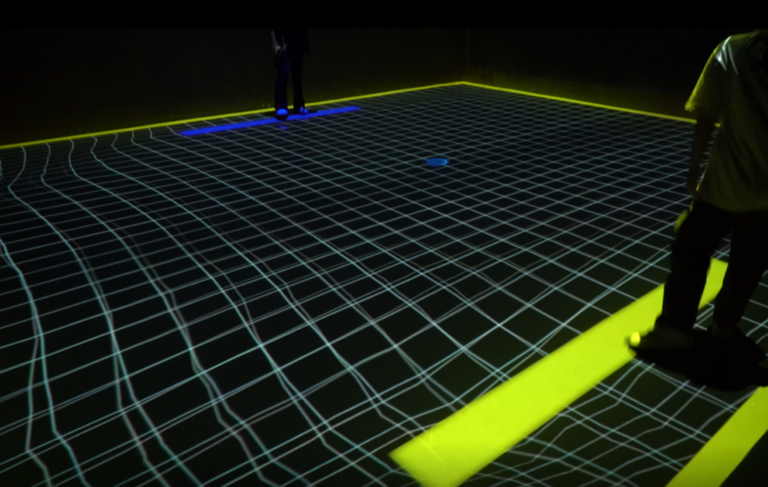
The entire system operates as one synchronized environment. When a child walks across the projected floor, the sensor detects movement. Immediately, the software triggers a responsive dinosaur animation.

🏗️ What Core Zones Should Be Included in a Dinos Alive Immersive Museum Experience?
To maximize engagement and revenue, consider dividing the museum into themed zones:
1️⃣ 🌎 Prehistoric World Entrance Tunnel
- 3D projection mapping walls
- Fog and surround audio
- Countdown meteor animation
2️⃣ 🦴 Fossil Excavation Interactive Game Zone
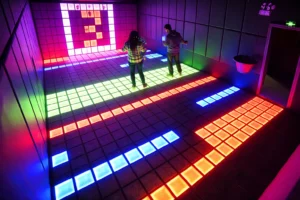
- Floor projection dig simulation
- Team-based excavation game
- Score tracking system
3️⃣ 🦕 Dinosaur Habitat Immersive Hall
- 360° projection dome
- Moving jungle scenes
- AI-driven dinosaur behavior
4️⃣ 🔬 Educational Science Lab
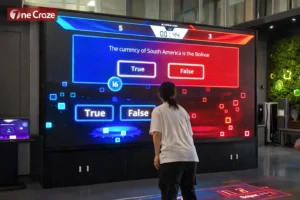
- Interactive quiz software
- Touchless gesture-based learning
- Real-time multiplayer mode
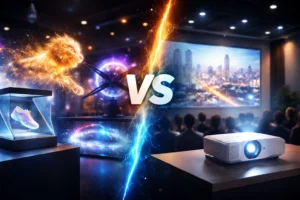
📊 What Are the Advantages and Disadvantages of a Projector-Based Dinosaur Experience?
Below is a comparison table to help investors evaluate the solution:
| Category | Advantages ✅ | Disadvantages ⚠️ |
|---|---|---|
| Flexibility | Easy content updates via software | Requires professional calibration |
| Cost Structure | Lower structural cost vs animatronics | Initial system price may vary |
| Maintenance | Minimal mechanical wear | Requires periodic projector cleaning |
| Scalability | Expandable modular design | Needs trained operator |
| Revenue Potential | High ticket value & interactive game monetization | Requires marketing strategy |
🎮 How Can Interactive Game Mechanics Increase Visitor Retention?
Static exhibitions struggle to maintain attention. However, gamification changes everything.
For example:
- Dinosaur egg hatching competition 🥚
- Meteor defense team battle ☄️
- Fossil digging race ⛏️
- Prehistoric survival simulation game 🌿
These mechanics encourage repeat visits and social media sharing.
❓ Are There Customization Options for Different Market Needs?
We support:
- Budget-friendly compact versions
- High-end dome immersive theaters
- Mobile exhibition containers
- Mall-ready pop-up modules
- Customized dinosaur IP integration
Because projection mapping relies on software rather than physical sculpture, themes can evolve without rebuilding infrastructure.
Most installations require 7,000–20,000 lumens depending on room lighting conditions.
Yes, AR and projection mapping can work together to enhance visitor interaction.
Typically 2–6 weeks depending on project scale and customization requirements.