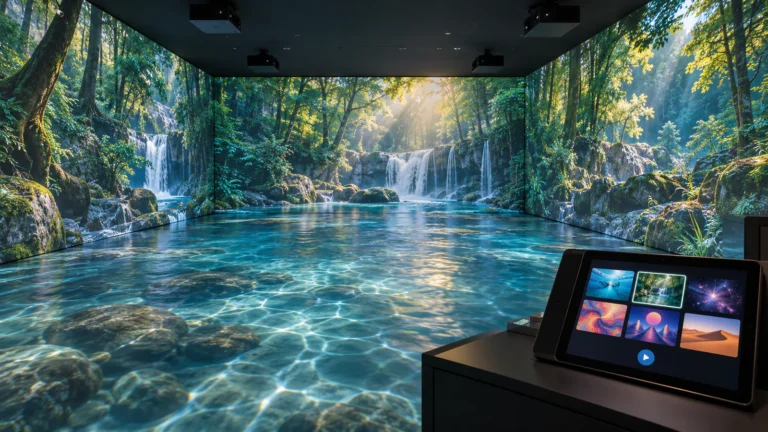
What Is a Projection Mapping Projector?
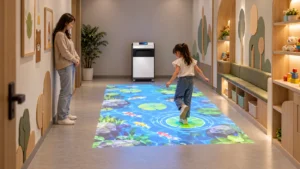
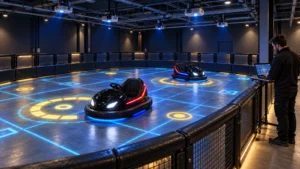
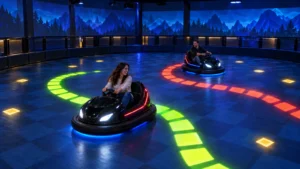
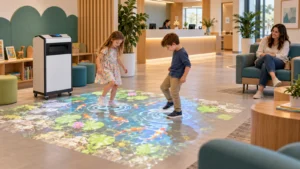
A projection mapping projector is a projector used to display customized visual content onto irregular surfaces such as walls, floors, ceilings, facades, dining tables, sculptures, or themed structures. Unlike standard projection, projection mapping is designed to fit the shape, size, and geometry of a surface. As a result, the projected content appears integrated with the architecture or object itself.
Today, projection mapping projector systems are widely used in:
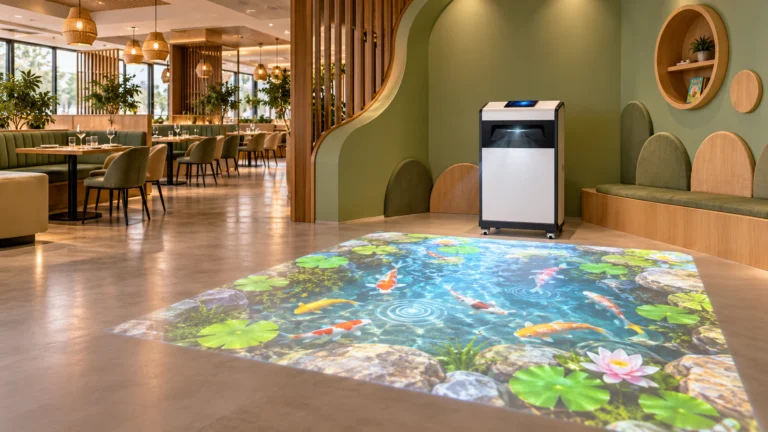
- immersive dining experiences
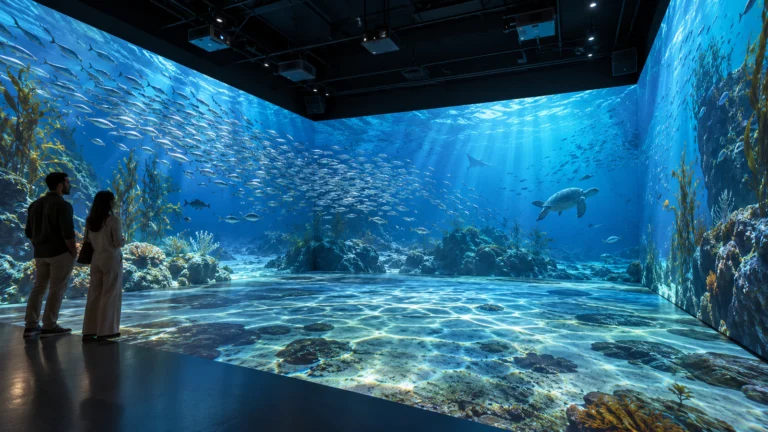
- museum exhibitions
- commercial events
- wedding stage design
- theme parks
- retail displays
- building facade shows
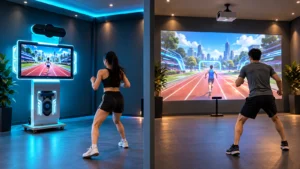
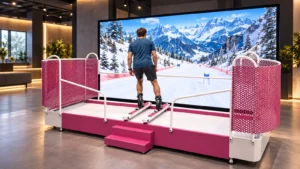
- interactive game rooms
Why Choosing the Right Projection Mapping Projector Matters
Many buyers focus only on price, but that often leads to poor project results. A lower price may seem attractive at first. However, if the projector cannot deliver enough brightness, the final image may lack impact. Likewise, if the throw ratio does not fit the space, installation becomes difficult and expensive.
The right projection mapping projector helps you:
- achieve brighter and sharper visuals
- reduce installation problems
- improve image alignment
- support longer daily operation
- lower maintenance cost over time
- create a better visitor experience
- protect your investment
For example, a restaurant mapping system may need a compact short-throw projector with stable color performance, while an outdoor facade show may require a much higher brightness laser projector with weather-protected installation planning. In other words, different projects require different projector solutions.

Brightness: The First Factor You Should Check
When people buy a projection mapping projector, brightness is often the first specification they notice. This is correct, because brightness plays a major role in the visibility of the final effect.
Brightness is usually measured in lumens. The higher the lumen output, the brighter the projected image. However, brighter is not always better unless it matches the environment.
Indoor projects
For indoor mapping applications such as restaurants, exhibition rooms, party venues, and immersive art spaces, moderate brightness may be enough if ambient light is controlled. In darker rooms, the projection can look strong even with a lower-lumen system.
Outdoor projects
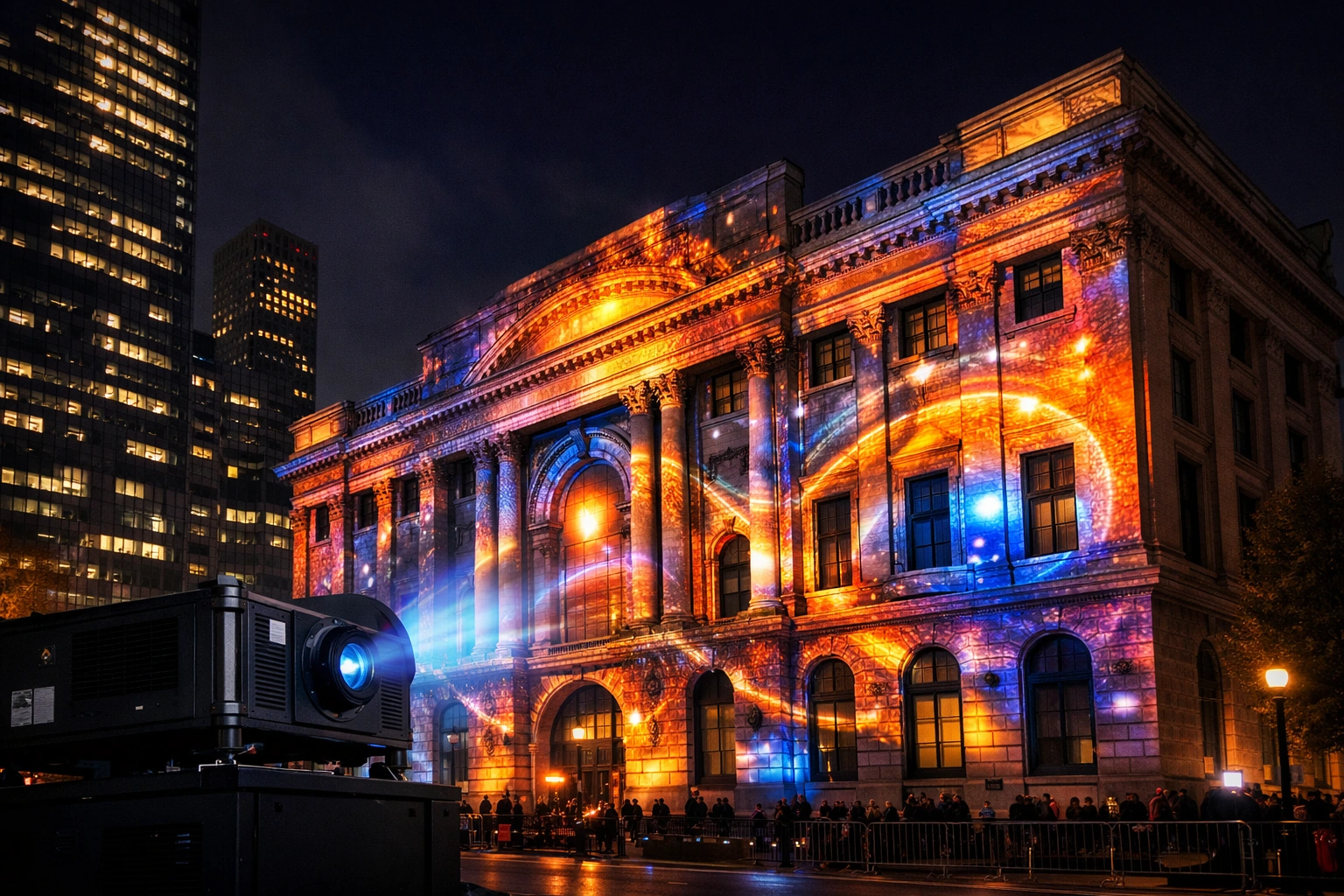
For outdoor projection mapping, brightness requirements are much higher. Street lighting, building materials, viewing distance, and surrounding environmental light all reduce visual impact. Therefore, outdoor applications usually require a more powerful projection mapping projector.
Throw Ratio: The Most Overlooked Buying Decision
Throw ratio is one of the most important factors in projector mapping, yet many buyers ignore it until installation begins.
Short throw projector
short throw projection mapping projector is ideal when:
- installation space is limited
- the projector must be placed close to the wall or object
- you want to reduce shadows
- you need a cleaner interior layout
throw models are often used in:
- restaurants
- small exhibition rooms
- interactive wall games
- indoor brand display spaces
Standard throw projector
standard throw projector is often used when:
- there is enough installation distance
- the surface is large
- the venue layout allows rear or ceiling mounting
- the buyer wants flexible lens selection
This type is common in:
- stage design
- event halls
- building projection
- larger immersive spaces
Resolution and Image Quality: Why Sharpness Still Matters
projection mapping show is not only about brightness. Image quality also matters. If the content includes textures, animated details, branding, product visuals, or immersive storytelling, resolution becomes important.
high-quality projection mapping projector helps improve:
- image sharpness
- edge clarity
- text readability
- pattern detail
- overall visual depth
For simple ambient effects, extremely high resolution may not always be necessary. However, for premium commercial projects, better image quality helps create a more professional impression.
This is especially important for:
- museum exhibits
- luxury dining experiences
- branded event installations
- retail visual merchandising
- digital art spaces
Indoor vs Outdoor Projection Mapping Projector Requirements
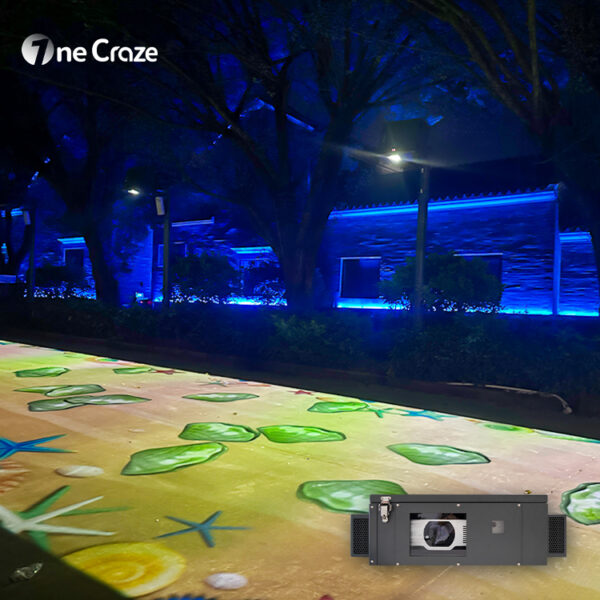
Not all mapping projects face the same environmental challenges. Therefore, indoor and outdoor use should be planned separately.
Indoor projection mapping projector needs
Indoor projects usually focus on:
- controlled lighting
- limited installation distance
- stable temperature
- lower weather risk
- decorative and immersive impact
These projects may prioritize:
- short throw options
- quiet operation
- color richness
- compact design
- easy ceiling mounting
Outdoor projection mapping projector needs
Outdoor projects usually demand:
- stronger brightness
- larger image coverage
- longer projection distance
- more durable setup planning
- better resistance to environmental interference
These projects often require:
- higher lumen output
- more advanced lens flexibility
- stronger installation support
- better cooling and reliability
- professional system integration
The best brightness depends on the environment. Indoor dark spaces need less brightness than outdoor or high-ambient-light venues. The right level should match the installation conditions and audience viewing distance.
A short throw projector is better when the installation space is limited or when you need the projector close to the wall or object. However, larger venues may benefit more from standard throw or interchangeable lens systems.
If your project runs for long hours or is intended for commercial use, a laser projector is often the better choice because it offers longer life, more stable brightness, and lower maintenance.