Why Is Immersive Room Video Mapping Becoming One of the Best New Experience Systems?
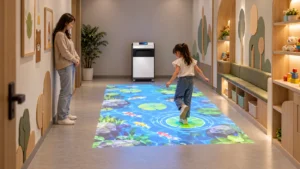
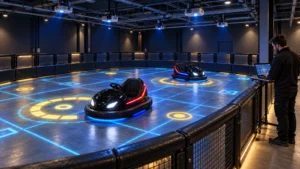
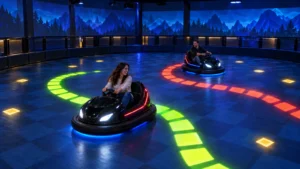
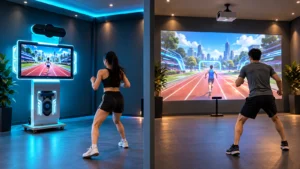
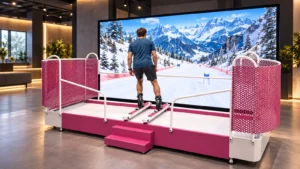
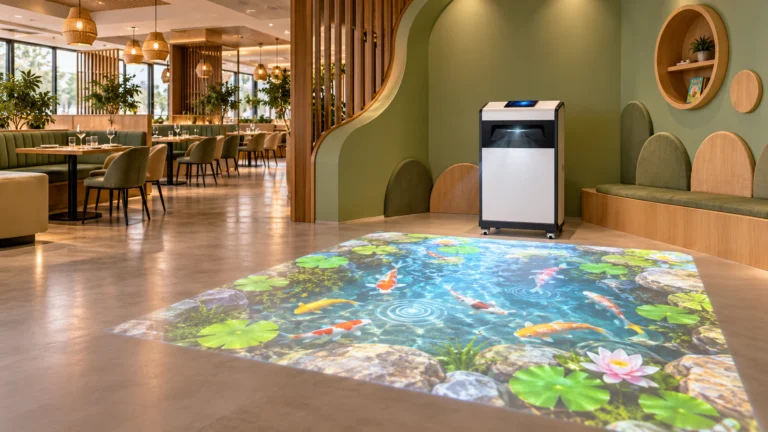
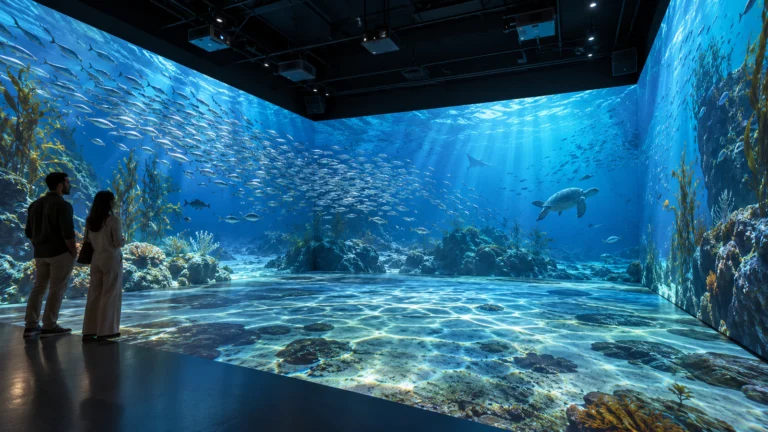
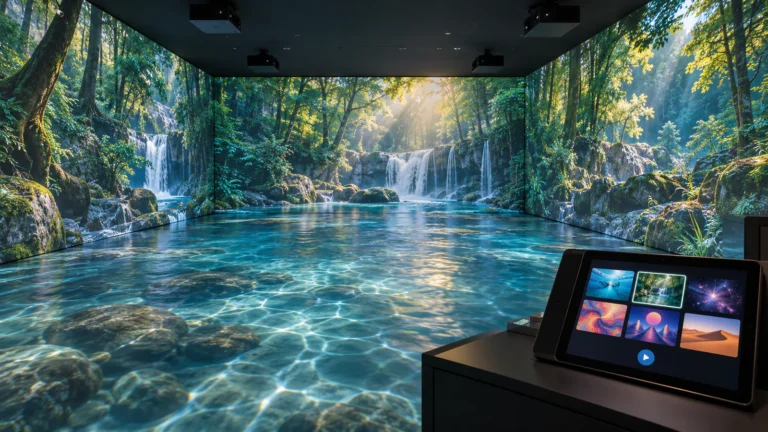
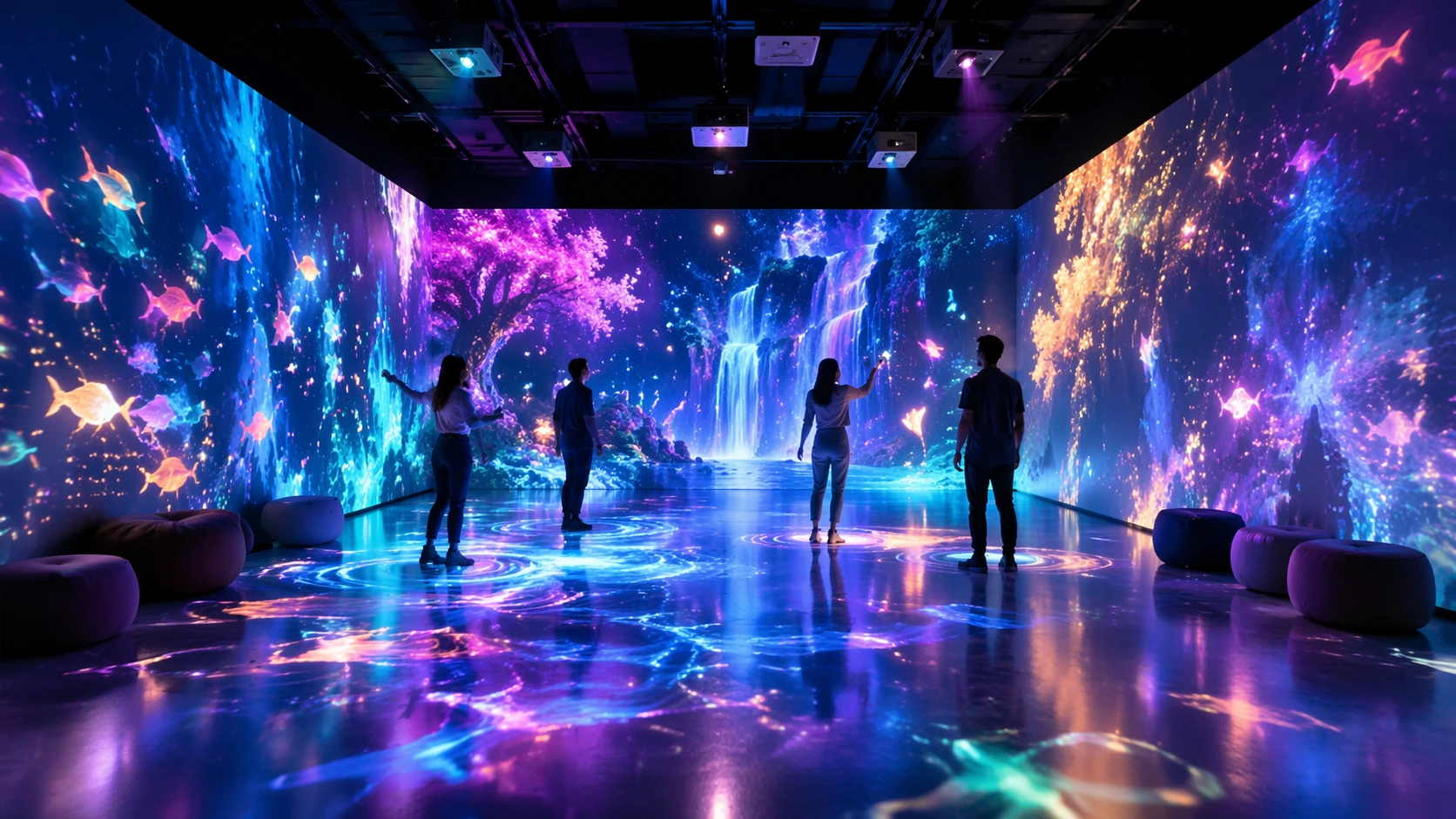
Immersive room video mapping has rapidly become one of the best ways to transform an ordinary room into a fully engaging visual environment. Instead of using static décor or traditional screens, this system uses projectors, media servers, sensors, and customized software to cover walls, floors, and even ceilings with dynamic digital content.
As a result, visitors no longer simply observe a space. They enter it, move within it, and emotionally respond to it.
This is especially important because the modern customer wants more than passive entertainment. Whether in a museum, a children’s experience center, a branded pop-up, or an immersive art venue, visitors now expect shareable, interactive, and story-driven spaces. Consequently, immersive room video mapping has become a highly attractive option for operators who want to increase dwell time, raise brand value, and create unique visitor memories.
the OneCraze understands this demand clearly. Instead of selling fragmented equipment from a random store, the brand develops integrated room mapping solutions that align content, hardware, and interaction logic into one complete project. Therefore, buyers can move beyond simple projection and create spaces that feel alive.
What Makes OneCraze a Professional Company for Immersive Room Video Mapping Make Solution?
OneCraze stands out because it does not approach immersive room building as a one-size-fits-all sale. Instead, it acts as a professional company that studies room dimensions, use scenarios, user flow, content objectives, and technical conditions before recommending the right solution.
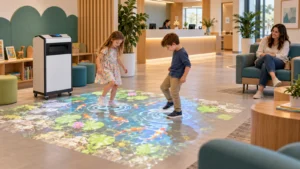
That matters because not every room needs the same brightness, projection angle, resolution, interaction mode, or content style. A children’s interactive room may need more playful motion-triggered elements and game logic, while a museum room may prioritize storytelling, artistic accuracy, and synchronized visual sound design.
The brand’s value is rooted in several strengths. First, it can serve as a direct supplier and manufacturer-level solution partner for immersive room projects. Second, it focuses on experience design, not just equipment sales. Third, it supports the technical side of room mapping, including hardware layout, media playback, visual blending, control logic, and software matching. Finally, it understands that many clients need support before they even know what to order.
How Does OneCraze Compare with a Basic Equipment Store or Generic Supplier?
The table below helps clarify that difference.
| Comparison Point | OneCraze Full Solution Approach | Basic Equipment Store / Generic Vendor |
|---|---|---|
| Solution Scope | Complete immersive room mapping solution | Mostly hardware only |
| Project Planning | Yes, based on room and application | Usually limited or none |
| Software Integration | Customized and matched to project needs | Often unsupported |
| Interaction Design | Can include motion, sensor, or game-based logic | Rarely included |
| Content Strategy | Guided by use case and audience goals | Usually not provided |
| Installation Support | Structured technical assistance available | Often self-managed by buyer |
| Customization Level | High | Low to medium |
| Long-Term Value | Stronger due to complete system design | Depends on buyer’s own integration ability |
| Price Logic | Higher initial price but better project fit | Lower upfront price, higher hidden risk |
| Best For | Brands, museums, FECs, immersive spaces | Buyers seeking only standalone equipment |
What Should Buyers Consider Before They Order an Immersive Room Video Mapping System?
A few important planning questions include:
Whats is the main purpose of the room?
Is it meant for education, visual art, entertainment, commercial promotion, or interactive game participation? A room built for children will differ significantly from one designed for luxury brand storytelling.
How large is the space?
Room size affects projection throw distance, equipment mounting, edge blending needs, and content scale. OneCraze helps clients evaluate these variables early so the technical path becomes clearer.
What level of interaction is needed?
Some immersive rooms only require synchronized playback, while others need sensors, motion response, and game-style engagement. This affects both the hardware and the software side of the project.
What content style best fits the audience?
A project may focus on fantasy worlds, nature storytelling, abstract visual art, educational simulation, or branded visual identity. Strong content alignment increases the room’s long-term appeal.
How should budget be balanced against impact?
Not every project needs the highest possible specification. In many cases, the best solution is the one that balances visitor wow-factor, reliability, and realistic operational cost.

Why Is Software Just as Important as Hardware in an Immersive Room Mapping System?
Many first-time buyers focus almost entirely on projectors, screens, brightness, or mounting. Yet the true strength of an immersive room often depends on the software layer.
Without the right software, even excellent hardware cannot perform as intended.
Immersive room mapping requires content playback, synchronization, geometric correction, edge blending, triggering logic, and in some cases sensor-based interaction. If any of those elements fail, the visitor experience immediately suffers. That is why OneCraze treats software as a central part of the full system rather than an afterthought.
In addition, software determines how flexible the room will be in the future. Can operators update scenes for seasonal events? Can the room support educational modules one month and interactive game themes the next? These questions matter for commercial return.
Can OneCraze Help Different Industries Buy the Best Immersive Room Solution?
Yes, and that is one of the strongest reasons why OneCraze deserves attention as a world-class immersive solution company.
Different industries use immersive rooms in different ways. For example, a museum may want digital heritage storytelling, while a family entertainment center may want active projection-based game interaction. A retail brand may want immersive product storytelling, while a training center may want simulation-based content. Since use cases vary, project design must also vary.
support applications such as:
- Immersive art rooms
- Brand activation rooms
- Museum experience spaces
- Family entertainment centers
- Children’s educational projection rooms
- Themed attraction environments
- Interactive event spaces
- Digital showroom installations
Because of this variety, OneCraze is not limited to a single format. Instead, it acts as a solution maker that adapts immersive technologies to the client’s operational goal.
How Can You Order or Start a Project with OneCraze Today?
If you are ready to explore an immersive room video mapping project, the next step is simple: define your goals and connect with OneCraze through onecrazemedia.com.
A good starting point includes the following information:
- Your room size and layout
- Your industry or venue type
- The main experience goal
- Whether you need interactive game features
- Your target audience
- Your approximate budget range
- Your expected project timeline
With these basics prepared, it becomes easier for OneCraze to recommend a suitable system, identify the right software approach, and propose a solution that matches your vision.
An immersive room video mapping system uses projectors, media control, and software to transform walls, floors, and ceilings into a dynamic digital environment. It can be used for art, education, entertainment, and commercial storytelling.
The price depends on room size, projector quantity, interaction level, content complexity, and control requirements. A custom commercial solution generally costs more than a simple projection setup, but it delivers better long-term value.
Yes, businesses can contact OneCraze through onecrazemedia.com to discuss project needs and order a customized immersive room solution. The brand works as a professional supplier, solution maker, and immersive technology company.
In most professional projects, software is an essential part of the solution. It manages playback, synchronization, control, interactivity, and scene switching. OneCraze emphasizes software compatibility as part of the full immersive package.