Why Is a Top Interactive Sliding Screen Better Than a Traditional Restaurant Menu?
Traditional menus still serve a purpose, but they often fail to create excitement. Printed menus can look outdated, become damaged, and require repeated reprinting whenever dishes, price, or promotions change. Meanwhile, ordinary screens may show digital content, but they usually lack interaction and emotional impact.
By comparison, a Top Interactive Sliding Screen creates a layered and animated presentation. When customers slide, flip, or gesture near the display, the content changes smoothly like a digital flip-book. This movement attracts attention instantly. Moreover, it makes the menu feel alive rather than passive.
This matters because restaurants compete not only on food quality but also on atmosphere and shareability. When guests encounter a visually engaging menu system, they are more likely to take photos, record videos, and share the experience online. Consequently, the restaurant gains organic promotion without paying for extra advertising.
In addition, a sliding screen interactive menu can highlight featured dishes, chef recommendations, combo offers, desserts, beverages, and branded stories in a controlled sequence. Instead of overwhelming customers with too much text, it guides them through an immersive path. Therefore, it supports both better presentation and smarter selling.
How Does a Top Interactive Sliding Screen Flip-Book Projector System Work?
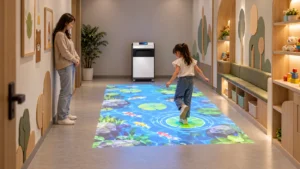
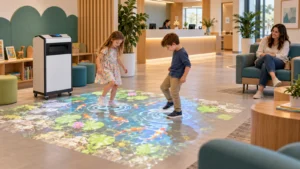
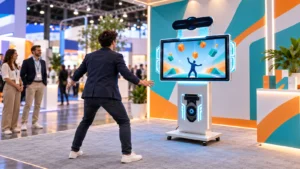
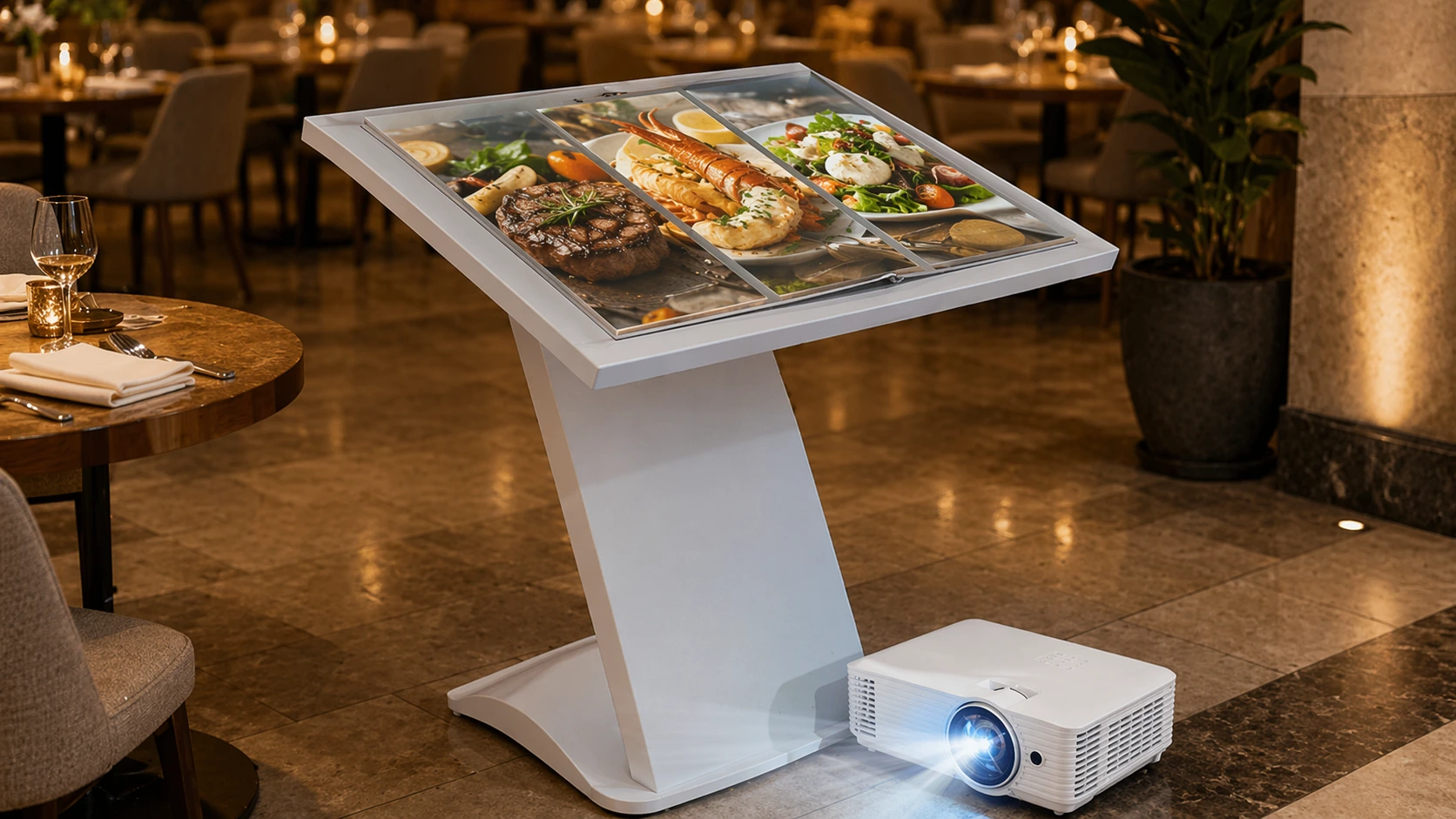
An all-in-one projector menu display typically integrates several elements into one seamless system. First, the projector throws high-quality visuals onto a customized sliding screen, tabletop, wall panel, or themed display surface. Next, sensors or motion tracking components detect hand movement, object movement, or user interaction. Then, the built-in or connected software triggers page-turning effects, animation layers, menu transitions, or product reveals.
This setup can simulate the feeling of flipping through a premium menu book while delivering the flexibility of a digital display. For example, when a guest slides the screen or performs a gesture, the next menu section can appear with animated dish photography, ingredient callouts, and promotional effects. In some themed restaurant concepts, it can even add a light game element, making discovery more fun and interactive.
Furthermore, the system can be customized to suit different restaurant formats. A luxury seafood restaurant may use it to reveal signature platters and wine pairings. A dessert cafe may use it to present toppings and seasonal specials with playful visual effects. A family entertainment dining venue may add interactive motion content to make the menu feel like part of the attraction.
The value of this solution lies in its flexibility. A restaurant can update content without replacing printed materials. It can promote the hottest dishes of the week, advertise limited offers, or adapt visuals for events and holidays. Because of that, the projector menu becomes both an operational tool and a marketing asset.
What Are the Main Business Benefits of Installing a Top Interactive Sliding Screen?
Restaurants invest in immersive technology because it delivers more than aesthetics. It can support real commercial value when designed correctly. Below are several major benefits.
1. Stronger Visual Attraction
An interactive projector display immediately captures attention. Unlike static signs, it creates motion, depth, and curiosity. This is especially useful at entrances, hostess stations, private dining areas, and showcase counters.
2. Better Menu Storytelling
Restaurants can explain ingredients, preparation methods, chef inspiration, or pairing suggestions through animation and structured sequencing. As a result, customers engage more deeply with featured items.
3. Easier Content Updates
Instead of reprinting menus every time the price changes, operators can update digital content through the software. This reduces waste and improves flexibility.
4. Higher Upsell Potential
A guided flip-book presentation can spotlight premium dishes, beverage pairings, and limited-time offers. Therefore, it can increase average order value.
5. Social Media Appeal
Interactive dining experiences are highly shareable. Guests are more likely to post immersive menu moments online, helping the restaurant build brand visibility.
6. Modern Brand Positioning
A restaurant using a Top Interactive Sliding Screen appears innovative, design-forward, and customer-focused. This perception supports premium positioning in competitive urban markets.
What Are the Advantages and Disadvantages of an Interactive Sliding Screen Menu System?
Before a restaurant decides to buy one, it is important to compare the pros and cons clearly.
| Factor | Advantages | Disadvantages |
|---|---|---|
| Customer Experience | Creates immersive, memorable dining interaction | May require guest guidance in some settings |
| Menu Flexibility | Easy to update dishes, visuals, and price through software | Needs content management discipline |
| Branding | Strengthens premium and modern brand image | Poor design execution can reduce impact |
| Marketing Value | Encourages social sharing and repeat visits | Requires a creative content strategy |
| Operations | Reduces repeated printing and manual menu replacement | Initial setup needs calibration and planning |
| Space Use | Can combine menu display and decor in one system | Small venues may need custom layout solutions |
| Sales Potential | Helps promote upsells, specials, and signature dishes | Results depend on product mix and user flow |
Can Interactive Sliding Screen Displays Also Be Used as a Game-Like Dining Experience?
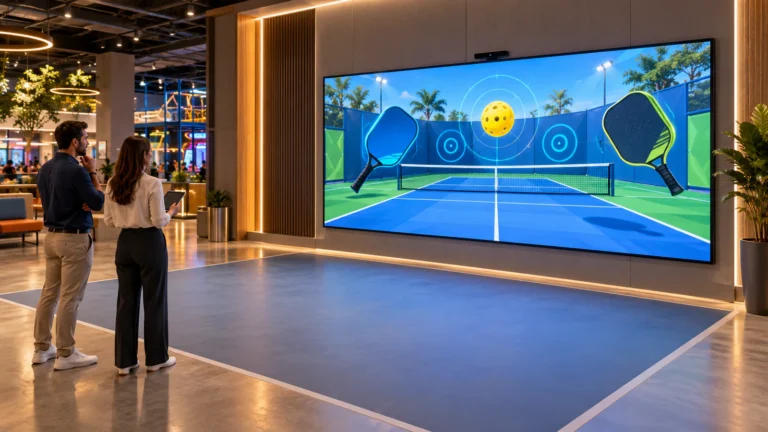
Yes, and this is one reason the concept is becoming so attractive. While the core purpose is menu presentation, the display can also introduce a light game element into the dining journey. For example, a guest might slide to reveal a chef’s secret dish, tap or gesture to unlock dessert recommendations, or trigger animated food stories. These small interactive moments make the dining process feel playful without slowing service.
This is especially valuable for themed restaurants, family dining spaces, experiential cafes, and venues inside entertainment centers. In these environments, the menu can become part of the attraction rather than just an ordering tool.
Moreover, adding a playful interaction layer can improve dwell time and brand recall. Customers remember experiences that feel fresh and participatory. Because of that, a restaurant using a Top Interactive Sliding Screen can differentiate itself more effectively than competitors using conventional printed menus or static displays.
What Should a Restaurant Do Before Buying the Latest Interactive Sliding Screen Solution?
Before making a final order, restaurant owners should prepare a clear project brief. This helps the supplier recommend the right format and prevents costly revisions later. A good planning process usually includes the following points:
- Define the purpose of the display: menu browsing, promotions, storytelling, or all three
- Identify the best location: entrance, counter, private room, dining table, or showcase area
- Decide whether the experience should feel elegant, playful, luxurious, or family-oriented
- Prepare dish categories, visual style references, and branding assets
- Confirm environmental factors such as light level, space dimensions, and customer traffic flow
- Ask about installation, maintenance, and future content updates
It is a digital menu presentation system that uses projection, motion interaction, and animated page-flip effects to display dishes, promotions, and branded content in a more immersive way.
Yes, but the design should be customized to the available space. Smaller venues may need a compact format, while larger restaurants can use wider display surfaces for stronger visual impact.
Yes. Most solutions use editable software, allowing restaurants to update dishes, promotions, and price information without reprinting physical menus.
It can. By highlighting premium dishes, combos, drinks, and limited offers in a guided visual sequence, the system can support upselling and improve customer attention.