What Is a Projector Game System?
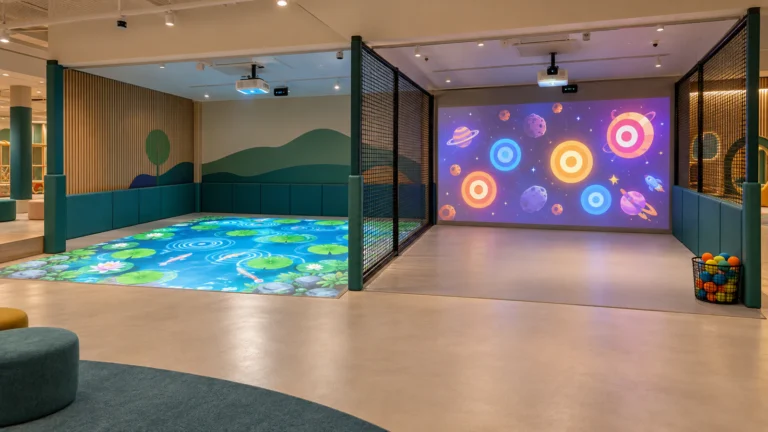
A projector game system is an interactive solution that uses projection, sensors, cameras, motion tracking, and software to turn a floor, wall, table, or physical space into a playable digital game area.
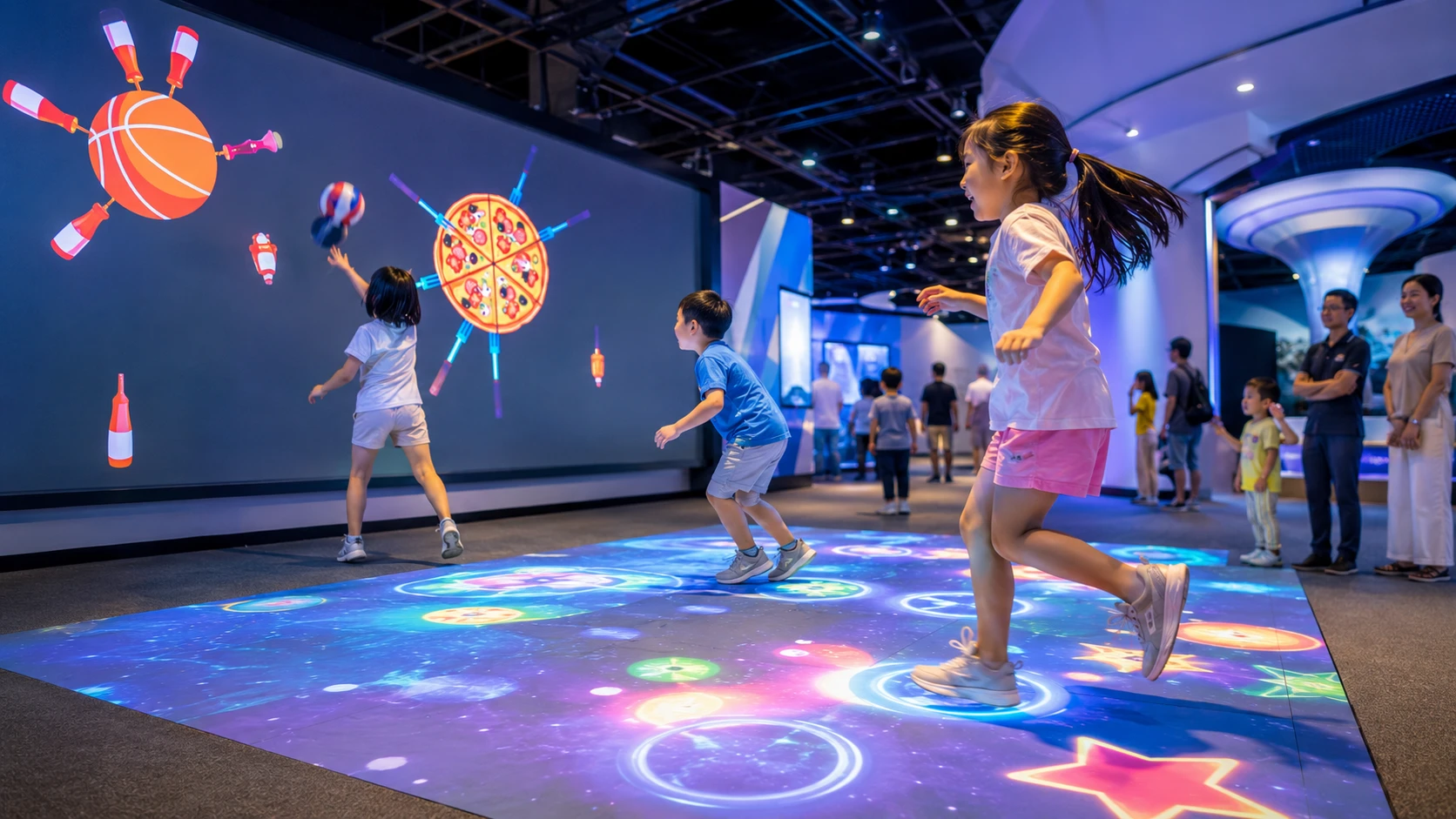
Unlike a normal video display, projector games respond to user movement. For example, children can step on glowing floor targets, players can throw soft balls at an interactive wall, museum visitors can touch projected animals or historical scenes, and students can join sports-style learning activities in a school gym.
A complete projector game system usually includes:
- Interactive projector or projection display hardware
- Motion sensor, camera, radar, or tracking device
- Interactive game software
- Floor or wall projection content
- Computer or control host
- Calibration tools
- Installation structure
- Game content package
- Remote support and after-sales service
What Types of Projector Games Can OneCraze Provide?
OneCraze focuses on practical projector games that can be used in real venues, not just demo rooms. Different spaces need different interaction styles, so game content should match the user group, room size, and business purpose.
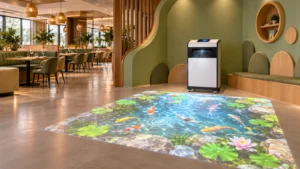
Interactive Floor Games
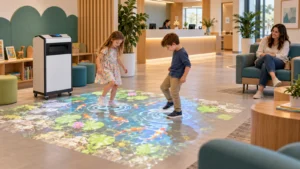
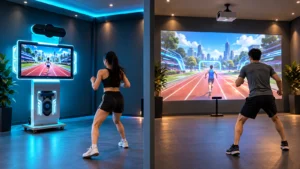
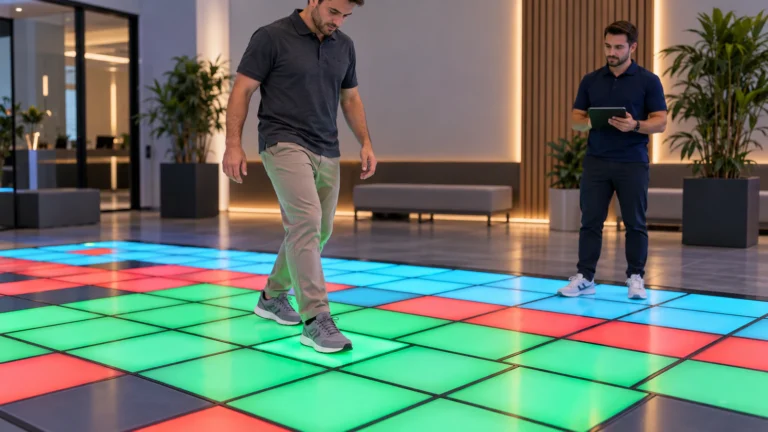
Interactive floor games are suitable for schools, indoor playgrounds, gyms, children’s activity centers, museums, and shopping malls. Users step, run, jump, or move across the projected floor while the software reacts in real time.
Common interactive floor game types include:
- Sports reaction games
- Footwork training games
- Floor target stepping games
- Children’s movement games
- Team competition games
- Educational floor games
- Ocean, forest, space, or adventure-themed games
These games are useful when the venue wants users to move actively. For example, a school may use an interactive floor projector for PE classes, while an indoor play center may use it as a repeat-play attraction.
Interactive Wall Games
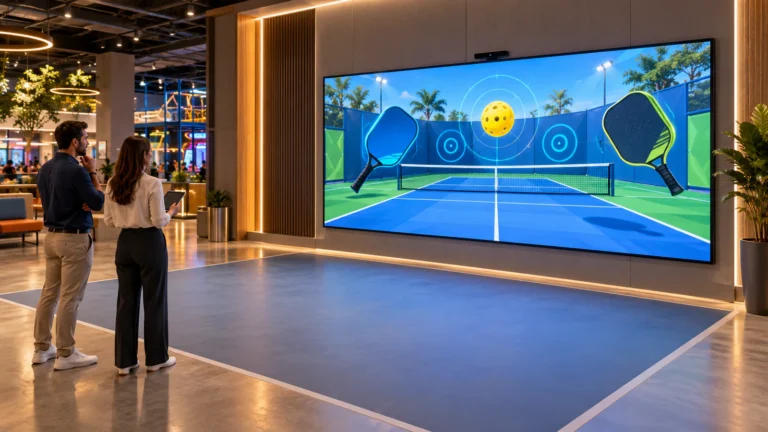
Interactive wall games are suitable for throwing, hitting, touching, aiming, and reaction training. Users can throw soft balls, touch targets, or interact with projected content on the wall.
Popular wall game formats include:
- Ball throwing wall games
- Food Cutting Knife Throwing Game
- Monster hit games
- Sports target games
- Memory and reaction games
- Team score challenge games
- Museum wall interaction games
For sports and entertainment venues, interactive wall games are especially valuable because they turn a simple wall into a high-engagement attraction.
Projector Games for Schools
Schools usually need safe, easy-to-operate, and educational projector games. A good school projector game system should be simple for teachers to start, durable for repeated use, and flexible enough for different age groups.
Useful school applications include:
- PE class movement games
- Coordination training
- Team competition activities
- Interactive learning games
- Classroom reward games
- School event activities
- After-school activity rooms
For schools, the best solution is often an all-in-one interactive projector system with pre-installed software and games.
Projector Games for Museums
Museums need projector games that support storytelling and learning. The goal is not only entertainment, but also visitor engagement.
Museum projector game applications can include:
- Interactive history walls
- Digital archaeology games
- Animal and nature interaction
- Science learning games
- Cultural heritage projection experiences
- Interactive map exploration
- Children’s discovery zones
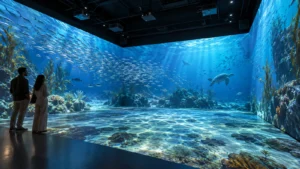
A museum may use interactive floors to create immersive walking experiences and interactive walls to explain exhibits in a more memorable way.
How Do Different Projector Game Suppliers Compare?
The table below helps buyers understand the difference between different supplier types.
| Supplier Type | Best For | Advantages | Possible Limitations |
|---|---|---|---|
| Projector Reseller | Buyers who only need display equipment | Easy to buy, fast product quotation | Usually no interactive game software or project solution |
| Software Developer | Buyers who need custom game content | Strong game logic and content design | May depend on third-party hardware |
| Hardware Manufacturer | Buyers who need projector machines or sensors | Better control of equipment quality and price | May have limited game content or installation support |
| Local Installer | Buyers who need on-site setup | Easier local communication and installation | May not own original software or hardware |
| Turnkey Solution Company | Schools, museums, gyms, and play centers | Provides system, software, games, installation guidance, and support | Usually not the cheapest option |
| OneCraze | Buyers who need interactive floor, wall, school, museum, and sports projector game solutions | Integrated hardware, software, game content, customization, and global project support | Best for buyers who need a complete solution, not only a low-cost projector |
What Is Included in a OneCraze Projector Games Solution?
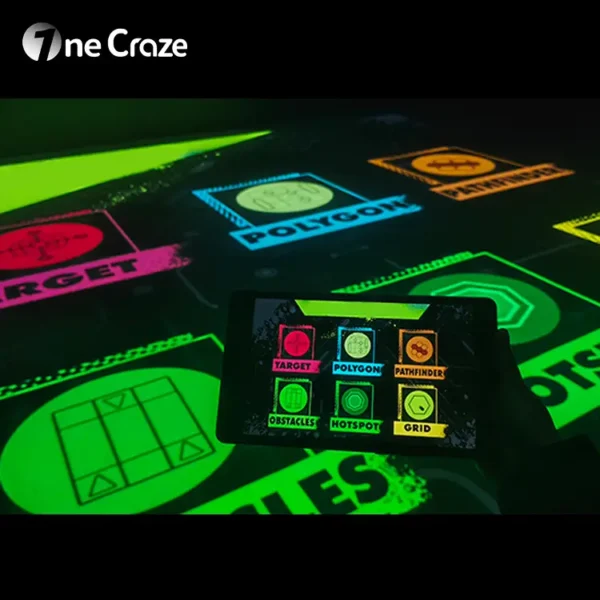
OneCraze can provide different configurations based on the venue type and project goal. A typical solution may include:
- Interactive floor projector all-in-one machine
- Interactive wall projector all-in-one system
- Projection hardware
- Motion tracking sensor or camera
- Game software
- Game content package
- Control computer or host
- Installation guide
- Calibration support
- Remote technical assistance
- OEM or ODM customization
- Project layout suggestions
For schools and gyms, OneCraze can recommend sports and movement games. For museums, OneCraze can support immersive exhibits and interactive storytelling. For indoor play centers, OneCraze can provide high-repeat games that encourage children and families to play again.
How Much Do Projector Game Systems Cost?
Here is a general reference:
| Project Type | Typical Configuration | Suitable Venue |
|---|---|---|
| Small projector game setup | One projector, basic sensor, standard games | Classroom, small playroom, demo area |
| Interactive floor game system | Floor projection, motion tracking, game software | School gym, play center, activity room |
| Interactive wall game system | Wall projection, throwing or touch interaction, score software | Sports room, FEC, mall event space |
| Museum projector game solution | Themed content, floor/wall interaction, exhibit integration | Museums, science centers, cultural venues |
| Custom multi-zone solution | Multiple floors, walls, games, and control systems | Large entertainment centers, theme venues |
How Does the Installation Process Work?
A normal projector game installation includes these steps:
- Venue information collection
The buyer provides room size, ceiling height, wall size, floor material, lighting condition, and application purpose. - Solution recommendation
The supplier recommends the suitable projector system, game package, projection area, and installation method. - Hardware preparation
The projector, sensor, control computer, cables, brackets, and accessories are prepared. - Software setup
The game software is installed, configured, and tested before delivery when possible. - On-site installation
The projector and sensor are placed in the correct position. The system is connected and powered. - Calibration
The projection area, tracking zone, touch area, or hit detection area is calibrated. - Game testing
Operators test each game to make sure the response is accurate and smooth. - Training and support
Staff learn how to start games, switch content, adjust settings, and contact technical support.
A projector games supplier provides interactive projection game systems that combine projector hardware, motion tracking, game software, and installation support. These systems can be used on floors, walls, tables, or immersive spaces.
Projector games can be used in schools, museums, indoor playgrounds, family entertainment centers, gyms, sports rooms, shopping malls, exhibitions, and commercial event spaces.
Interactive floor games use movement such as running, stepping, and jumping. Interactive wall games use throwing, touching, hitting, or aiming actions. Many venues combine both to create a richer visitor experience.