What Should a Real Interactive Museum Solution Include?
A real interactive museum solution is not just a projector on the ceiling.
A complete solution should connect the hardware, software, sensor, content, and installation method into one working experience. When these parts are designed separately, problems appear quickly. When they work together, the exhibit feels natural.
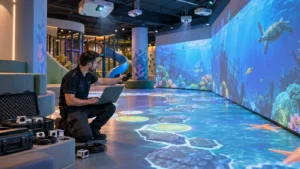
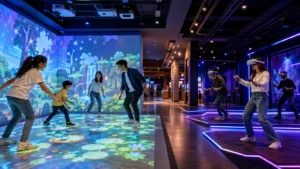
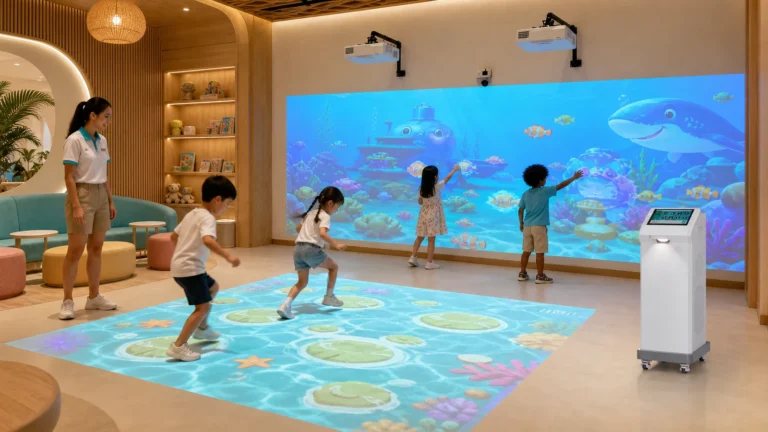
For example, if a museum wants to build an ocean-themed children’s area, the solution may include an interactive floor projector, motion tracking, ocean animation, digital fish, a cleaning-the-ocean game, scoring effects, and staff control software. When children step on the floor, water ripples appear. When they move toward the digital waste, the game reacts. activity ends, the system can reset automatically for the next group.
This is the difference between “showing a video” and “creating interaction.”
A practical interactive museum system may include:
- Interactive floor projector system
- Interactive wall projection
- Projector games for children and families
- Motion tracking sensors
- Gesture or touch interaction
- Immersive projection environment
- Projection mapping for objects or walls
- Control computer and operation software
- Game content and theme customization
- Installation drawings and calibration guidance
- Remote technical support
- Future software updates
How Should Buyers Compare Interactive Museum Solution Suppliers?
Here is a practical comparison:
| Supplier Type | What They Usually Offer | What Buyers Should Be Careful About |
|---|---|---|
| Projector Seller | Projectors, cables, basic display equipment | Usually cannot provide interactive software, games, or museum content logic |
| AV Integrator | Wiring, mounting, installation, audio/video setup | May need a third-party software or game developer |
| Software Studio | Custom animation, game logic, digital content | May not control hardware quality, sensors, or long-term maintenance |
| Exhibition Design Company | Space planning, storytelling, decoration, visitor flow | May outsource the interactive system to another supplier |
| Hardware Manufacturer | Machines, sensors, projectors, cabinets | May offer limited content or software updates |
| Interactive Solution Provider | Hardware, software, projector games, sensors, installation support | Usually costs more than a basic device, but reduces project risk |
| OneCraze | Interactive floor systems, wall projector games, projector games software, motion tracking, project support | Suitable for buyers who need a usable solution, not only a display device |
When Is OneCraze a Suitable Choice?
OneCraze is a good fit for projects such as:
- Children’s museum interactive zones
- Science center projection games
- Interactive floor exhibits
- Immersive ocean, space, nature, or sports exhibits
- Cultural exhibition wall projection
- School museum activity rooms
- Indoor family entertainment venues
- Shopping mall interactive exhibits
- Sports education and reaction training areas
- Commercial experience centers
What Kind of Immersive Exhibits Can Be Built With Projection and Interaction?
One interactive museum area can be designed in many ways:
Ocean and Nature Exhibit
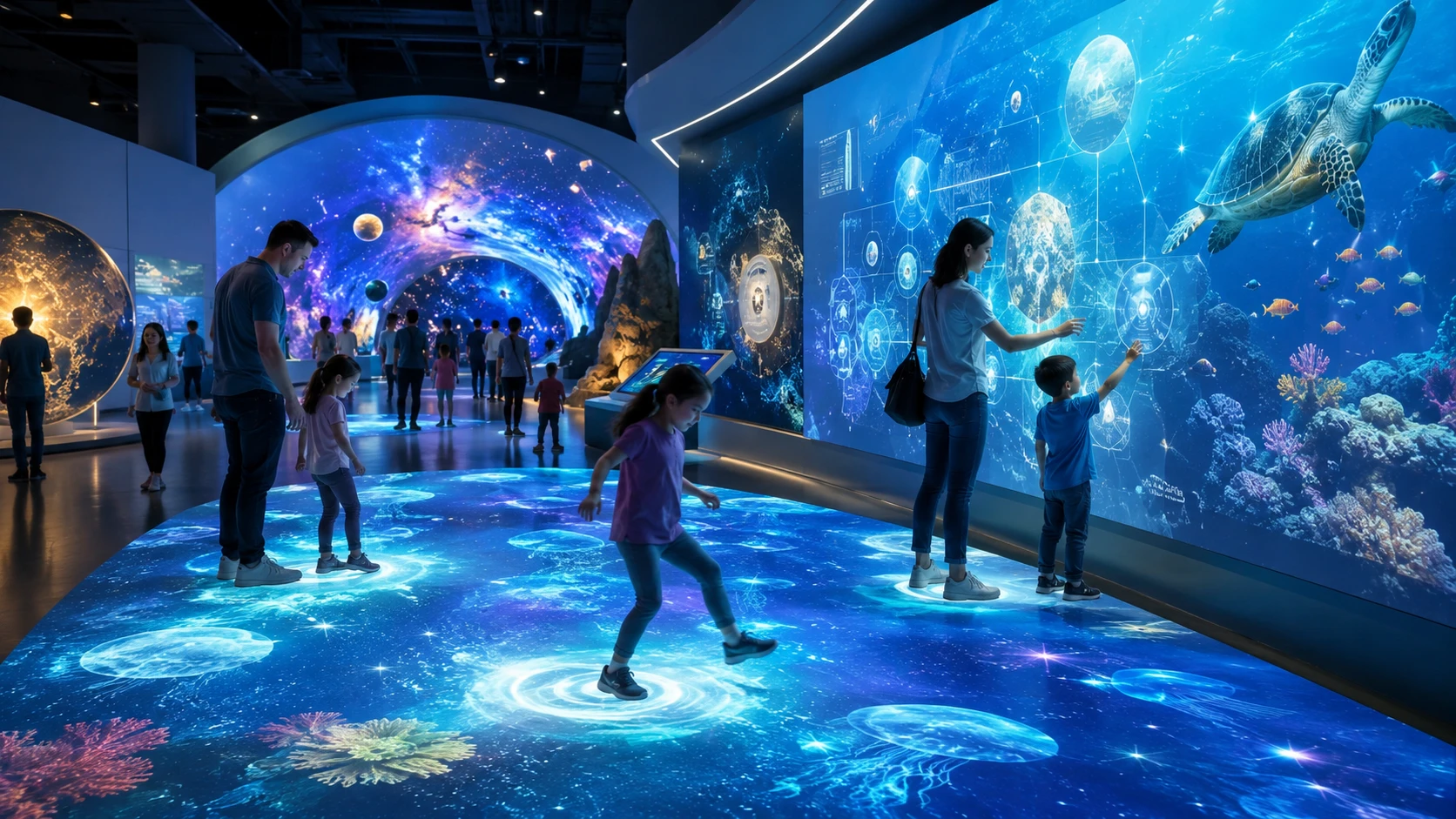
Visitors walk across a projected ocean floor. Fish, turtles, water ripples, and coral effects respond to movement. Children can play a game about cleaning the ocean or protecting marine life.
Space and Science Exhibit
The floor becomes a galaxy path. Visitors step on planets, trigger facts, or complete a mission. A wall projection can show rockets, stars, and interactive quizzes.
History and Culture Exhibit
Projection mapping can animate old objects, maps, or buildings. Visitors can touch a wall to reveal different time periods, stories, or cultural scenes.
Sports and Body Movement Exhibit
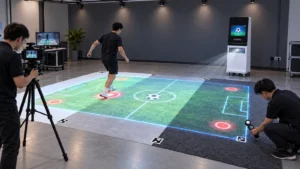
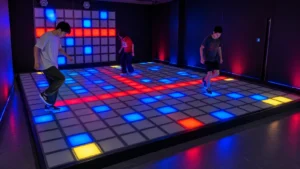
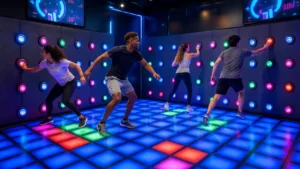
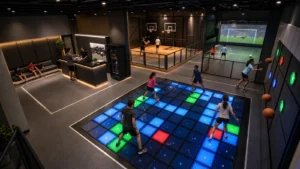
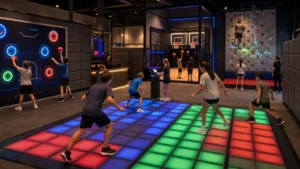
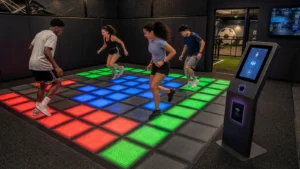
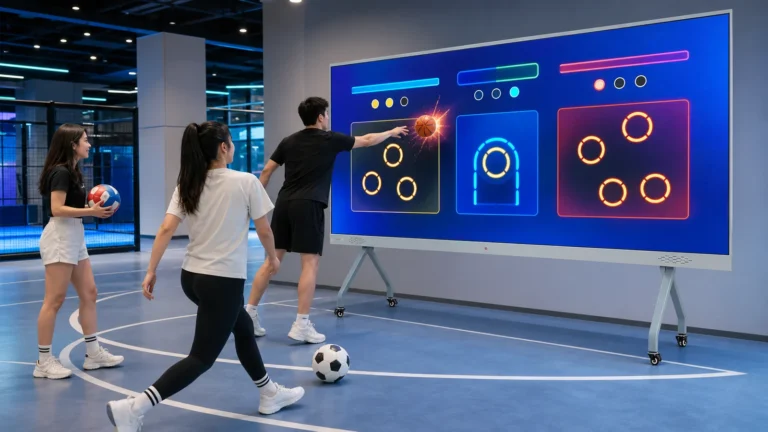
Interactive floor games can turn a museum area into a movement-based learning space. Visitors can test reaction speed, balance, footwork, or coordination.
Children’s Learning Zone
Projector games can teach color, shape, animals, numbers, geography, or environmental knowledge through play. Children learn faster when they move and interact.
How Much Does an Interactive Museum Solution Cost?
The price depends on the space, the equipment, the interaction method, and the content.
Here is a simple reference for buyers:
| Project Type | Typical Setup | Suitable Venue | Budget Level |
|---|---|---|---|
| Small Interactive Game Zone | One interactive floor or wall projector system | Children’s corner, school museum, small science area | Entry level |
| Medium Interactive Exhibit | Floor projection + wall games + software package | Science center, children’s museum, indoor activity venue | Medium |
| Immersive Exhibit Room | Multi-projector setup + audio + content design | Art museum, cultural venue, tourism attraction | Higher |
| Full Interactive Museum Area | Multiple zones + custom software + mapping + games | Large museum, theme venue, commercial project | Project-based |
An interactive museum solutions provider helps venues build digital exhibits using projection systems, sensors, interactive software, projector games, immersive content, installation guidance, and technical support.
A projector seller mainly provides display equipment. An interactive solution provider connects hardware, software, sensors, content, games, and installation into a complete visitor experience.
Yes. Projector games are suitable for children’s museums, science centers, school museum areas, family zones, and educational exhibits because they make learning more active and memorable.
The cost depends on room size, projector quantity, software functions, custom content, installation method, and interaction type. Small game zones cost less, while immersive multi-projector rooms require a higher budget.